


Taiwan: The Epicenter of the AI Revolution
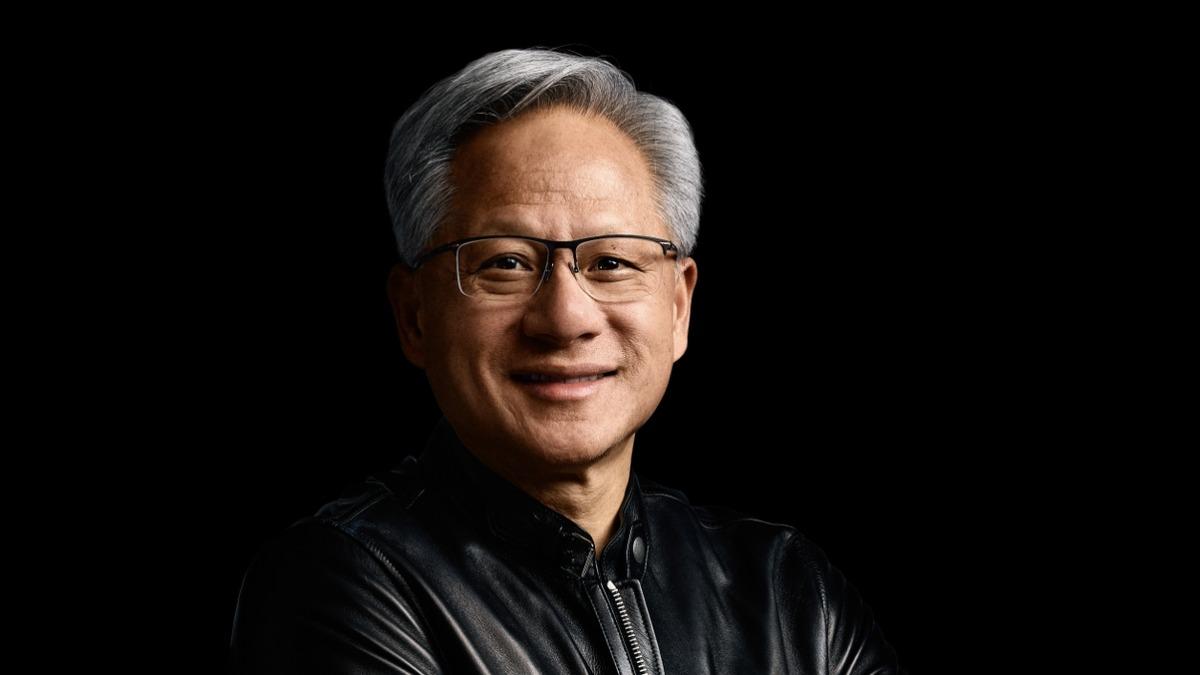
Nvidia CEO and founder Jensen Huang was not exaggerating when he described Taiwan as the epicenter of the AI revolution. Without the island's top electronics contract manufacturers and its uniquely dense ecosystem of suppliers, Nvidia could not have built AI infrastructure at the speed or scale the world is now witnessing.
Speaking in Taipei on May 27 at the launch of Nvidia's new Taiwan headquarters, Huang added that the company will invest roughly US$150 billion a year here, a tenfold increase from just five years ago, and predicted that the island will remain the world's tech manufacturing hub "for a long time."
The reason is straightforward. Each Vera Rubin AI server system, Nvidia's next-generation flagship, contains nearly two million components and requires between 100 and 150 Taiwan ecosystem partners to assemble. Huang called Vera Rubin "potentially the largest product rollout Taiwan's electronics industry has ever seen." It is difficult to imagine any other economy in the world implementing a project of such complexity and scale.
The story starts at the top of the stack. TSMC manufactures essentially every advanced AI accelerator shipping today, including Nvidia's Blackwell and Rubin GPUs, AMD's MI400 series, and a growing roster of custom hyperscaler ASICs, and now expects the global semiconductor industry to cross US$1 trillion in revenue in 2026, four years earlier than it forecast just a year ago. It also produces the advanced CoWoS packaging essential for optimizing AI chip performance and is expanding capacity aggressively to meet rising demand.
Then come the system builders that assemble the servers and racks for the world's data centers and AI factories. Foxconn produces roughly 40% of the world's AI servers and just posted record Q1 2026 revenue of US$66.9 billion. Quanta, Wistron, Inventec, Wiwynn, Compal, and Gigabyte are among the other companies manufacturing servers for hyperscaler, sovereign AI, and enterprise deployments.
The supporting cast is no less critical. Power-and-thermal specialist Delta Electronics just posted a record Q1 of US$5.05 billion at a record 37% gross margin, and is rolling out the 800V HVDC architecture that next-generation racks will depend on. Auras, AVC, Jentech, and Cooler Master are among the companies making great strides in liquid cooling.
Underneath the silicon, Zhen Ding, the world's largest PCB maker by revenue, leads in the high-layer printed circuit boards every AI server depends on. In ABF substrates, the specialized layer that sits directly under each accelerator die, Unimicron is spearheading Taiwan's challenge to Japan's Ibiden, with Nan Ya PCB and Kinsus also entering the space.
Further back, ASE Group, the world's largest OSAT (Outsourced Semiconductor Assembly and Test), and Powertech Technology handle the broader back-end packaging and test across the chip industry, while KYEC, WinWay, and iST run the sophisticated wafer-level and system-level testing that screens every GPU and ASIC before it ships. With the exception of high-bandwidth memory, almost every line on a hyperscaler's bill of materials traces back to a Taiwan-listed name.
Little wonder, then, that others are writing very large checks to be closer to this ecosystem. AMD said last week it would invest more than US$10 billion in Taiwan's AI sector. The capital keeps arriving because the capability is already here, spread across hundreds of companies that have spent decades learning to build things the rest of the world cannot. Calling Taiwan the epicenter of the AI revolution is not flattery. It is a simple statement of fact.