


TSMC sees demand rising at fastest pace in 30 Years
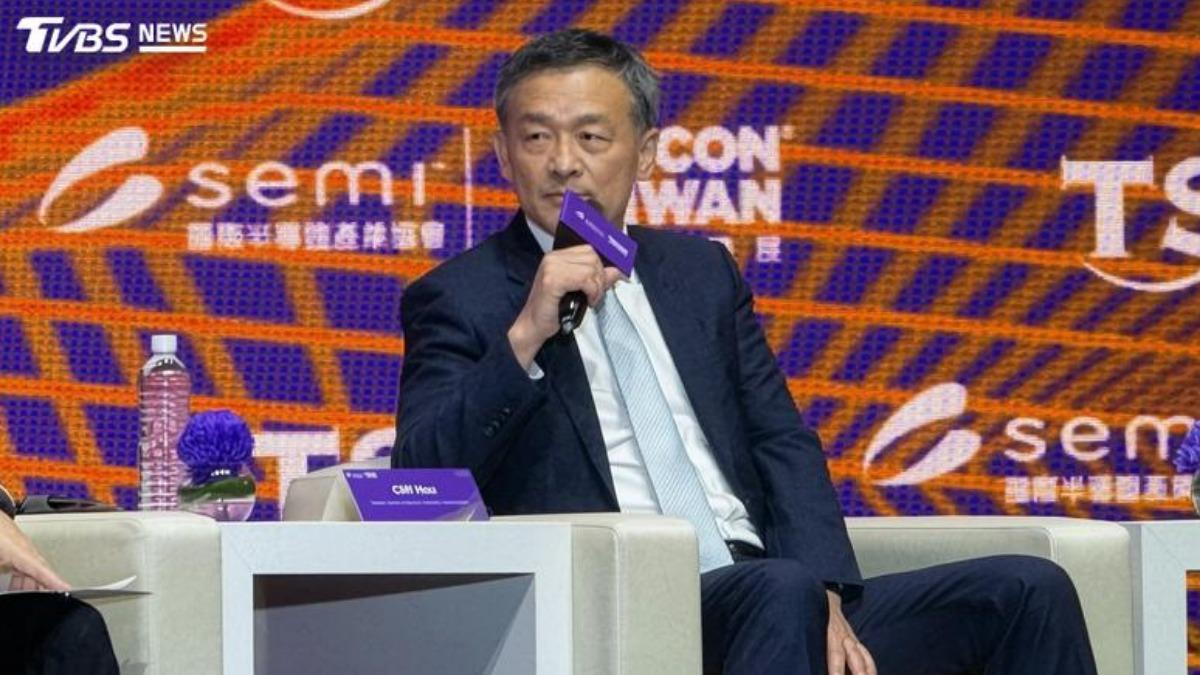
TSMC (台積電) is building nearly 20 fabs in Taiwan and overseas as surging AI demand pushes its equipment procurement estimate to 1.9 times the level projected at the end of last year. Yet capacity and construction labor shortages remain major constraints on expansion, Senior Vice President and Deputy Co-Chief Operating Officer Cliff Hou (侯永清) said on Wednesday (Sept. 2) at SEMICON 2026.
Speaking at the CEO Summit and Ecosystem Executive Summit (大師論壇暨全球生態系高峰會), Hou said capacity is TSMC's biggest challenge. Compared with the past 30 years, the company has never seen demand rise so quickly or change so frequently. At the end of last year, TSMC set this year's equipment procurement estimate at a baseline of 1.0. After just one quarter, that figure rose to 1.5 times the original estimate as customer demand increased, before climbing to 1.9 times by July.
"How can the entire industry ecosystem respond to nearly twice the demand in just six months? That is the challenge we are actually facing today," Hou said. AI is creating intense demand for both computing power and energy efficiency, accelerating requirements for advanced process technologies, advanced packaging and overall system performance, he said.
Nearly 20 Fabs Under Construction
TSMC currently has 13 fabs under construction in Taiwan and another five to six overseas, bringing the total close to 20. Hou said TSMC has previously built about four or five fabs at a time, compared with nearly 20 now, but still faces severe capacity constraints.
Construction labor has also emerged as one of the most immediate bottlenecks as construction work depends heavily on local labor, shortages are affecting both overseas projects, including Arizona, and projects in Taiwan.
The challenge continues after construction is completed, when equipment must be installed. With equipment requirements rising to nearly twice their previous level within six months, Hou said that no supplier can handle such a rapid increase, making the issue a challenge for the entire semiconductor ecosystem rather than any single company.
TSMC is also using AI extensively at existing fabs to improve productivity and increase wafer output from current capacity. Hou cautioned, however, that AI is a double-edged sword. As agentic AI becomes more capable, the industry will need to balance productivity gains with intellectual property protection as adoption accelerates.