



Taiwan dollar hits 3-year high amid central bank action
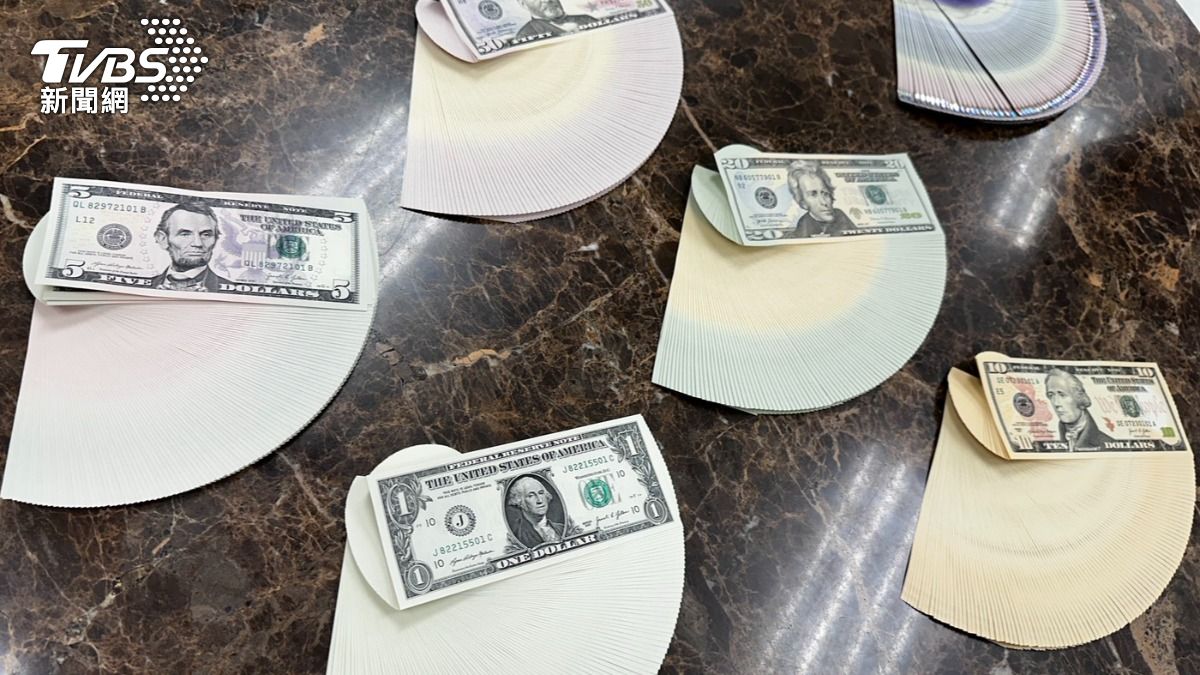
TAIPEI (TVBS News) — The New Taiwan dollar (NT$) climbed to its strongest position in three years on Thursday (June 26), opening at 29.360 against the U.S. dollar (US$) on the Taipei Foreign Exchange Market (台北外匯市場), Taiwan's primary currency trading platform. The currency continued its upward trajectory, strengthening further to NT$29.231 by mid-morning trading. Financial analysts attribute this appreciation to diminishing investor demand for safe-haven assets following the announcement of a temporary ceasefire agreement between Israel and Iran, a geopolitical development that has broadly weakened the U.S. dollar while simultaneously lifting the value of currencies across Asia.
Financial market observers are monitoring the Taiwan Central Bank (CBC, 中央銀行), the island's monetary authority, for signs of intervention as the local currency continues to strengthen against the dollar. A report published by United Daily News (UDN, 聯合報), one of Taiwan's major Chinese-language newspapers, cited unnamed sources claiming the central bank has already taken steps to moderate the pace of appreciation by cutting the maximum daily foreign exchange sales allowance for major corporations from US$20 million to US$10 million, effectively halving their market influence.
According to the report, monetary officials have also advised these large corporate entities to delay their market participation until after 10 a.m., a tactical recommendation designed to prevent concentrated buying pressure on the New Taiwan dollar during the critical market opening period. The currency's recent breakthrough of the psychologically significant 30 per dollar threshold has created mounting challenges for central bankers attempting to defend the 29.5 exchange rate level. Currency specialists view these timing restrictions as a strategic intervention by the central bank intended to disrupt momentum-driven trading patterns and temper market expectations of continued rapid appreciation. ◼