



Taiwan coffee farms cut water use 40% with smart technology
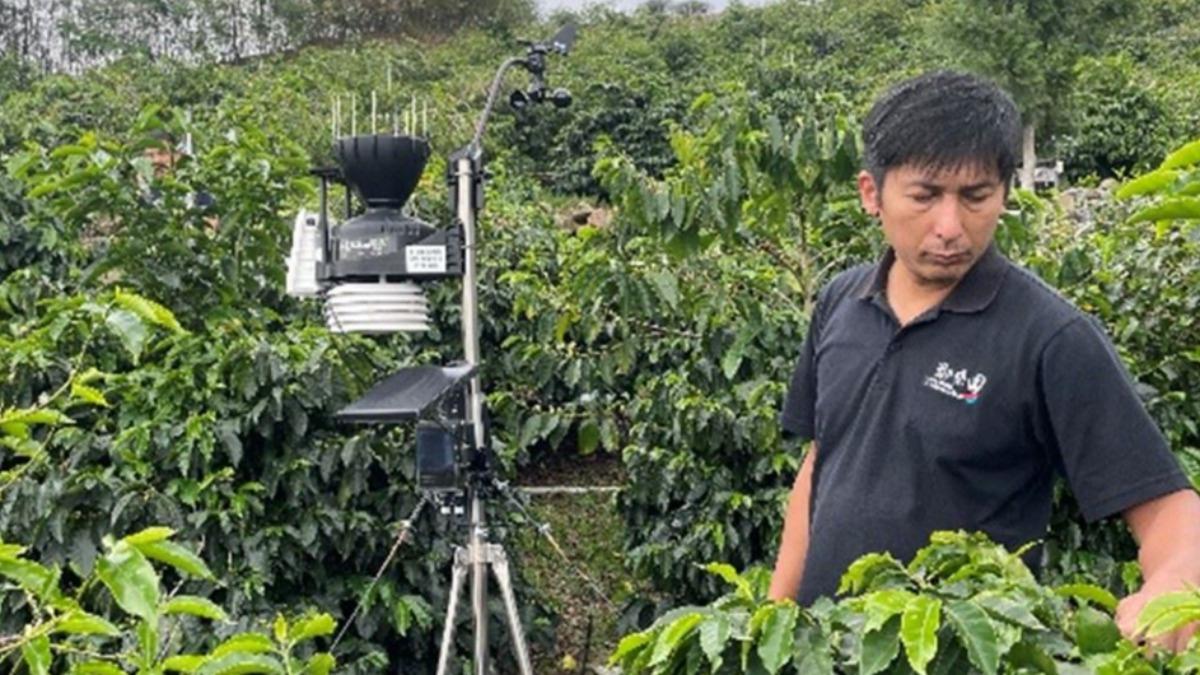
TAIPEI (TVBS News) — Taiwan's burgeoning specialty coffee industry has received a technological boost as the Chiayi County Government (嘉義縣政府), a local administration in the mountainous central-southern region of Taiwan, announced remarkable progress in its smart agriculture initiative aimed at elevating coffee quality. In a press release issued Thursday (June 26), county officials revealed the winners of the prestigious "2025 Alishan Coffee Estate Elite Exchange Match" (2025阿里山莊園咖啡精英交流賽), a competition featuring coffee producers from the renowned Alishan mountain area, with top honors going to Zouzhouyuan Specialty Coffee (鄒築園) and Zhuo-Wu CAF'E (卓武山莊園), two estates that have successfully implemented advanced agricultural technology to enhance their coffee production.
According to Fang Cheng-lun (方政倫), the proprietor of Zouzhouyuan Specialty Coffee, implementing advanced digital monitoring systems throughout his plantation has dramatically transformed his operation, cutting the time required for field inspections in half while reducing water consumption by 30% to 40%. These efficiency improvements have translated directly into substantial gains in both harvest volume and bean quality, which Fang estimates have increased by 10% to 20%. Fellow award recipient Hsu Ting-Ye (許定燁), who operates Zhuo-Wu CAF'E, credited his success to technology that enables precise control of crucial growing variables, explaining that smartphone-based management of irrigation cycles and fertilization timing has significantly reduced both plant disease incidence and inconsistencies caused by human judgment, resulting in coffee with more reliable flavor profiles.
The Chiayi County Agricultural Department (農業處), the local government agency responsible for farming development and regulation, highlighted the dual environmental and economic benefits of smart agricultural practices, noting that these technologies conserve both human labor and increasingly precious water resources while enabling coffee producers to dedicate more attention to critical post-harvest processing techniques that significantly influence final cup quality. County agricultural officials indicated plans to analyze data from successful implementations to develop standardized operational frameworks and best practice guidelines for wider adoption across the region. The initiative, which began in 2022, has included government subsidies for coffee farmers to install advanced monitoring equipment that provides real-time environmental data directly to growers, a program whose positive outcomes were emphasized in the county's announcement. ◼