


First Taipei mayoral debate produces sharp exchanges, no winner
TAIPEI (TVBS News) — Taipei's first mayoral debate Saturday (Oct. 31) produced a two-hour clash between competing definitions of leadership. Mayor Chiang Wan-an (蔣萬安) pointed to completed projects and corporate investments. Challenger Puma Shen (沈伯洋) pointed to empty committee seats and rushed announcements. With 28 days until the Nov. 28 election, here is what happened and what it means.
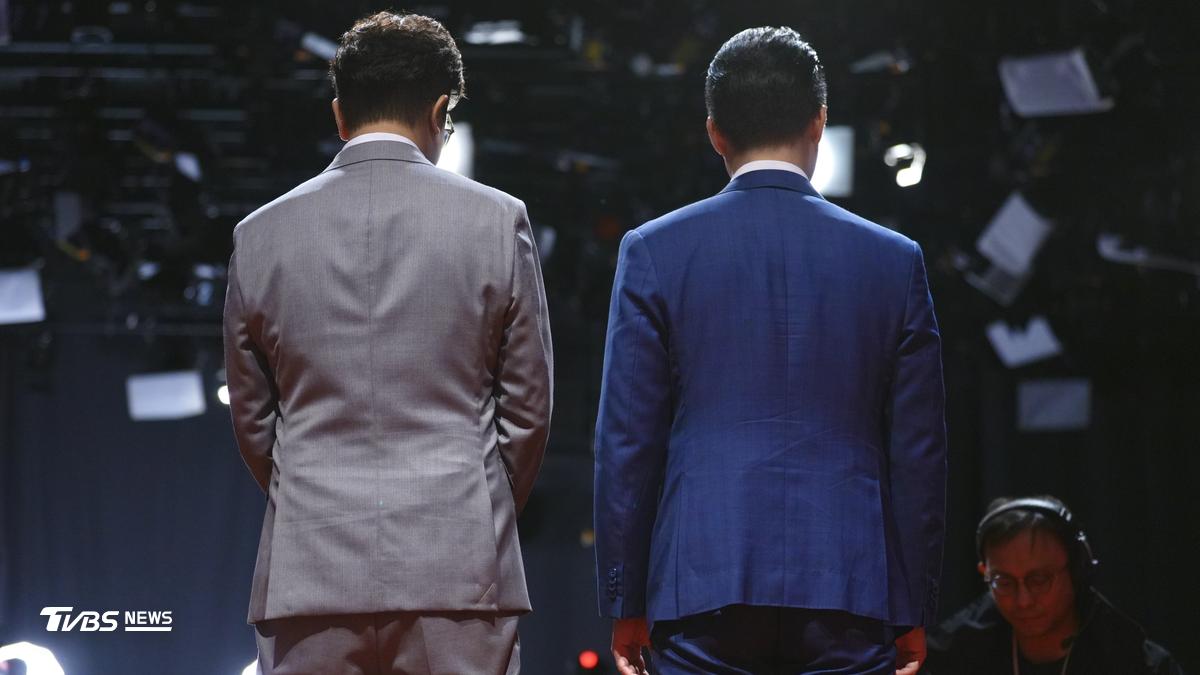
The debate, co-hosted by TVBS and SET Television (三立電視), featured sharp exchanges on housing policy, child abuse prevention, school nutrition and the controversial proposal to relocate Songshan Airport (松山機場) to make way for an AI technology hub.
What was the format and what were the key disputes?
The debate at TVBS studios featured five stages: opening policy statements, two rounds of cross-examination, media questions and closing remarks. Only the top two polling candidates were invited, with four other registered candidates excluded. Shen, the Democratic Progressive Party (DPP, 民進黨) nominee, drew the lot to speak first; Chiang, the Kuomintang (KMT, 國民黨) incumbent, went first in closing remarks.
Cross-examination covered tree preservation, meal program quality and whether to continue the Taipei-Shanghai Twin City Forum (雙城論壇) — a municipal exchange that critics call a vehicle for Chinese influence and supporters defend as pragmatic engagement.
Chiang listed achievements including the Taipei Dome (大巨蛋) completion, Nvidia's decision to locate its first overseas headquarters in the city and the "Fresh Milk for Every Student" program. "What I promised four years ago, I delivered four years later," Chiang said, characterizing his opponent as offering "empty slogans" without concrete methods.
Shen, a legislator who specializes in disinformation research, outlined three first-100-day priorities: replanting trees cut under the current administration, addressing child abuse cases and improving school meal nutrition. "I believe in citizen-ism," Shen said, using a term he coined to describe putting residents' needs before political considerations. "I believe this city has citizens first, then a mayor."
How did the candidates attack each other?
Chiang repeatedly opened his questions with the same phrase: "Legislator Shen, you really don't understand municipal governance." The line drew social media criticism for its repetitive use. "Every question starts with him putting down his opponent; it's uncomfortable to listen to," one user wrote on Threads, according to Liberty Times (自由時報). But Chiang also offered a vision of servant leadership: "The mayor's greatest responsibility is to build a stage that carries every citizen's dreams, rather than standing on that stage himself."
Shen attacked Chiang's participation in committee meetings, citing rates as low as 7 percent for panels overseeing childcare and housing development. Chiang defended his approach by citing "delegated responsibility," saying he convened emergency task force meetings for major incidents rather than attending routine sessions. Shen countered with a broader appeal: "This city has more people who deserve our care," he said, describing parents juggling childcare, adult children caring for elderly relatives and workers caught between job and family obligations. "My ideal is simple: I hope no one in this city feels lonely or left behind."
What were the key policy clashes and unexpected moments?
Chiang promoted his vision for a Taipei AI Park, which would require relocating Songshan Airport — a domestic airport whose flight path restrictions have long constrained building heights in eastern Taipei. Shen challenged the proposal, arguing that Chiang's projected NT$12 trillion (around US$368 billion) in economic benefits — roughly equivalent to Taiwan's entire annual GDP — used flawed methodology that confused revenue with output value.
In an unexpected move, Shen used his final cross-examination slot not for an attack but for a request. "Since so many questions weren't answered, I'd like to ask Mayor Chiang if there's a chance we can schedule another debate," Shen said. "If you can't decide now, you can add me on LINE later." Chiang offered only that both teams could "coordinate."
In his closing remarks, Chiang thanked former Mayor Ko Wen-je (柯文哲) for laying a "solid foundation" for the city. He characterized Ko's ongoing legal troubles — the former mayor faces corruption charges that his supporters call politically motivated — as "judicial persecution" by the ruling DPP. The framing appeared designed to appeal to supporters of Ko's Taiwan People's Party (TPP, 民眾黨), whose votes could prove decisive in a close race.
What does this mean for the race?
The debate offered two definitions of leadership but no resolution. Chiang's record includes completed projects — Nvidia, the Taipei Dome, free school milk. Shen's critique identified process gaps — low meeting attendance, policy rollouts his campaign called rushed, trees cut without what he described as proper review.
Whether a second debate happens remains uncertain. Chiang said both teams could "coordinate"; Shen's LINE invitation went unanswered on air. With 28 days until Nov. 28, Taipei voters must weigh the evidence themselves: the projects the mayor completed, and the meetings he did not attend. ◼