



Four ex-military personnel sentenced for selling secrets
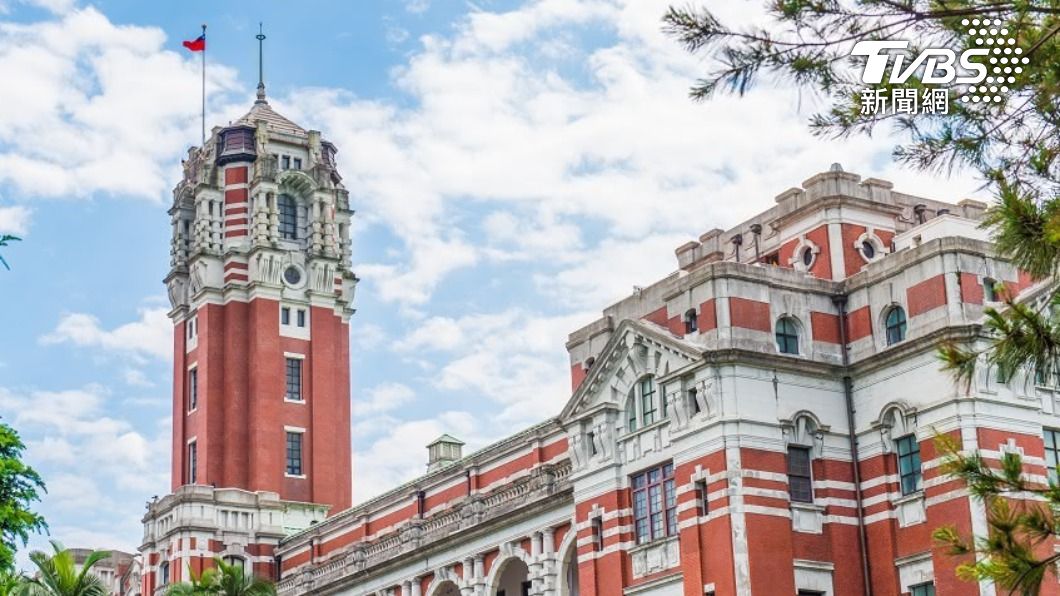
TAIPEI (TVBS News) — The Supreme Court (最高法院) sentenced four former military personnel Friday (Dec. 5) for selling classified documents to Chinese intelligence agents. Sentences ranged from six years and five months to seven years. The court sentenced Lai Chung-yu (賴重宇) to seven years, Li Yu-erh (黎育爾) to six years and seven months, and Chen Wen-hao (陳文豪) to six years and five months. Each defendant lost their civil rights for six years. Chen and Li were former Military Police guarding the Office of the President (總統府), Taiwan's presidential office.
The Ministry of National Defense (MND, 國防部), Taiwan's defense ministry, initiated the investigation last year after receiving a tip-off about military personnel using phones to photograph confidential documents for sale. Authorities discovered that Lai, Chen, Li, and Lin Yu-kai (林裕凱), a former Military Police member, were involved in the espionage scheme. Lin, who retracted his appeal during Supreme Court proceedings, is already serving a five-year, 10-month sentence.
According to the indictment, Lai and Chen began collaborating with a wanted civilian surnamed Huang (黃) in late 2021 to sell classified information. Chen photographed secret documents starting from April 2022, forwarding them to Lai, who then passed them to Huang or directly to Chinese intelligence agents. Chen also attempted to recruit other soldiers into the espionage network, but they declined participation.
Prosecutors found that Lai received NT$460,000 (around US$14,696), Chen NT$450,000 (around US$14,377), Li NT$660,000 (around US$21,086), and Lin NT$260,000 (around US$8,307) in bribes. The defendants admitted their actions, citing financial difficulties. The court criticized them for betraying their duties, noting that the leaked information posed a threat to national security. The Supreme Court upheld the sentences, finding no errors in the second trial's judgment, concluding the case. ◼