


Taiwan engages U.S. on trade after Supreme Court ruling
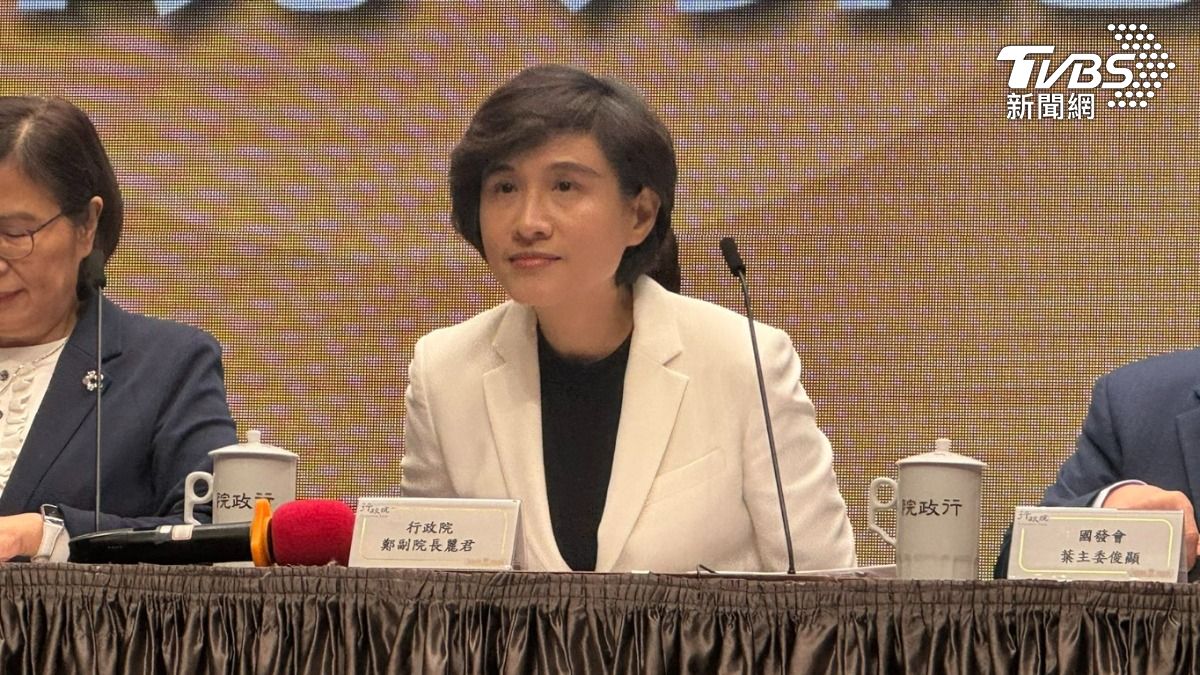
TAIPEI (TVBS News) — Vice Premier Cheng Li-chiun (鄭麗君) stated on Tuesday (Feb. 24) that Taiwan has engaged with the U.S. to address potential impacts on trade agreements following a U.S. Supreme Court decision. She predicted that countries with existing agreements should have room to secure better treatment regardless of changes in tariff policies. Cheng emphasized that the court's ruling does not affect Section 232 clauses, preserving Taiwan's most-favored-nation status for automotive parts, wood furniture, and aerospace components.
The U.S. Supreme Court invalidated President Trump's global reciprocal tariffs, prompting him to announce a 15% global tariff on Sunday (Feb. 22). Taiwan recently signed the Agreement on Reciprocal Trade (ART) with the U.S., raising questions about future trade dynamics.
Cheng highlighted that Taiwan has secured most-favored-nation status for semiconductors and derivative products. The U.S. Commerce Department may propose Section 232-related tariffs on semiconductors, but Taiwan has already obtained an in-quota exemptions, with a 15% rate outside quotas. Taiwan will continue to negotiate to maintain these favorable terms under Section 232.
The MOU between Taiwan and the U.S. stipulates ongoing consultations for any additions to Section 232, aiming to mitigate future industry uncertainties. Cheng assured that Taiwan will maintain communication to ensure advantageous treatment under the ART. She stressed that Taiwan will submit the agreement text to Congress after confirming details with the U.S., including the trade agreement, investment MOU, and impact assessment report.
Cheng remains optimistic, foreseeing that countries with agreements will find opportunities to secure favorable terms despite potential changes in reciprocal tariff policies. Taiwan aims to uphold its advantageous position through continued dialogue and negotiation.