


Taiwan Premier briefs parliament on U.S. tariff negotiations
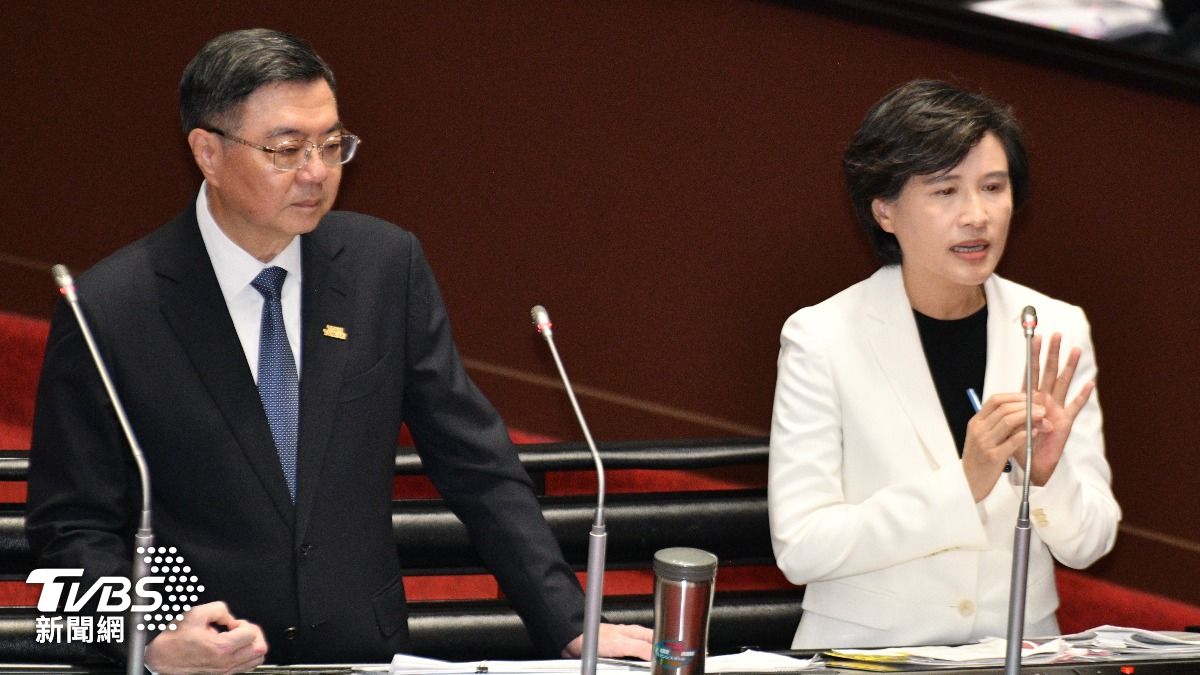
TAIPEI (TVBS News) — Taiwan Premier Cho Jung-tai (卓榮泰) briefed legislators on Monday (Aug. 25) about the ongoing Taiwan-U.S. tariff negotiations, emphasizing the government's commitment to fully disclose any agreement to Congress and the public. Cho highlighted the recent adjustment in the U.S. reciprocal tariff rate, which dropped from an additional 32% to 20% as of Aug. 7, offering temporary relief to Taiwan.
Deputy Premier Cheng Li-chun (鄭麗君) and Minister Yang Jen-ni (楊珍妮) have spearheaded Taiwan's negotiation efforts through four face-to-face meetings and multiple virtual sessions with American officials. The discussions center on boosting Taiwan's imports of U.S. agricultural commodities including soybeans, corn, and wheat, alongside industrial products like oil and natural gas. Taiwan's strategy reflects growing concerns about securing reliable food and energy supplies amid global supply chain disruptions.
Premier Cho emphasized Taiwan's commitment to strengthening long-term trade partnerships with the United States while working to reduce tariff burdens on local industries. Recent think tank analyses indicate the tariff reduction has cut economic damage by 50% across key metrics including exports, manufacturing output, GDP growth, and employment levels. The improvement represents significant progress from projections made in early April when trade tensions first escalated.
Taiwan's Ministry of Labor (勞動部) revealed on Aug. 18 that economic pressures forced 191 businesses to negotiate reduced working hours, impacting 3,934 employees nationwide. The tariff dispute specifically affected 73 companies as of Aug. 15, predominantly in machinery and metal manufacturing sectors, with 2,388 workers facing shortened schedules. The data underscores the immediate human cost of the trade tensions on Taiwan's industrial workforce.
Taiwan's cabinet, the Executive Yuan (行政院), approved economic security amendments on Aug. 14 designed to strengthen industry resilience, though the measures still require legislative approval. Premier Cho acknowledged the persistent challenges facing Taiwan's manufacturers due to U.S. tariffs while reaffirming his administration's resolve to negotiate more favorable trade terms. The government's dual approach combines immediate relief measures with long-term diplomatic efforts to restore balanced commercial relations. ◼