



Hidden incisions offer new hope for gynecological patients
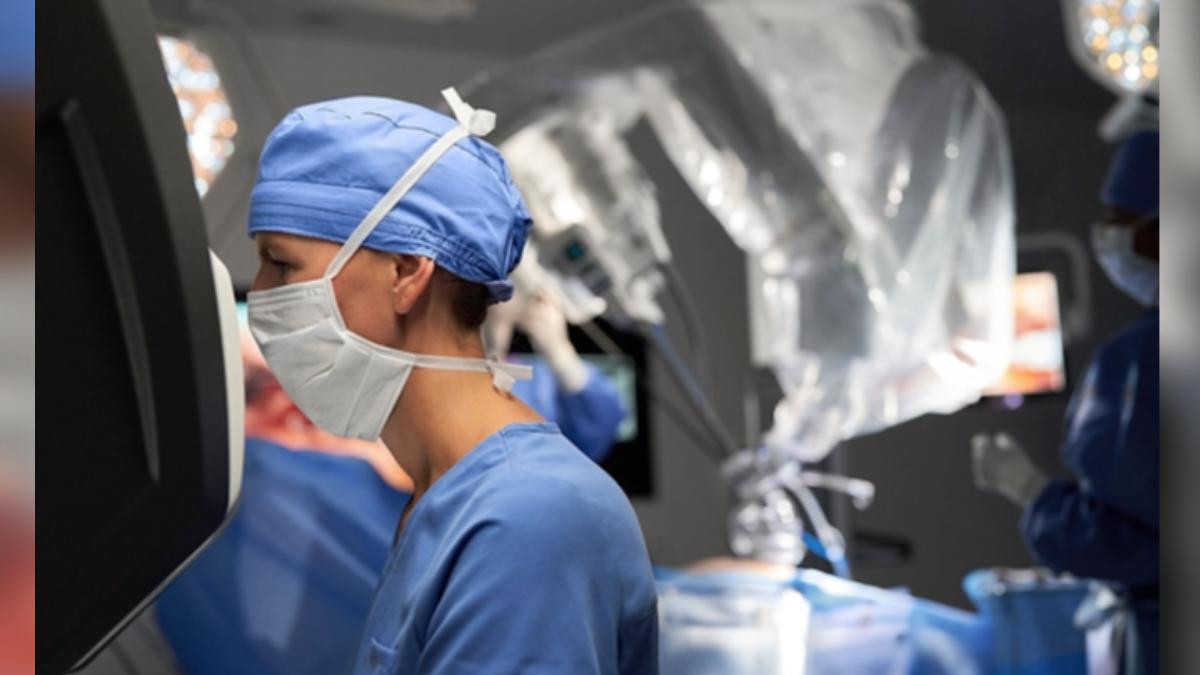
TAIPEI (TVBS News) — Across examination rooms in Taiwan and beyond, a hidden crisis unfolds daily as women face an impossible choice between enduring escalating physical pain and accepting the psychological trauma of surgical scars. For years, the fear of disfiguring marks has driven countless patients to delay or abandon necessary gynecological procedures, creating a healthcare paradox where emotional suffering often outweighs medical risk. Now, Taiwanese surgeons are championing a solution that promises to eliminate this cruel calculus, using revolutionary single-port robotic surgery to remove large tissues through incisions sometimes hidden within the navel.
Dr. Li Wai-hou (李偉浩), director of Shin Kong Hospital's (新光醫院) Gynecologic Robotic Center, encountered this dilemma firsthand with a 44-year-old patient whose case exemplifies the broader crisis. Research demonstrates that visible scars from traditional surgery hinder psychological adjustment after gynecological procedures. The woman had delayed surgery for years despite worsening symptoms, told by previous doctors that only traditional open surgery was possible. The psychological burden compounds physical trauma, creating barriers to seeking necessary care.

For this patient, the stakes were particularly high due to her keloid-prone skin condition. Her keloid-prone skin meant any surgical scar would appear thicker and more prominent, creating permanent disfigurement. As her condition deteriorated — abdominal bloating, excessive bleeding, anemia — the fibroids grew from 12 to 28 centimeters. Li recognized that conventional surgery would leave her with a 20-centimeter abdominal incision, intensifying her anxiety about visible scarring.
Enter the latest medical innovation: the single-port robotic system that promises to rewrite surgical trauma narratives. Using 3D endoscopic vision and dexterous instruments, surgeons perform complex procedures through navel-sized incisions. Li successfully removed his patient's basketball-sized, 4-kilogram uterus through a 2-centimeter concealed incision. The transformation was immediate — walking same day, swiftly discharged, confidence restored without visible scarring.
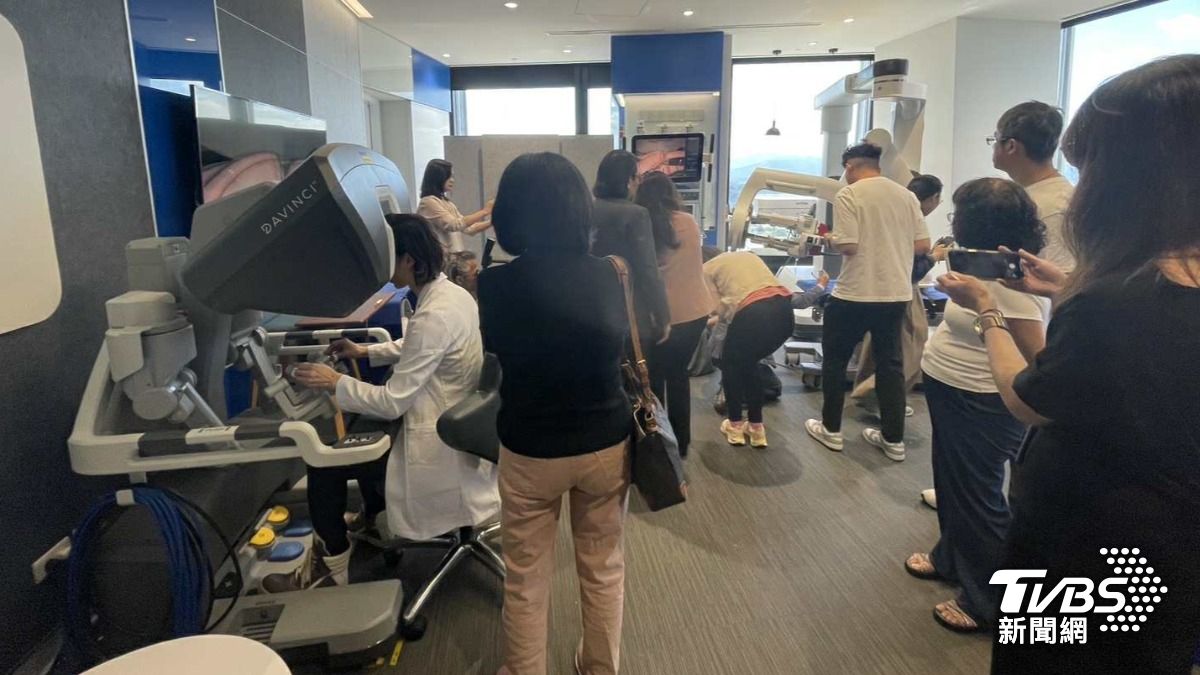
The implications extend far beyond individual cases, touching the fundamental relationship between women and their healthcare choices. This psychological dimension of surgical care has long been overlooked in medical discourse, yet it shapes decisions in examination rooms across the globe. Li's experience treating patients with 12-centimeter ovarian fibromas and stage I endometrial cancer demonstrates the technology's broader applications. Each case represents not just successful surgery but restored agency — women no longer forced to choose between health and self-image.
The clinical advantages mirror the psychological benefits in their significance. Blood loss during robotic procedures averages 200 cubic centimeters, compared to five times more with traditional surgery. Yet Li cautioned that this technological marvel isn't universally applicable — careful evaluation remains essential. The reminder serves as counterpoint: even revolutionary advances require assessment, and patients should verify surgeon certifications.
This advancement transcends mere technological achievement, addressing a fundamental barrier that has silently shaped women's healthcare decisions for generations. By eliminating the specter of disfiguring scars, the technique promises to liberate countless women from the cruel calculus of choosing between physical health and psychological wellbeing. The ripple effects could be profound: earlier interventions, better outcomes, and the restoration of agency to women who have long suffered in silence. ◼