



Taiwan’s cooling suppliers gain as AI raises heat and spending
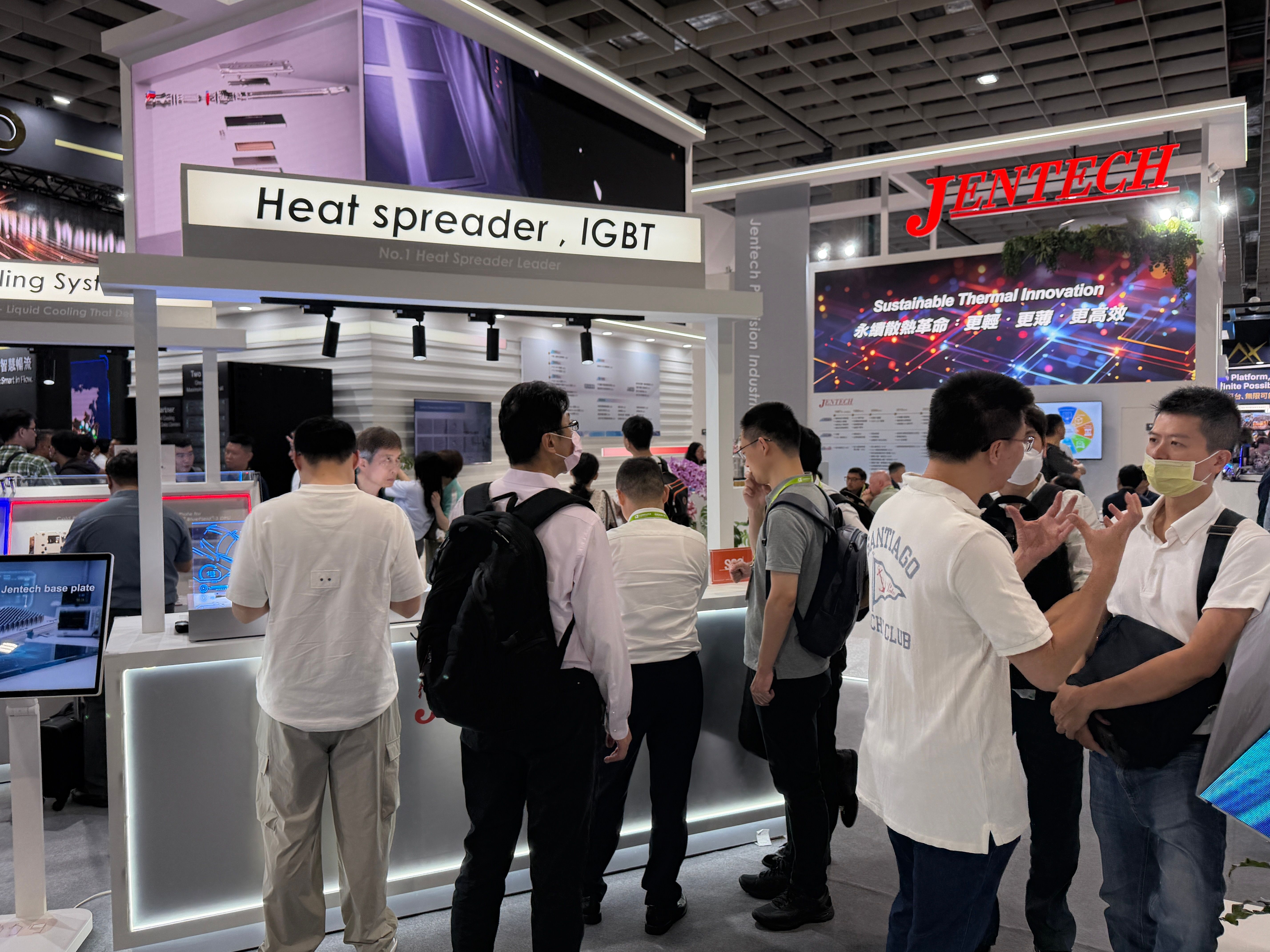
Taiwan’s cooling suppliers are turning the rising heat output of AI servers into higher sales and profits. Asia Vital Components (AVC), Sunon, and Jentech all reported substantial third-quarter revenue growth, and new GPU and custom AI chip systems are supporting demand through the end of 2026.
Their products are becoming more complex as powerful AI processors require liquid cooling. Cold plates absorb heat from processors, pipes and connectors carry the heated coolant, and coolant distribution units transfer that heat to the facility’s cooling system. The three companies are drawing on their experience in fans, precision metalworking, and server design to supply more of this equipment.
AVC, the largest of the three, posted record third-quarter revenue of NT$59.09 billion (approximately US$1.80 billion), up 51.8% from a year earlier. Net profit attributable to shareholders rose 116.6% to NT$11.56 billion (US$353 million), and gross margin was 33.86%. The company said cooling demand now extends beyond AI accelerators to CPUs, memory, optical transceivers, and power supplies.
AVC remains positive about the fourth quarter and is shipping more complex products, including double-sided cold plates. It expects revenue associated with custom AI chips, or ASICs, to exceed GPU-related revenue in 2027 as cloud companies increase their use of internally designed processors. To meet demand, AVC plans to iexpand liquid-cooling capacity by more than 50% next year.
Sunon, best known for fans and motors, is moving into liquid cooling from that base. Third-quarter revenue rose 24.5% to NT$6.14 billion (US$187 million). Its portfolio now includes processor and memory cold plates, along with coolant distribution units installed within racks or alongside them. At October’s Open Compute Project summit, Sunon also presented work with 3D Architech on printed cold plates, whose internal channels can be shaped to improve heat transfer.
Jentech works close to the chip. It supplies precision heat spreaders and package components, which move heat away from the processors, alongside liquid-cooling modules. Because those parts are built into the chip package, Jentech works with customers at the processor design and packaging stages. Third-quarter revenue was NT$9.49 billion (US$289 million), up approximately 87% year on year. Gross margin increased to 49.97%, from 38.97%, and earnings per share reached NT$19.70.
October sales point to a strong finish to the year. Analysts expect fourth-quarter sales at AVC and Jentech to rise around 10% sequentially, while new US customer projects and networking equipment should support Sunon.
Cooling suppliers gain from AI spending in two ways, through higher server shipments and the integration of more cooling equipment in each system. With cooling now reaching memory, optical transceivers, and power supplies as well as processors, and customers adopting different GPU and custom chip architectures, the advantage goes to suppliers that can adapt designs to each platform and manufacture them at scale.
US$ conversions use an illustrative exchange rate of NT$32.8 per US$1.