



TSMC's record sales and AI investments signal confidence in demand
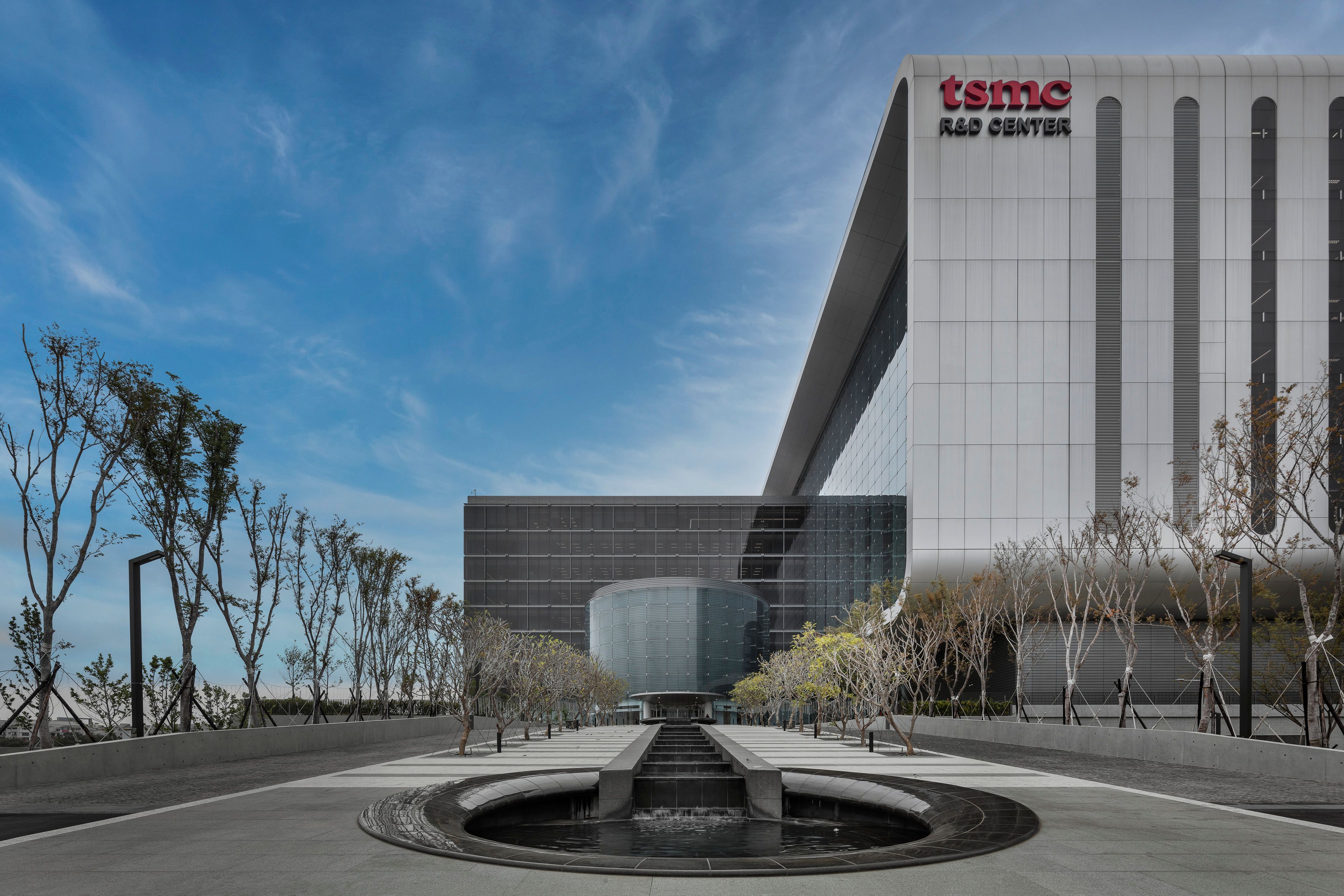
TSMC reported record October sales on November 10, the same day its board approved investments of up to US$1 billion in Anthropic and OpenAI. Together, the announcements suggest the world's largest contract chipmaker expects substantial growth ahead, at a time when investors are questioning the returns on AI infrastructure spending.
October revenue reached NT$586.89 billion (about US$17.9 billion), up 59.7% from a year earlier and 14.7% from September. Sales for the first ten months rose 43.3% to NT$4.49 trillion (about US$137 billion). Management expects fourth-quarter revenue of US$52.3–54.3 billion and full-year growth of about 44% in US dollar terms.
TSMC is adding capacity to keep pace. It has kept its 2026 capital-expenditure forecast at US$60 billion to $64 billion, and the board approved capital appropriations of about US$40.9 billion for advanced process capacity, advanced packaging, and fab construction. Customers are moving quickly to its 2-nanometer technology, and the company expects annual capacity across its N2 family to more than double in 2027 on orders from smartphone, high-performance computing, and AI chips. Production is increasing at Fab 20 in Hsinchu's Baoshan district and Fab 22 in Kaohsiung.
The same meeting approved two investments. Directors authorized up to US$500 million for Anthropic common shares, to be bought at its initial public offering price, and up to US$500 million for OpenAI preferred shares. They separately cleared up to US$500 million to set up an investment company that will take strategic stakes in the semiconductor industry and related businesses.
Equity in Anthropic and OpenAI offers a potential return from the application businesses whose computing requirements help generate chip demand. At up to US$1 billion, the commitment is modest beside a capital budget of $60 billion, and its effect is to link the chipmaker’s financial interests more directly to the two companies. TSMC’s sales and capacity plans reflect strong demand for AI hardware. The stakes extend that confidence to the businesses that must turn growing computing capacity into commercially successful services.