



TSMC’s Q1 Call: AI Demand Accelerates, Capacity Stays Tight
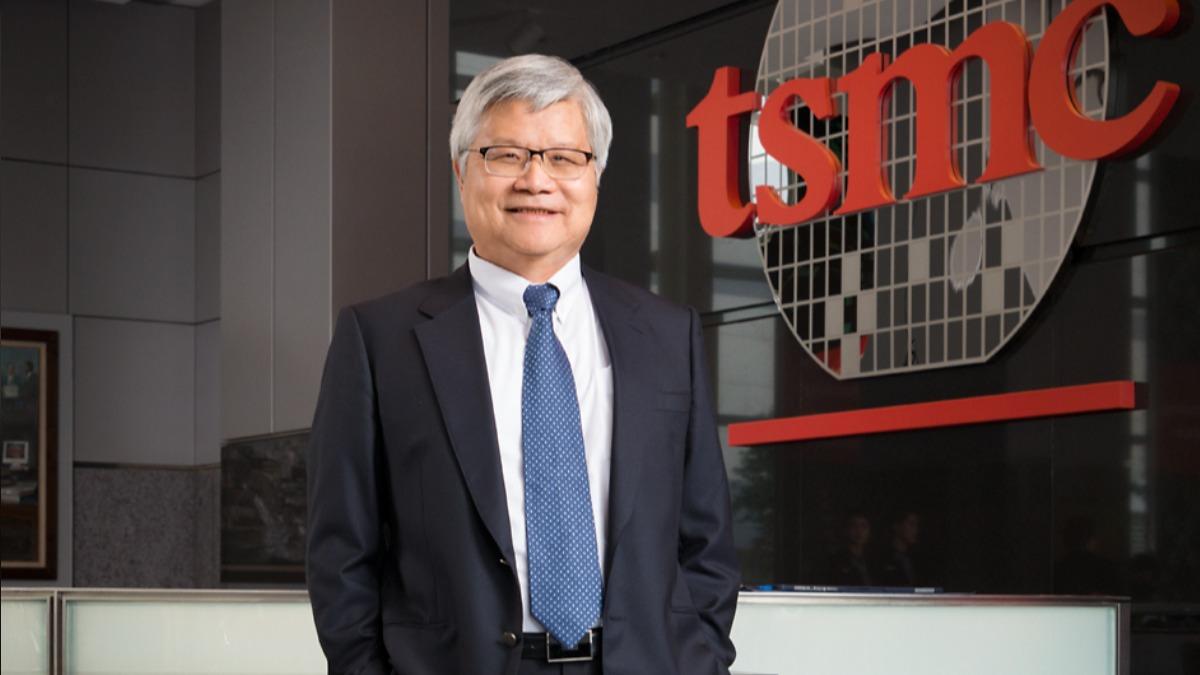
TSMC Chairman and CEO C.C. Wei struck a resoundingly bullish tone on AI demand during the company's Q1 2026 earnings call on April 16, making clear that the AI wave is continuing to accelerate and TSMC is running as hard as it can to keep up.
The numbers underscored Wei's confidence. Consolidated revenue reached NT$1.134 trillion (US$35.9 billion), up 35.1 percent year-over-year and 8.4 percent sequentially in New Taiwan dollars. That landed at the high end of guidance and set a new all-time quarterly record, surpassing the previous peak from just three months earlier.
Profitability improved just as sharply. Gross margin increased to 66.2 percent, operating margin climbed to 58.1 percent, and earnings per share came in at NT$22.08. March alone generated revenue of NT$415.19 billion (US$13.14 billion), a monthly all-time high and a 45.2 percent year-over-year surge.
TSMC's outlook was every bit as strong as its reported numbers. For Q2, the company guided to revenue of US$39.0 billion to US$40.2 billion, roughly 9 percent sequential growth from the quarter just reported and more than 50 percent above the level from a year earlier. Gross margin is expected to land between 65.5 and 67.5 percent, with operating margin between 56.5 and 58.5 percent.
Management also raised full-year 2026 revenue growth guidance to "above 30 percent in US dollar terms," a notable lift from the January outlook, and nudged capital expenditure toward the high end of the previously announced US$52–56 billion range.
The most striking change came in the longer-term outlook. Wei told analysts that TSMC now expects AI accelerator revenue to grow at a 54–56 percent compound annual rate from 2024 through 2029, up sharply from the prior 45 percent estimate. He described AI-related demand as extremely robust, pointing to the rise of agentic AI workloads, which generate far more tokens per query, as a multi-year tailwind. "Our conviction in the multi-year AI megatrend remains high," Wei said.
To meet that demand, TSMC used the call to announce significant new capacity at the 3nm node across all three of its manufacturing geographies. In Taiwan, a new 3nm fab at the Tainan Science Park is scheduled to start volume production in the first half of 2027. In Arizona, the company has accelerated plans for a second 3nm fab, and is aiming for volume production in the second half of 2027. In Japan, the second Kumamoto fab will also add 3nm capability, with volume output targeted for 2028.
TSMC's next-generation 2nm process (N2) entered high-volume manufacturing in the fourth quarter of 2025 with what Wei described as good yield, and is expected to be "another large and long-lasting node." The enhanced N2P version and the A16 variant with Super Power Rail technology remain on track for mass production in the second half of 2026, while development of the A14 process is progressing on schedule for 2028.
Management was candid about the near-term cost of all this expansion. The 2nm ramp will temporarily dilute gross margins by 2-3 percentage points in 2026, with another 2–4 points of dilution from overseas fab construction.
Beyond raw wafer capacity, the other critical bottleneck remains advanced packaging. Wei reiterated that CoWoS demand is growing at roughly 80 percent annually and confirmed TSMC is racing to triple capacity. The company is also moving quickly in silicon photonics, with co-packaged optics targeted to enter mass production in 2026 as hyperscalers migrate from copper to optical interconnects inside AI systems.
Asked when supply might finally catch up with demand, Wei gave a characteristically straightforward response: "It takes two to three years to build a new fab. We expect this to continue to be very tight."
For a company already manufacturing the overwhelming majority of the world's leading-edge AI silicon, the Q1 call confirmed what the monthly revenue figures have been signaling all year. The AI chip cycle is still gaining speed and TSMC is running as fast as it can to meet surging customer demand.