


Forbes ranking underscores Taiwan's corporate diplomacy push
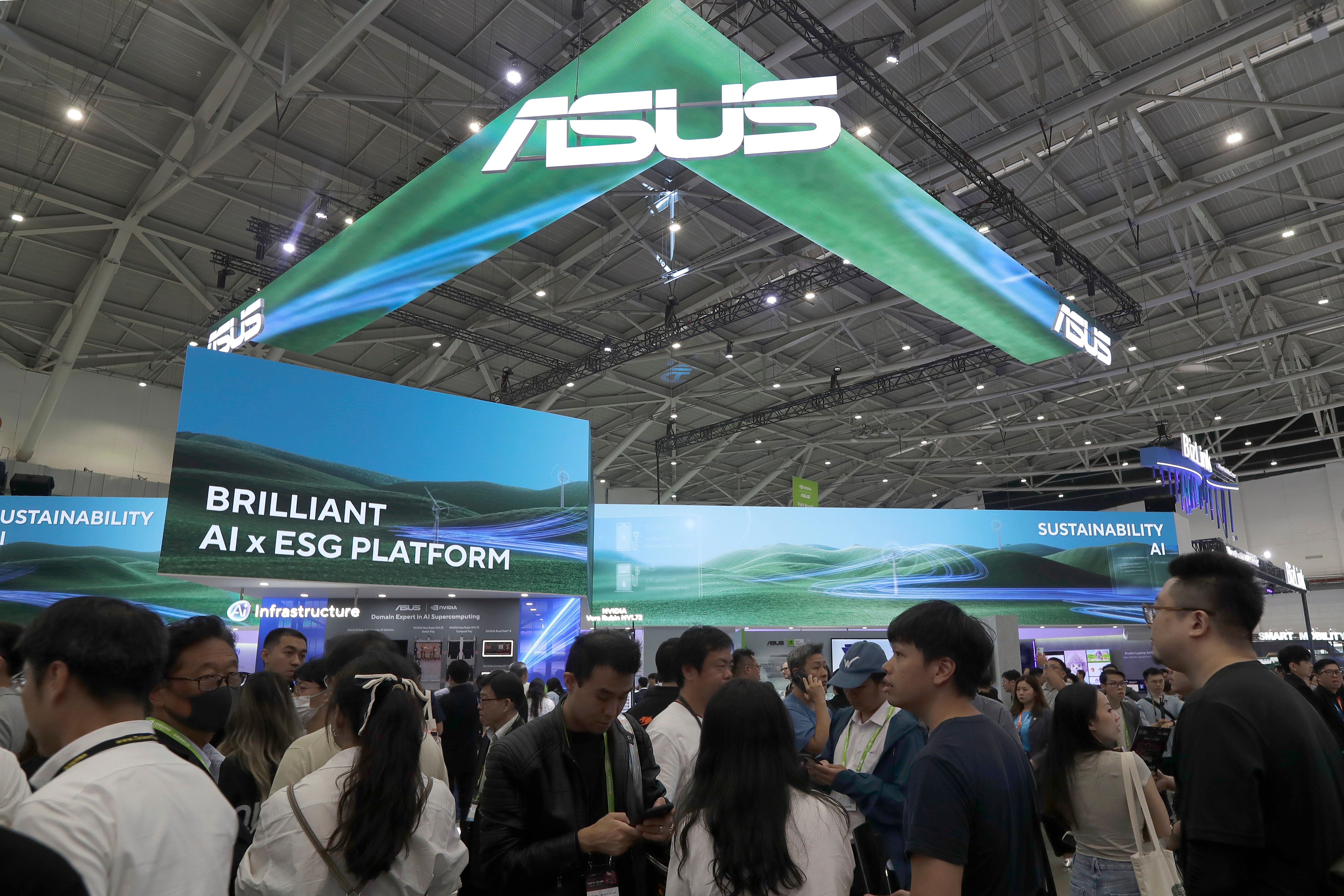
TAIPEI (TVBS News) — Eleven Taiwan companies earned spots on Forbes' World's Best Employers 2026 ranking, released last week, with tech giants ASUS (華碩) and Acer (宏碁) celebrating their 10th and 7th consecutive appearances. But what does this widely cited ranking actually measure, and what are its limitations?
How the Ranking Works: Taiwan's 11 Entries
Forbes partnered with market research firm Statista to survey more than 300,000 employees across more than 50 countries, rating employers on salary, career advancement, work-life balance and reputation. The survey combined three years of data, weighting recent responses more heavily.
Respondents could also evaluate companies through "industry knowledge" and "friends and family who worked there," meaning not all assessments came from direct employees.
Taiwan secured 11 spots among 900 companies from 52 countries. Financial institutions led: Fubon Financial (富邦金控) ranked No. 114 and Cathay Financial (國泰金控) at No. 131.
Tech companies dominated the remainder. Advantech (研華) ranked No. 206, followed by Taiwan Semiconductor Manufacturing Co. (台積電), the world's largest contract chipmaker, at No. 225. ASUS came in at No. 267, Acer at No. 280 and MediaTek (聯發科) at No. 290. Clevo (藍天電腦) ranked No. 459, MSI (微星) at No. 568, Accton (智邦) at No. 799 and Wistron (緯創) at No. 881.
Taiwan's Soft Power Through Corporate Reputation
The recognition reflects Taiwan's broader strategy of building international influence through corporate reputation, in addition to formal diplomacy. A Forbes analysis published last month argued that Taiwan's most powerful source of international reach is its semiconductor industry, led by TSMC, not its foreign ministry.
Taiwan's Ministry of Foreign Affairs has approximately 3,000 personnel worldwide and a budget of US$1.3 billion (around NT$41.3 billion). TSMC employs more than 90,000 people and reported annual revenue of US$121 billion to US$122.4 billion (around NT$3.8 trillion to NT$3.9 trillion), according to Forbes.
What Companies Say, and What the Rankings Don't Capture
ASUS co-CEO Ted Hsu (許先越) linked the recognition to AI-era investments in a statement Thursday (Oct. 1). "AI is reshaping not just the products we build, but the way we think and work," Hsu said. The company established an internal Generative AI Committee three years ago and built an ASUS AI Hub to help employees develop AI skills.
Acer, celebrating its 50th anniversary Monday (Oct. 5), emphasized employee and family support. "Acer's continued growth and transformation is thanks to the support of every colleague and their families," Chairman and CEO Jason Chen (陳俊聖) said Sept. 30. The company introduced first-grade parent half-day leave and expanded its "Acer Baby" childcare program.
Yet consecutive-year framing can obscure actual positions: ASUS celebrated its 10th consecutive appearance, but ranked 267th out of 900 companies. Acer, marking its 7th consecutive year, placed 280th.
The broader global context also warrants attention. According to Gallup's State of the Global Workplace 2026 report, cited by Forbes, only 20% of employees worldwide report being engaged at work, and 40% report daily stress. Even companies on "best employer" lists operate within this environment.
The ranking relies entirely on survey responses and reputation, not independent audits of workplace conditions, employee retention or compensation data. Forbes noted that companies do not pay to participate or be selected. ◼