



Agentic AI shapes the next smartphone race
Your flight is canceled. You ask your phone to find another departure, check whether you can still make your meeting and draft messages to the people expecting you, and it asks for your approval before it spends money or sends anything. The smartphone industry calls this agentic AI, meaning software that can organize and complete a task across several apps. Qualcomm, MediaTek, and Apple are building the processors and software to make it work. The hard part is making it useful all day without draining the battery or exposing the private details stored on the phone.
Two developments make this possible. On-device AI runs an AI model on the phone itself, so supported tasks work without sending your information to a remote server. Agentic AI is software that plans the steps of a task and then carries them out. Put together, an assistant can read your calendar privately on the phone while it checks an airline's website for seats.
Phones split this work among specialized processors. The CPU, or central processing unit, runs apps and coordinates tasks. The GPU, or graphics processing unit, handles graphics and parallel calculations. The NPU, or neural processing unit, runs AI workloads efficiently. All three already sit in modern phones. Chipmakers are now designing them to run more demanding AI tasks on less power, so an assistant can work through the day without draining the battery.
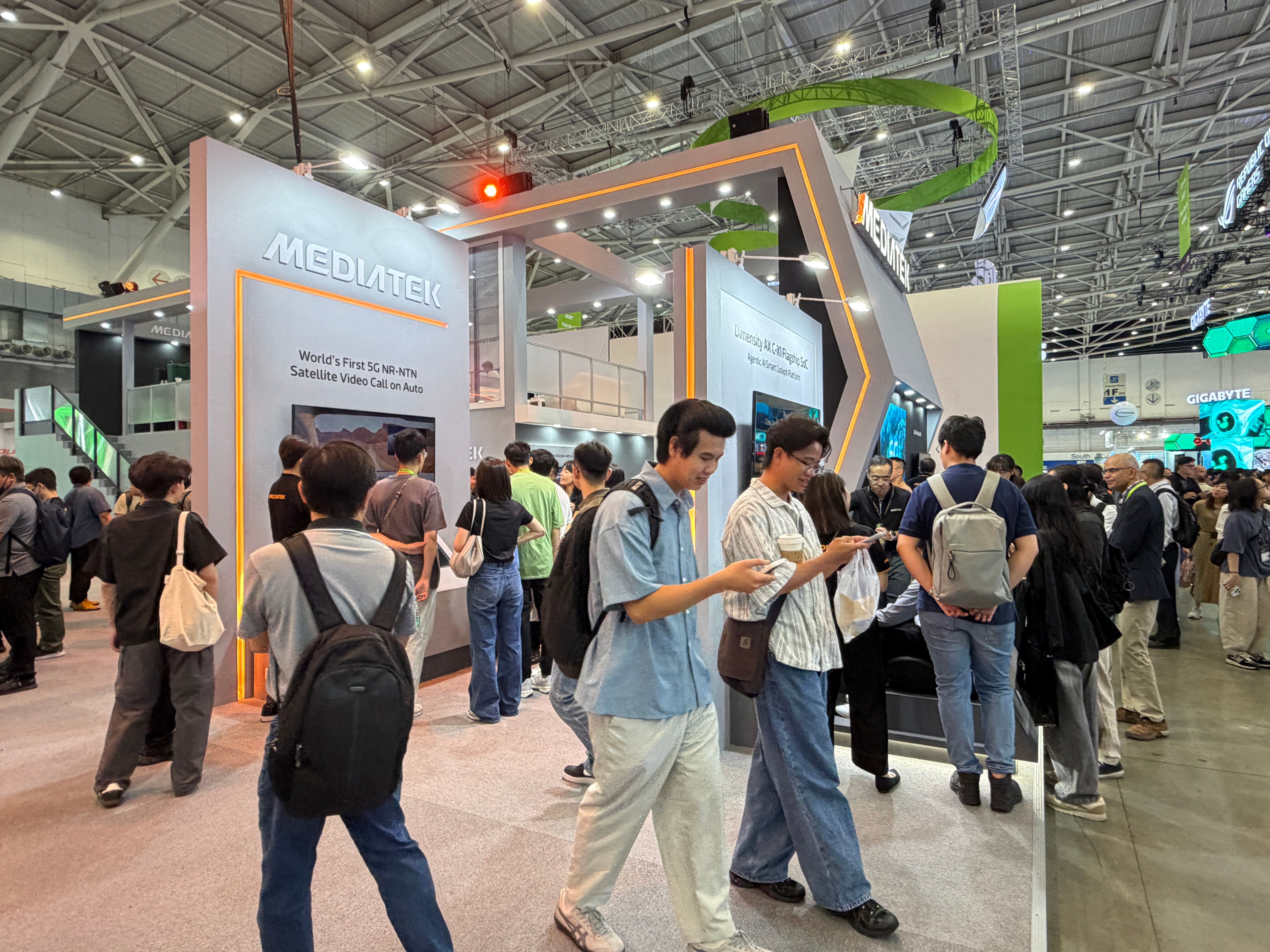
MediaTek's Dimensity 9600 Pro divides AI work between two NPUs. One watches for context at low power, while the other takes on harder jobs such as interpreting a request to change a flight or spotting scheduling conflicts from information on the phone. Qualcomm's Personal Scribe links your messages, emails, and conversations so the assistant understands your circumstances. Apple handles what it can on the device and sends larger requests to its cloud. Each approach aims to make the assistant quicker and more relevant to you.
Early examples show how interaction could change. Samsung's Galaxy S26 offers Now Nudge, which reads what is on the screen and suggests a next step, such as adding an appointment, opening a place in a map app, or sharing photos. Samsung says the personal data it uses stays on the phone unless the user agrees to share it. These are small steps, but they are the pieces an assistant needs to work across different apps.
Qualcomm wants personal AI to reach beyond the phone into glasses, earbuds, and other devices. A maintenance worker could point a camera at a machine and get instructions from an approved service manual. A traveler could ask about a sign through connected glasses and hear a translation. Because the processing happens on the device, these features could keep working where the connection is weak.
An assistant that can act also needs strict limits. Keeping data on the phone reduces exposure to outside servers, but a malicious message could still try to trick the assistant into doing something. Access to contacts, bank accounts, and work files needs clear boundaries. Preparing a payment and approving it should stay separate steps, and users should be able to see and withdraw the permissions they have granted.
If phone makers get those safeguards right, they have something to sell at a difficult moment. In August, the research firm IDC forecast that global smartphone shipments would fall 16.7% in 2026 as memory shortages push up prices, and buyers need a stronger reason to replace the phone they have.
Chipmakers and phone brands are betting that a trustworthy personal assistant will be that reason, more than another jump in processor speed. A phone that can book a new flight and reschedule the meeting without exposing any private information could be the one people will want to upgrade to.