


Taiwan’s science parks expand as AI drives chip industry growth
Taiwan’s science parks are expanding as demand for AI chips, servers, and advanced manufacturing equipment strengthens the industrial clusters built around them. Their advantage rests on the concentration of manufacturers, suppliers, research institutions, and experienced engineers. That proximity supports the close coordination needed to turn promising new technologies into high-volume products.
The latest half-year results show the scale of that activity. Companies across the Hsinchu, Central Taiwan and Southern Taiwan science park systems generated combined revenue of NT$3.54 trillion (approximately US$111.1 billion) in the first half of 2026, up 29.27% from a year earlier, according to the National Science and Technology Council. Southern Taiwan accounted for approximately half the total, with NT$1.77 trillion (US$55.6 billion), followed by Hsinchu at NT$1.12 trillion (US$35.2 billion), and Central Taiwan at NT$643.63 billion (US$20.2 billion). These figures cover networks of sites overseen by three administrations, rather than three individual campuses.
More recent figures show continued growth in the south. Southern Taiwan Science Park companies generated NT$2.495 trillion (US$78.3 billion) in revenue during January to August 2026, up 36.5% from a year earlier, according to an October report citing the park bureau. Semiconductor revenue rose 38.24%, while precision machinery increased 62.39%, reflecting demand for both chips and the equipment needed to expand production.
Hsinchu Science Park, established in 1980, provided the foundation for this clustering model. Its surrounding region combines semiconductor manufacturing and design with research and engineering education. Today, National Tsing Hua University and National Yang Ming Chiao Tung University are important parts of that environment.
Clustering has practical value. Semiconductor production requires manufacturers to work closely with equipment, materials, and testing specialists. Nearby teams can meet, analyze problems, and coordinate changes more readily. Universities and research institutions contribute graduates and technical expertise, while established employers give engineers opportunities to develop specialized careers within the same region.
AI demand is benefiting more than chip fabrication. Across the three park systems, computer and peripheral revenue rose 82.49% in the first half of 2026, while precision machinery revenue increased 37.65%. The NSTC attributed these gains to demand for servers, related equipment, automation, and precision components.
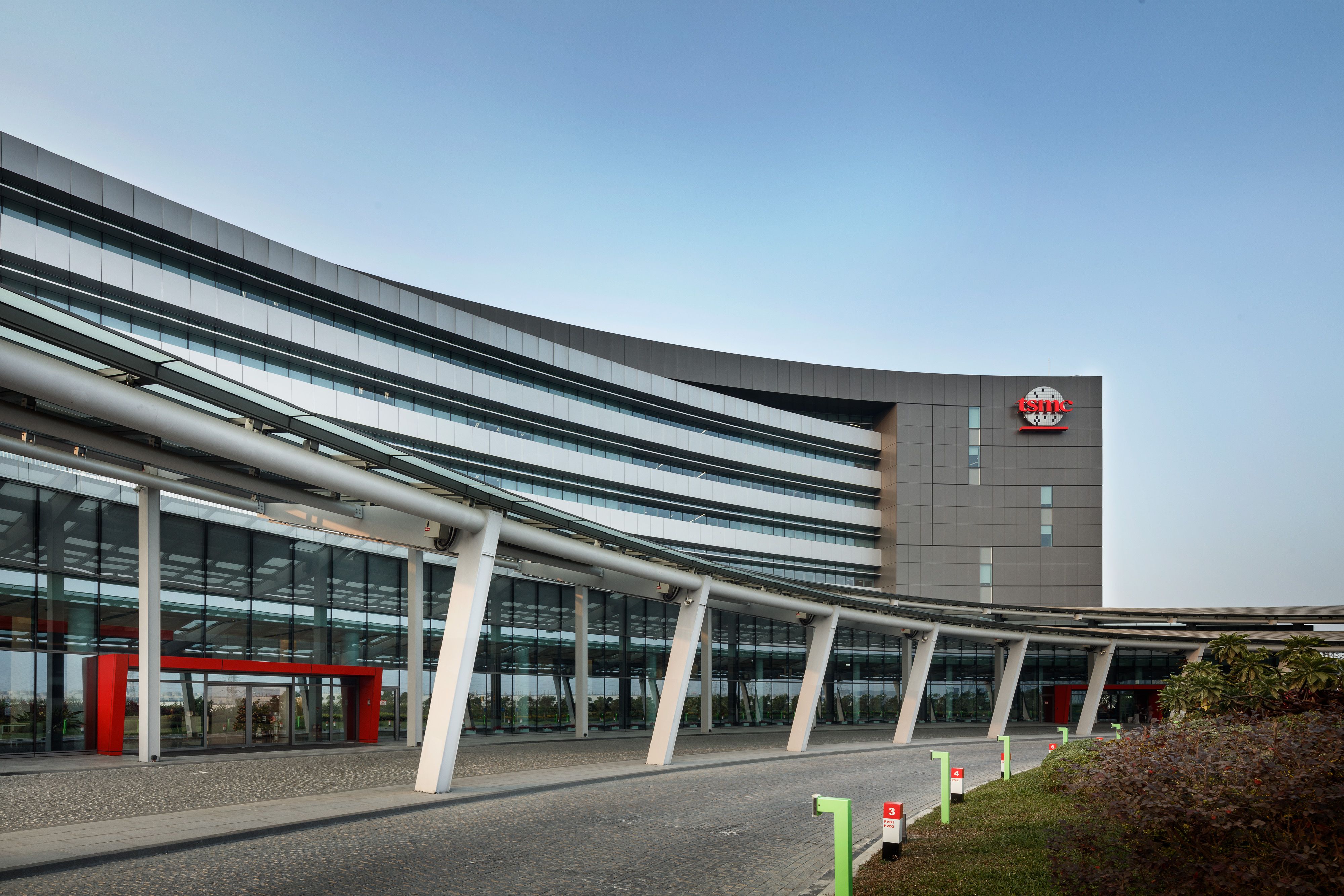
Expansion is also changing the geography of the industry. Southern Taiwan’s 2025 annual report records the start of production at TSMC’s Nanzih 2nm facility and factory registrations and equipment installation for advanced-packaging facilities in Chiayi and Tainan. It also identifies investment by international equipment and materials suppliers, illustrating how major manufacturers can attract supporting businesses into the same regional network.
Taiwan’s science parks have built a combination of specialized suppliers, experienced workers, research relationships, and manufacturing knowledge that is difficult to reproduce quickly. Their next challenge is to extend those strengths as new sites open. Sustaining the advantage will depend on matching industrial investment with reliable infrastructure, skilled, people, and workable development plans.