



AUO follows Samsung, Sony Honda in Micro LED adoption
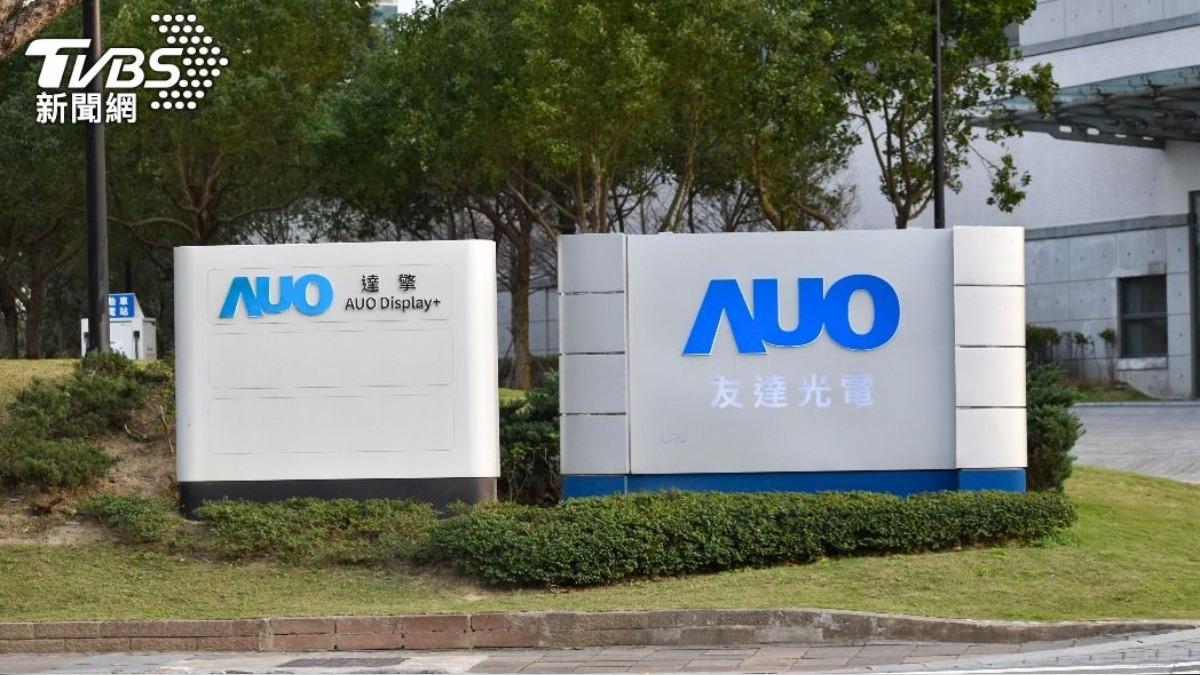
TAIPEI (TVBS News) — Taiwan's display technology giant AUO Corporation (友達光電) unveiled an ambitious strategic pivot away from its conventional panel manufacturing roots on Wednesday (May 28), with a laser focus on restoring profitability and resuming shareholder dividends. During a corporate strategy announcement, Chairman Paul S.L. Peng (彭双浪) emphasized the critical timing of this transformation, citing mounting financial pressures that have squeezed the once-dominant display maker.
The company's financial struggles have become increasingly apparent, with Peng acknowledging that AUO has failed to generate profits in recent quarters, forcing the board to tap into capital reserves for a February cash distribution to shareholders. Currency market turbulence has severely affected the firm's bottom line, with exchange rate swings creating substantial revenue and profit volatility. Peng underscored that restoring sustainable profitability represents the management team's paramount objective as they navigate toward financial equilibrium in an increasingly competitive global display market.
At the core of AUO's transformation strategy lies a bold push into Micro LED technology, which offers a dramatically lower barrier to entry compared to competing display technologies. Peng revealed that building a Micro LED production facility would cost approximately NT$2 billion (about US$66.7 million)—a fraction of the NT$200 billion (about US$6.67 billion) required for an OLED panel factory. The company pointed to Micro LED's growing traction across television, consumer electronics, and automotive applications, noting its adoption by industry heavyweights including Samsung and Sony Honda Mobility.
Beyond cost advantages, AUO executives emphasized Micro LED's exceptional transparency capabilities, which surpass competing technologies by 50% to 100%. This breakthrough characteristic enables unprecedented visual clarity and opens new application possibilities across industries where traditional displays have faced limitations. The company views this technological advantage as a cornerstone of its strategic repositioning in the premium display market segment where profit margins remain robust despite industry-wide challenges. ◼