



AI PCs Face Real-World Productivity Test
Preparing a customer proposal can mean searching old presentations, checking prices, finding product images, and assembling a document. Imagine giving a computer the brief and having it prepare a draft from approved company files, flag missing information, and leave final decisions to you. That remains a compelling test of what an AI PC should deliver.
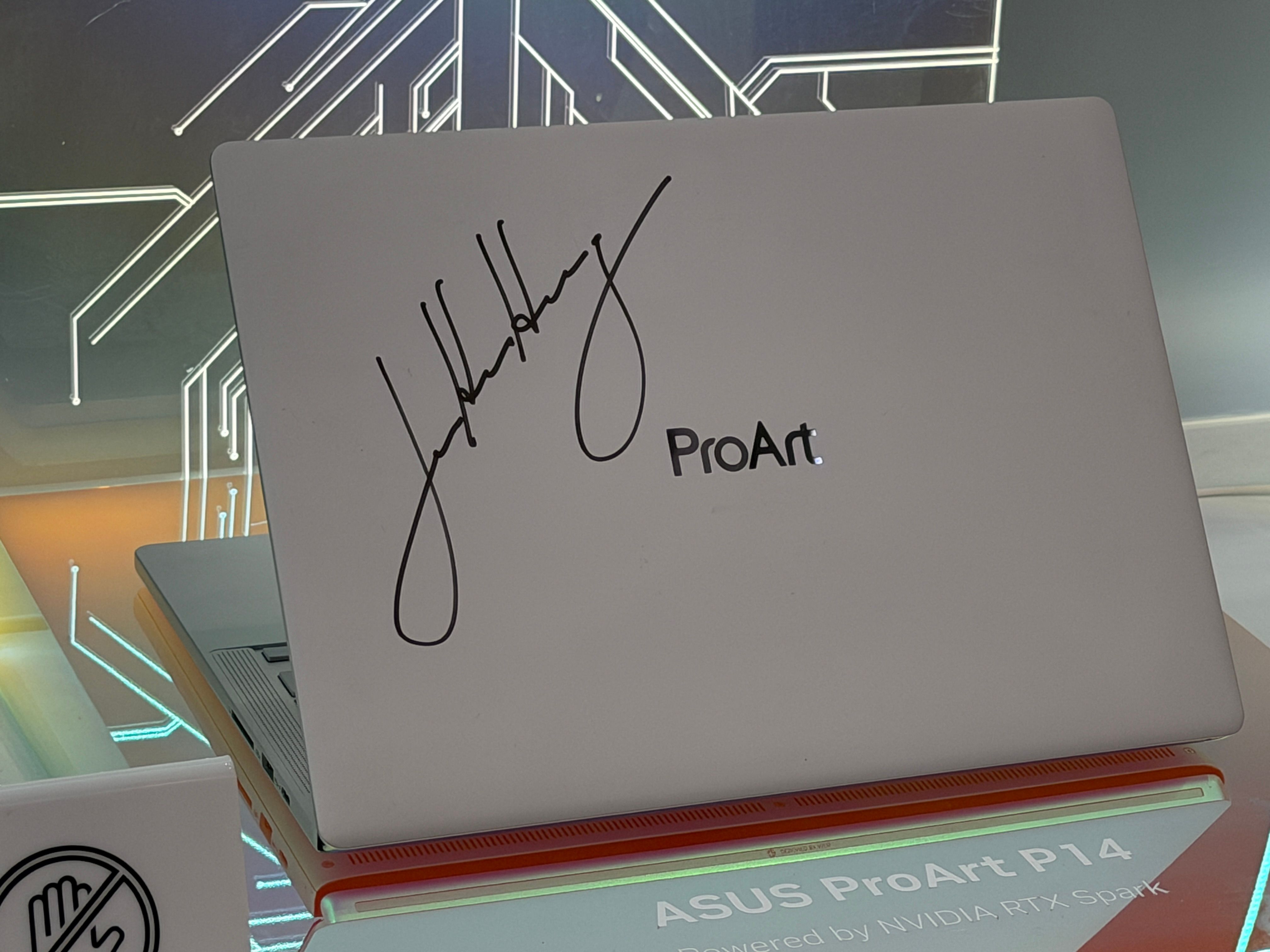
The hardware has advanced since the first wave of Copilot+ PCs in 2024. Nvidia’s RTX Spark laptops went on sale on October 16, 2026, with systems from Asus, Dell, HP, Lenovo, Microsoft, and MSI. Taiwan joined the launch, with retailer CoolPC offering configurations from Asus, Lenovo, and MSI.
Developed with MediaTek contributing to the custom CPU design, RTX Spark combines an Arm-based Grace CPU, Blackwell graphics, and up to 128GB of shared memory. It gives Nvidia a broader role in Windows computers and MediaTek an entry into premium PCs. The large memory capacity allows supported configurations to accommodate demanding local AI models alongside creative applications.
AI PCs use different processors for different tasks. The CPU manages applications; the GPU handles graphics and intensive parallel calculations. A neural processing unit, or NPU, accelerates supported AI tasks efficiently. CPUs and GPUs can also run AI models, but an NPU can make sustained AI processing more practical within a notebook’s battery and heat limits.
Local processing can reduce delays, support offline functions, and keep selected files on the device. Applications are becoming more concrete. Nvidia’s launch materials describe compatible agents adjusting video effects or processing batches of recorded clips locally. These are useful steps toward reducing repetitive work, although they do not establish that an assistant can reliably complete an entire business workflow.
Agentic software extends this idea by planning and carrying out several actions. Preparing the proposal would require permission to retrieve files, extract prices, and operate document software. Microsoft is developing Windows around a combination of local and cloud AI, allowing different parts of a task to run where appropriate. Reliable application integration remains essential.
Security becomes more consequential when software can act. Hostile instructions embedded in documents or webpages can attempt to redirect an agent. Microsoft’s controls include isolated environments and restrictions on file and network access. Businesses also need activity records and approval requirements for sensitive actions, such as sending confidential documents or authorizing payments. Keeping a model on the PC does not by itself provide those safeguards.
Cost adds another hurdle. Taiwan retailer CoolPC listed RTX Spark launch configurations at NT$139,900–269,999 (approximately US$4,280–8,260), placing them firmly in the premium market. Gartner’s February forecast pushed the expected 50% market penetration of AI PCs to 2028 because of rising prices.
The next phase must demonstrate economic value. Consumers need tools that make it easier to create, organize, and complete everyday tasks; businesses need measurable time savings without losing control of their information. Chipmakers, PC brands, and software developers must turn their combined capabilities into applications that deliver those benefits. Their success will determine whether AI gives buyers a compelling reason to upgrade or simply becomes another standard specification.