



ASE Raises Investment as AI Packaging Demand Lifts Earnings
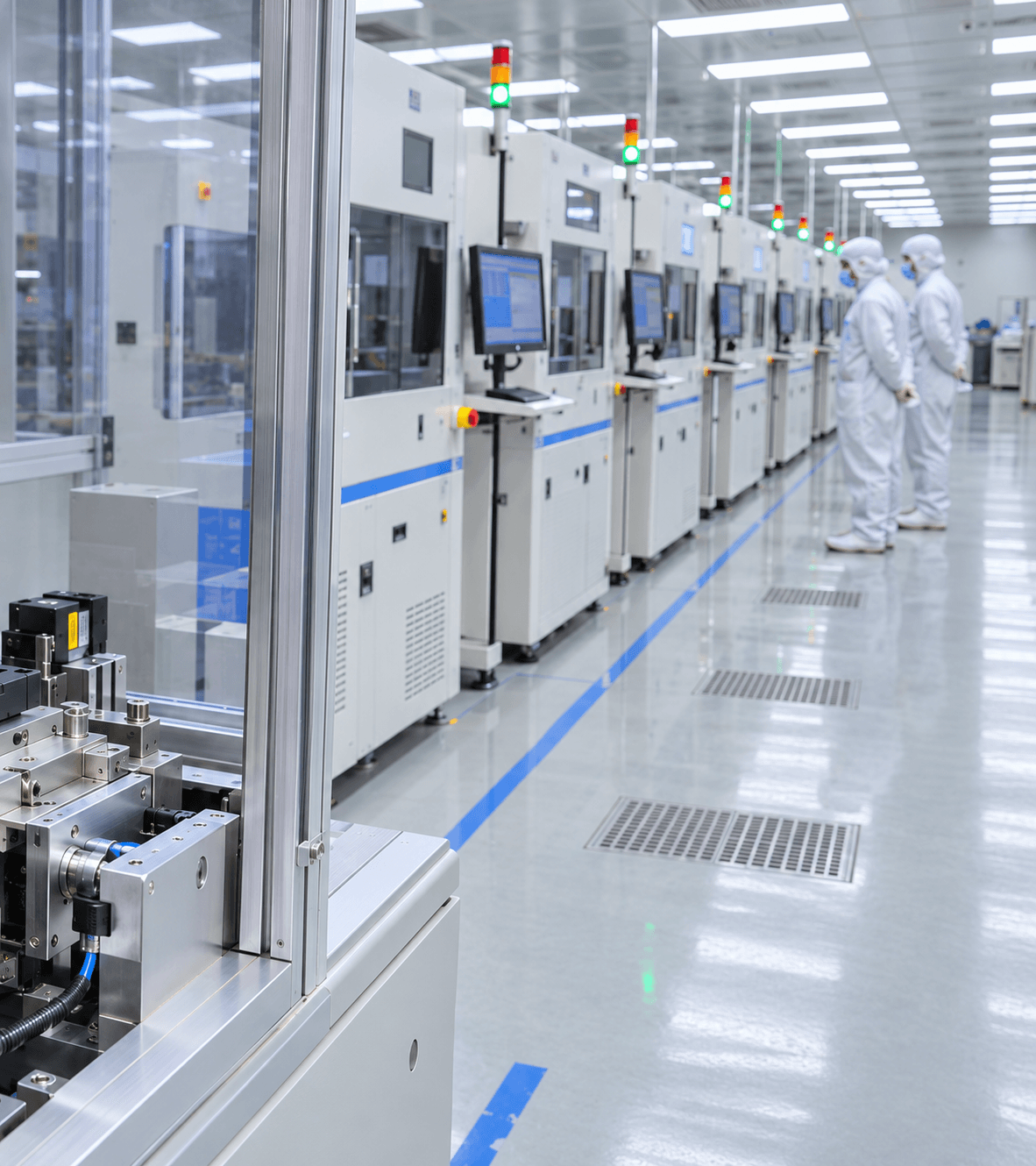
ASE Technology Holding has more demand for advanced chip packaging than it can currently house. The group raised its annual capital-expenditure budget from US$10.5 billion to US$11.5 billion, with the extra spending split between facilities and equipment, and says factory space remains a major bottleneck. It is looking for suitable existing buildings alongside new construction. Within testing, it plans to put wafer probing first, the step that checks chips before they are packaged, as it allocates limited space and money.
The demand comes from the way AI chips are now built. AI accelerators combine several chips and high-bandwidth memory in a single package, and the connections between them determine how quickly data moves, how much power the package consumes, and how well it performs. ASE's leading-edge assembly and testing business, known as LEAP, does this work. The group now forecasts LEAP revenue of more than US$4 billion in 2026, up from its previous estimate of US$3.7 billion, and expects that figure to double in 2027.
ASE is also taking on more of each customer's production. It now offers to handle the complete advanced-packaging process, so a single supplier carries out the whole sequence of manufacturing steps. Management expects this business to generate about US$300 million in 2026 and more than US$1 billion in 2027. Production yields are high enough for volume shipments, although capacity again limits how much it can deliver.
Two newer technologies extend the same push. Co-packaged optics, or CPO, places optical components close to the chips, so data-center equipment can transmit more information while using less power for connections. ASE says volume production began in the fourth quarter and expects the business to contribute more than US$500 million in 2027, counted within LEAP revenue. The group is also building an automated production line for 310-by-310-millimeter panels. Today's packages are made on round wafers, and the square format makes better use of the surface as packages grow larger. ASE is targeting production in the first half of 2027 for AI, networking, and high-performance computing chips.
The growth is already visible in ASE’s results. Third-quarter 2026 revenue reached NT$244.16 billion (about US$7.47 billion), up 44.8% from a year earlier and 27.8% from the previous quarter. Net profit attributable to shareholders rose 148% to NT$27 billion (about US$826 million), basic earnings per share reached NT$6.13 and gross margin rose to 22.1%. These figures include the group's electronics manufacturing business as well as packaging and testing. ASE forecasts another 6–8% sequential rise in fourth-quarter group revenue. How much further it can go in 2027 depends on how quickly its new buildings and lines come into operation.