



Taiwan to develop AI and care robots for healthcare system
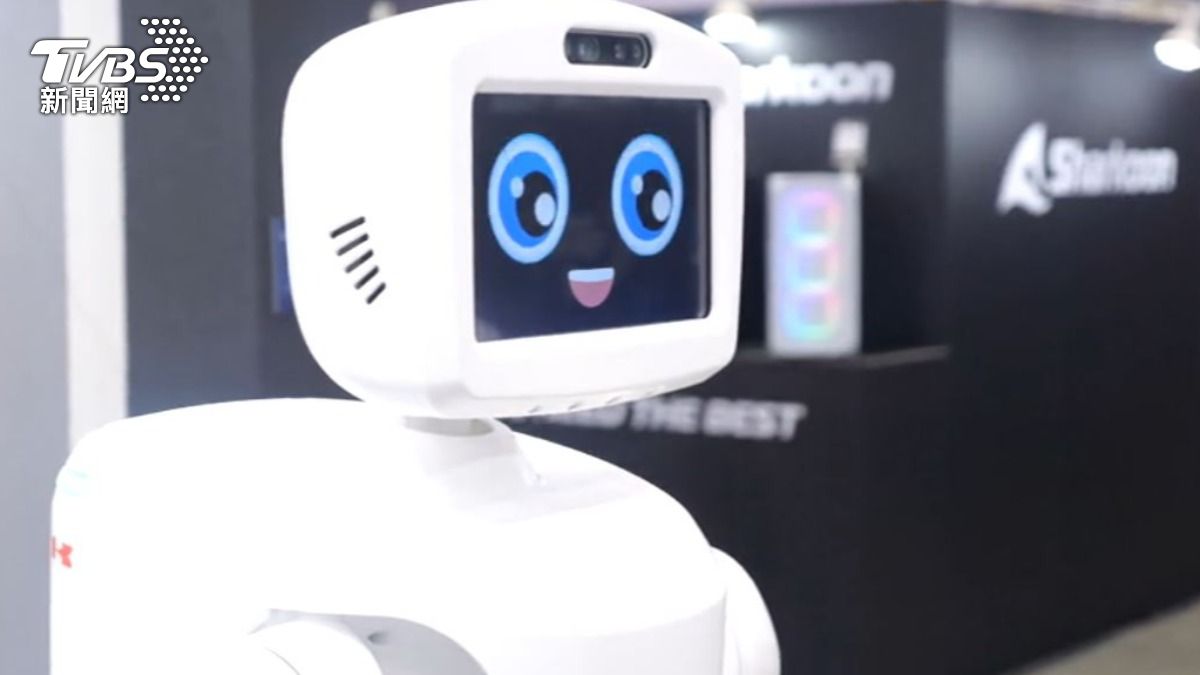
TAIPEI (TVBS News) — Taiwan's National Science and Technology Council (NSTC, 國科會), the government agency overseeing scientific research and development, unveiled ambitious plans on Wednesday (May 28) to significantly advance at-home medical technology in 2026. The initiative focuses on refining current products and improving system integration to expand accessibility of healthcare services through innovative technological solutions.
To advance this agenda, the NSTC convened a cross-governmental workshop that brought together key stakeholders from multiple ministries, including the Ministry of Economic Affairs (MOEA, 經濟部), the Ministry of Health and Welfare (MOHW, 衛生福利部), and the Ministry of Digital Affairs (MODA, 數發部). Medical practitioners working on the frontlines of healthcare delivery also participated in the discussions centered on technological enhancements to primary care. NSTC Minister Wu Cheng-wen (吳誠文) underscored the critical importance of aligning technological development with actual public healthcare needs while promoting robust partnerships across government and private sectors.
During the workshop, Minister Wu emphasized the government's responsibility to bridge communication gaps between healthcare providers articulating needs and the technology developers creating solutions. He stressed the importance of constructing a comprehensive technology-enhanced healthcare ecosystem that extends from national policy frameworks down to local implementation. The council's strategic roadmap includes developing cutting-edge technologies with particular focus on sovereign artificial intelligence systems, advanced data management services, and specialized care robots for patient assistance.
The gathering featured diverse healthcare perspectives, with participants from major medical centers, community hospitals, and neighborhood clinics presenting practical case studies that grounded policy discussions in real-world healthcare challenges. Looking forward, the NSTC emphasized its commitment to implementing advanced smart technologies specifically designed to reduce workloads for overtaxed medical professionals while simultaneously enhancing collaborative efficiency across different healthcare specialties and disciplines. ◼