



Taiwan oysters top imports in taste, study finds
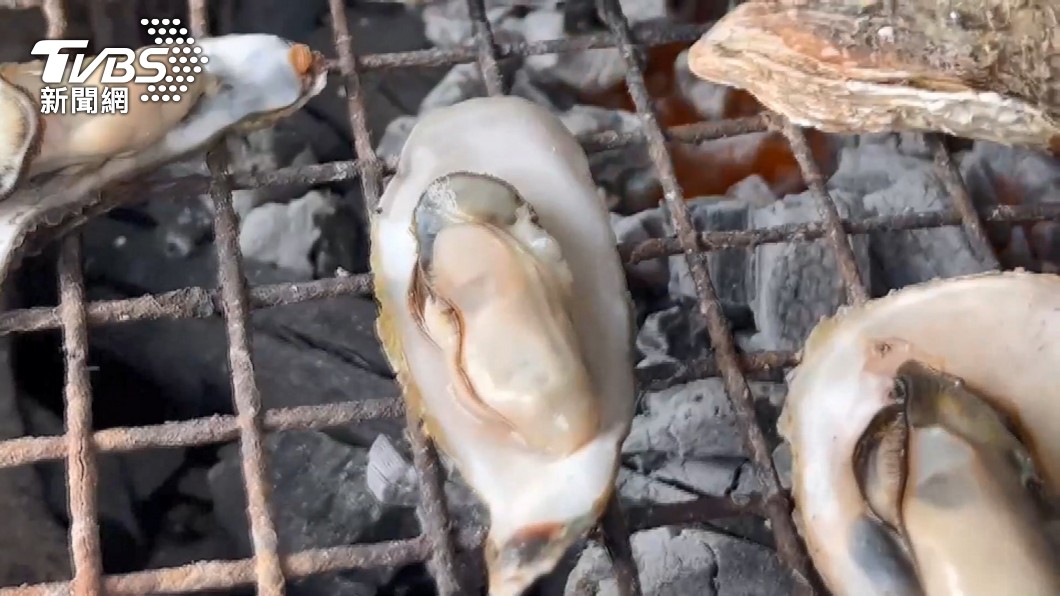
TAIPEI (TVBS News) — Taiwan's Fisheries Research Institute (TFRI, 農業部水產試驗所) confirmed Monday (June 2) that locally grown oysters demonstrate superior taste profiles compared to imported varieties. This conclusion emerged from a collaborative scientific study conducted by the institute and National Taiwan Ocean University (NTOU, 國立台灣海洋大學). Researchers deployed advanced scientific instruments to address production challenges through innovative artificial propagation technology transfer. These technological solutions target sustainable aquaculture development and enhanced productivity for Taiwan's oyster farming industry.
The Fisheries Research Institute emphasized that Taiwan's southwest coastal waters provide optimal hydrological conditions for oyster cultivation. The regions of Changhua, Yunlin, Chiayi, and Tainan offer particularly favorable marine environments that support exceptional oyster development and growth. These coastal areas yield oysters renowned for their distinctively plump texture, naturally sweet flavors, minimal carbon footprints, and exceptional freshness. The proximity to harvest sites ensures superior quality and environmental sustainability compared to distant imports.
Institute researchers noted that local oysters maintain significantly higher glycogen levels than imported varieties during the March to September season. Environmental differences between Taiwan's coastal waters and foreign production areas create distinct aroma profiles in the locally harvested shellfish. Agriculture Minister Chen Junne-jih (陳駿季) stated that Taiwan's annual oyster consumption demand fluctuates between 20,000 and 22,000 metric tons. This substantial market demand reflects the popularity of oysters in Taiwan's culinary culture and dining preferences.
Natural disasters have significantly diminished domestic production capacity, forcing increased dependence on imported oysters. Import volumes surged to nearly 7,000 metric tons in 2024, highlighting Taiwan's growing reliance on foreign suppliers to meet consumer demand. The TFRI developed innovative artificial propagation technology designed to reduce farming costs and stabilize production output. The institute currently conducts trial cultivation programs with local farmers, systematically comparing artificial propagation results against traditional natural spat methods.
The Fisheries Agency (漁業署), Taiwan's fisheries regulatory body, actively guides local producers in implementing comprehensive seafood traceability systems. These measures ensure consumers can confidently identify and purchase authentic locally produced oysters rather than imported alternatives. Ministry of Agriculture (MOA, 農業部) statistics document a concerning decline in Taiwan's oyster production, falling to approximately 16,000 metric tons in 2023. This represents a significant decrease from production levels exceeding 20,000 metric tons recorded five years earlier ◼