


Taiwan faces uncertainty amid Trump’s chip tariff policy
TAIPEI (TVBS News) — A senior researcher at the American Enterprise Institute (美國企業研究所) offered analysis Friday (Aug. 8) regarding U.S. President Donald Trump's (川普) sweeping tariff announcement targeting semiconductor imports. Derek Scissors emphasized the profound uncertainty surrounding Trump's trade policy implementation and its potential ramifications for Taiwan's semiconductor-dependent economy. The expert's commentary comes as Taiwan grapples with navigating the complex new trade landscape under the Trump administration.
President Trump (川普) announced Thursday (Aug. 7) a comprehensive 100% tariff on all semiconductor and chip imports entering the United States, while offering exemptions for companies committed to establishing or expanding U.S. manufacturing facilities. Scissors identified Taiwan Semiconductor Manufacturing Company (TSMC, 台積電) as among the most probable candidates for tariff exemption status given the company's substantial planned investments in American manufacturing operations. The policy creates a clear incentive structure for foreign semiconductor manufacturers to relocate production to U.S. soil.
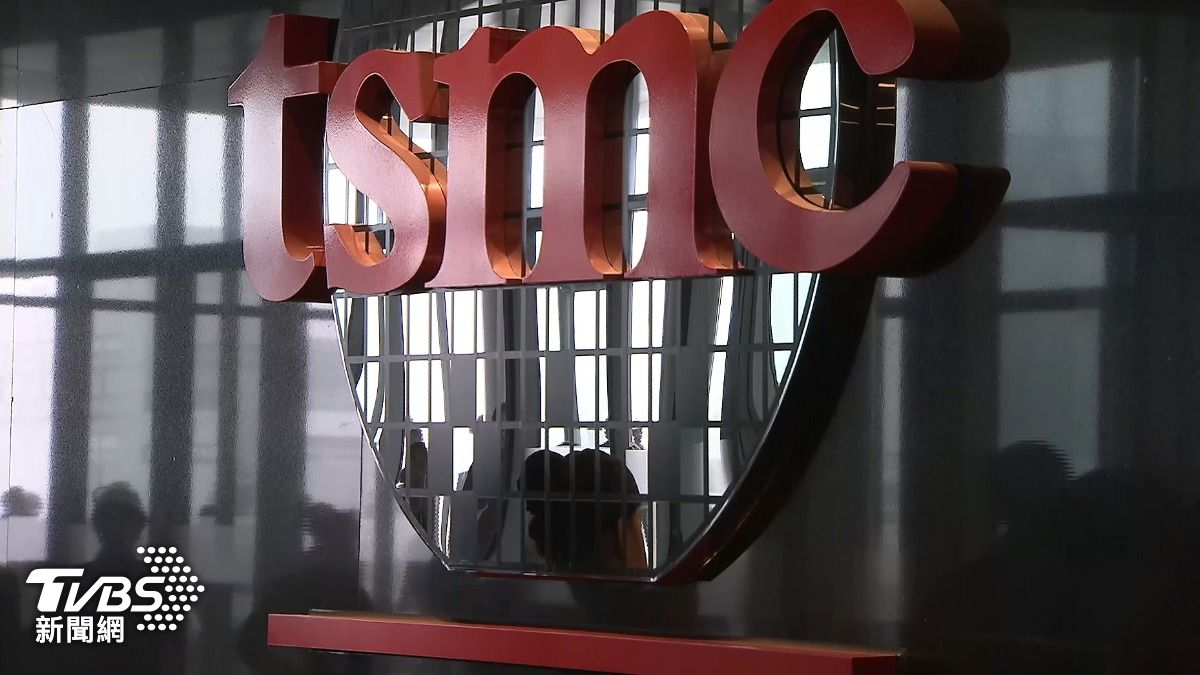
TSMC has planned construction of three advanced wafer fabrication facilities in Arizona and committed at least US$100 billion (around NT$2.985 trillion) since March 2025 to fund three wafer fabs, two advanced packaging plants, and a dedicated research center. The massive investment commitment brings TSMC's total U.S. investment to US$165 billion (around NT$4.925 trillion), positioning the Taiwanese semiconductor giant as a prime candidate for tariff exemption status. This substantial financial commitment demonstrates TSMC's strategic pivot toward American manufacturing operations.
Taiwan currently faces a temporary 20% tariff rate that exceeds the 15% rates imposed on Japan and South Korea by five percentage points. Scissors assessed Taiwan's competitive disadvantage as minimal and suggested the island could potentially negotiate a reduction to 15% through demonstrating substantial investment commitments in U.S. manufacturing. The researcher characterized U.S. trade policy as lacking clear rationale while acknowledging that Taiwan's present circumstances appear less dire than initial assessments might suggest. ◼