



TVBS poll reveals strong support for plastic ban by 2030
TAIPEI (TVBS News) — A comprehensive TVBS survey released Tuesday (Aug. 19) revealed that 96% of Taiwanese citizens intend to reduce plastic consumption after learning about microplastic health dangers. The July survey highlighted how education drives behavioral transformation, with 80% of respondents endorsing Taiwan's policy to eliminate single-use plastics by 2030. These findings underscore Taiwan's growing commitment to environmental sustainability amid rising global concerns about plastic pollution and human health impacts.
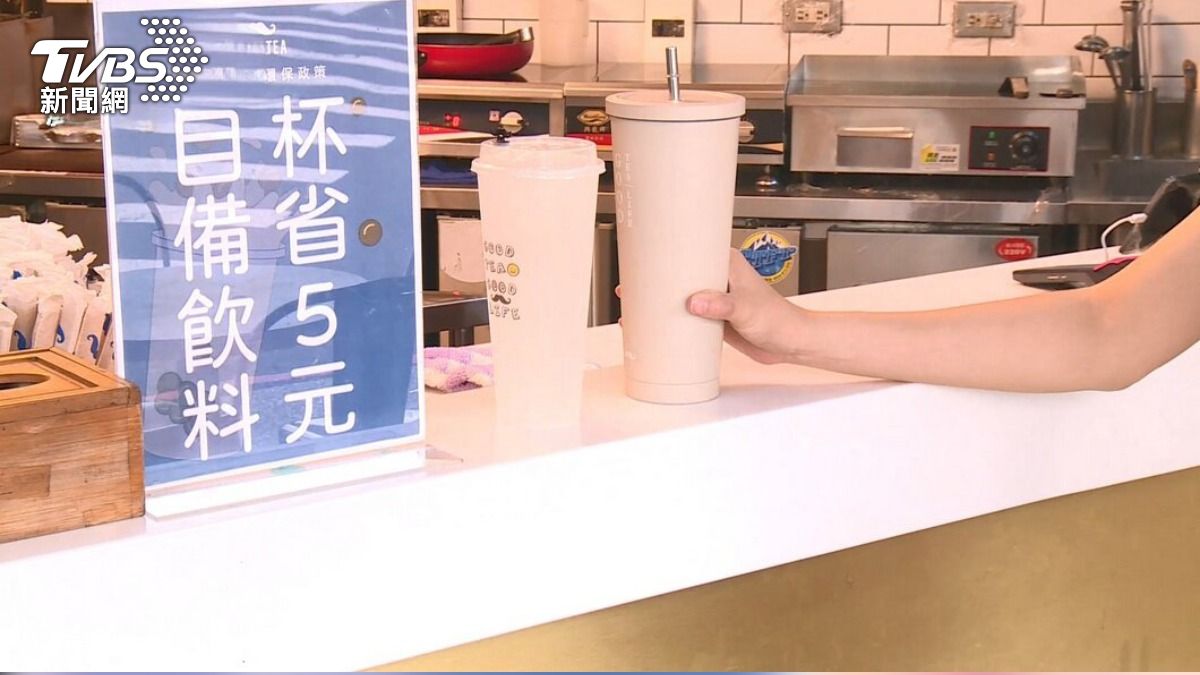
Taiwan's plastic reduction initiatives demonstrate remarkable success rates, with 97% of citizens bringing personal shopping bags, 99% reusing plastic bags, and 92% avoiding over-packaged merchandise. However, significant behavioral gaps persist in daily convenience habits, as only 34% borrow reusable cups and 45% bring personal straws during routine activities. Sandra Wang (王滋鮮), marketing director of environmental group RE-THINK, highlighted that the NT$5 (around US$0.17) discount policy for personal cup usage effectively increased adoption rates beyond 20%.
Survey results revealed a concerning knowledge gap, with 95% of respondents familiar with microplastics but only 8% claiming thorough understanding of their implications. Citizens correctly identify primary exposure sources including heated plastic containers, bottled water, contaminated food, and airborne particles as significant health threats. Wang acknowledged that reusable cup policies encounter implementation challenges through cleaning complications and system inconsistencies that discourage public participation. Taiwan demonstrates strong foundational environmental awareness, yet requires systematic improvements in policy infrastructure and cost barriers to achieve comprehensive sustainable development objectives. ◼