



Taiwan faces scorching heat as tropical disturbances develop
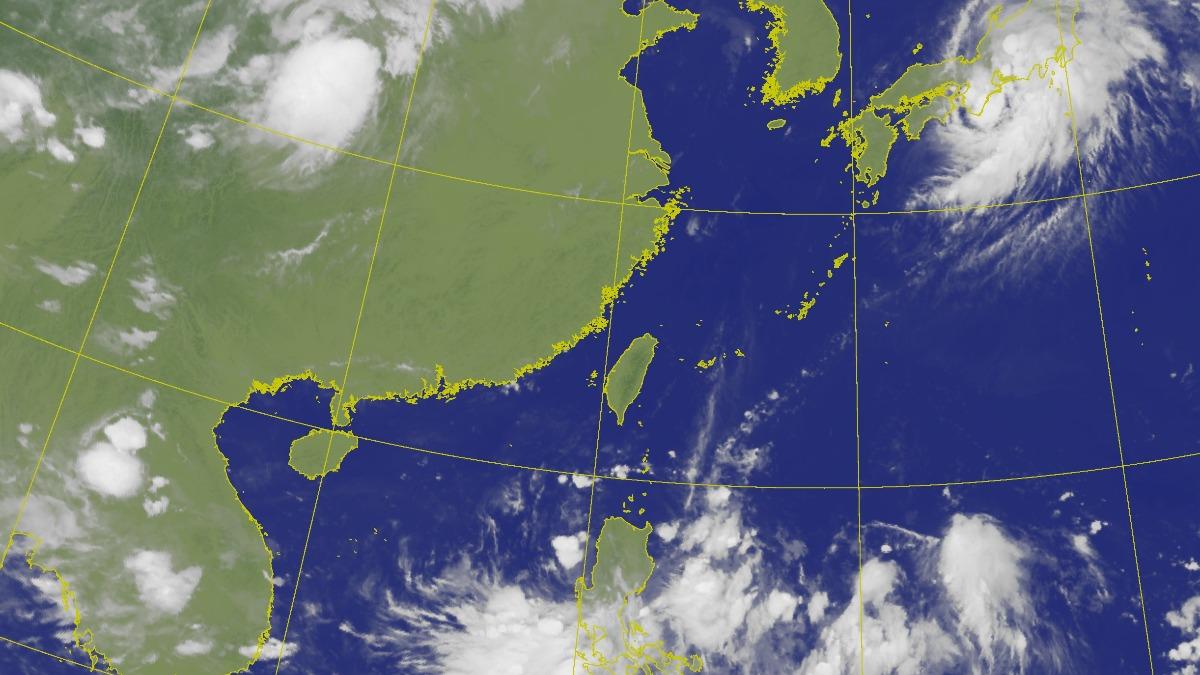
TAIPEI (TVBS News) — Taiwan's Central Weather Administration (CWA, 中央氣象署) issued warnings Friday (Sept. 5) as Tropical Storm Peipah (輕颱琵琶) approaches Japan's Shikoku and southern Honshu regions. The weather agency, Taiwan's national meteorological service, advised travelers to these areas to closely monitor the storm's trajectory. This development comes as meteorologists track multiple weather systems across the region that could affect travel and local conditions.
The CWA forecasts cloudy to sunny conditions across Taiwan with brief afternoon thunderstorms, particularly in areas south of Taoyuan and mountainous regions. Meteorologists predict that increased southern moisture from Sunday to next Thursday (Sept. 7-11) will create cloudy skies with intermittent sunshine. Northern Taiwan will experience hot weather while southern and southeastern regions face occasional showers.
Meteorologist Wu Der-romg (吳德榮) highlighted potential "tropical disturbances" developing in the South China Sea that could impact Hong Kong and Macau as early as Monday (Sept. 8). Wu emphasized the need for vigilance as these weather systems could bring severe conditions to the region. The meteorologist's warning underscores growing concerns about multiple storm systems threatening East Asia.
The European weather model (ECMWF) predicts scorching temperatures in northern Taiwan, reaching 37 to 38 degrees Celsius (99 to 100°F) on Friday and Saturday (Sept. 5-6). The ultraviolet index poses significant health risks, prompting authorities to urge residents to take precautions against sunburn and heatstroke. These extreme conditions highlight the region's vulnerability to intense summer weather patterns. ◼