



Taiwan to amend rules for high-risk aesthetic surgeries
TAIPEI (TVBS News) — The Ministry of Health and Welfare (衛生福利部) announced on Thursday (Nov. 27) plans to amend regulations requiring aesthetic clinics performing high-risk surgeries to undergo evaluations, sparking backlash. Recent increases in aesthetic medical incidents prompted the ministry to revise the Regulation Governing the Application of Specific Medical Examination Techniques and Medical Devices, mandating postgraduate clinical medical training (PGY) for aesthetic physicians.
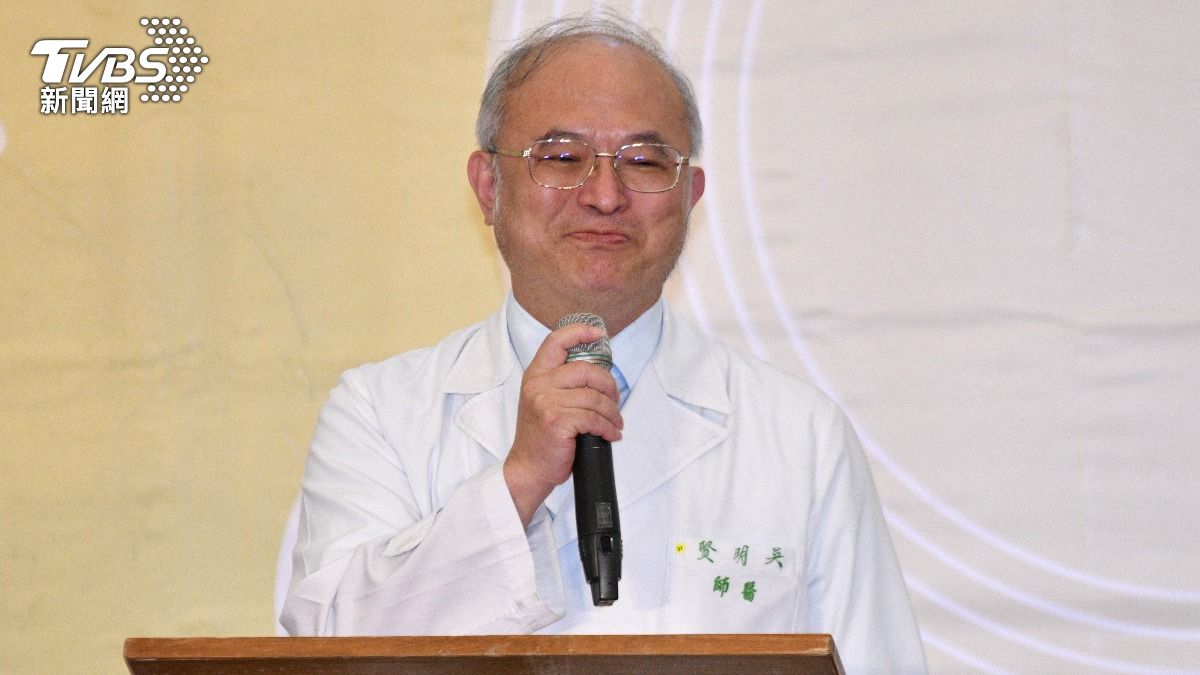
National Taiwan University College of Medicine (台大醫學院) Dean Wu Ming-hsien (吳明賢) supports the reform, emphasizing patient safety and medical quality. Speaking at the "2025 Smart Healthcare New Era—Technology Empowerment, Promoting National Health Forum" at National Taiwan University Hospital's Health Management Center, Wu stressed the importance of evaluations. He stated, "Healthcare Quality" and "Patient Safety" are key, adding that hospitals frequently undergo various assessment and should not fear them if performed well.
On Nov. 26, the Ministry of Health and Welfare reached a preliminary consensus with 40 medical groups, including establishing the "Direct Beauty" clause, requiring graduates after 2019 to receive comprehensive clinical medical training. Some groups, however, expressed concerns about evaluation monopolization by the Taiwan Joint Commission on Hospital Accreditation, recommending involvement from the Medical Association and specialty societies.
Director General of the Dept. of Medical Affairs, Liu Yueh-ping (劉越萍), stated that the ministry has requested related professional groups to submit proposal drafts within the week to ensure patient safety. This initiative marks a significant step toward enhancing medical care standards in Taiwan.