



Advantech brings AI out of the data center and into robots and factory machines
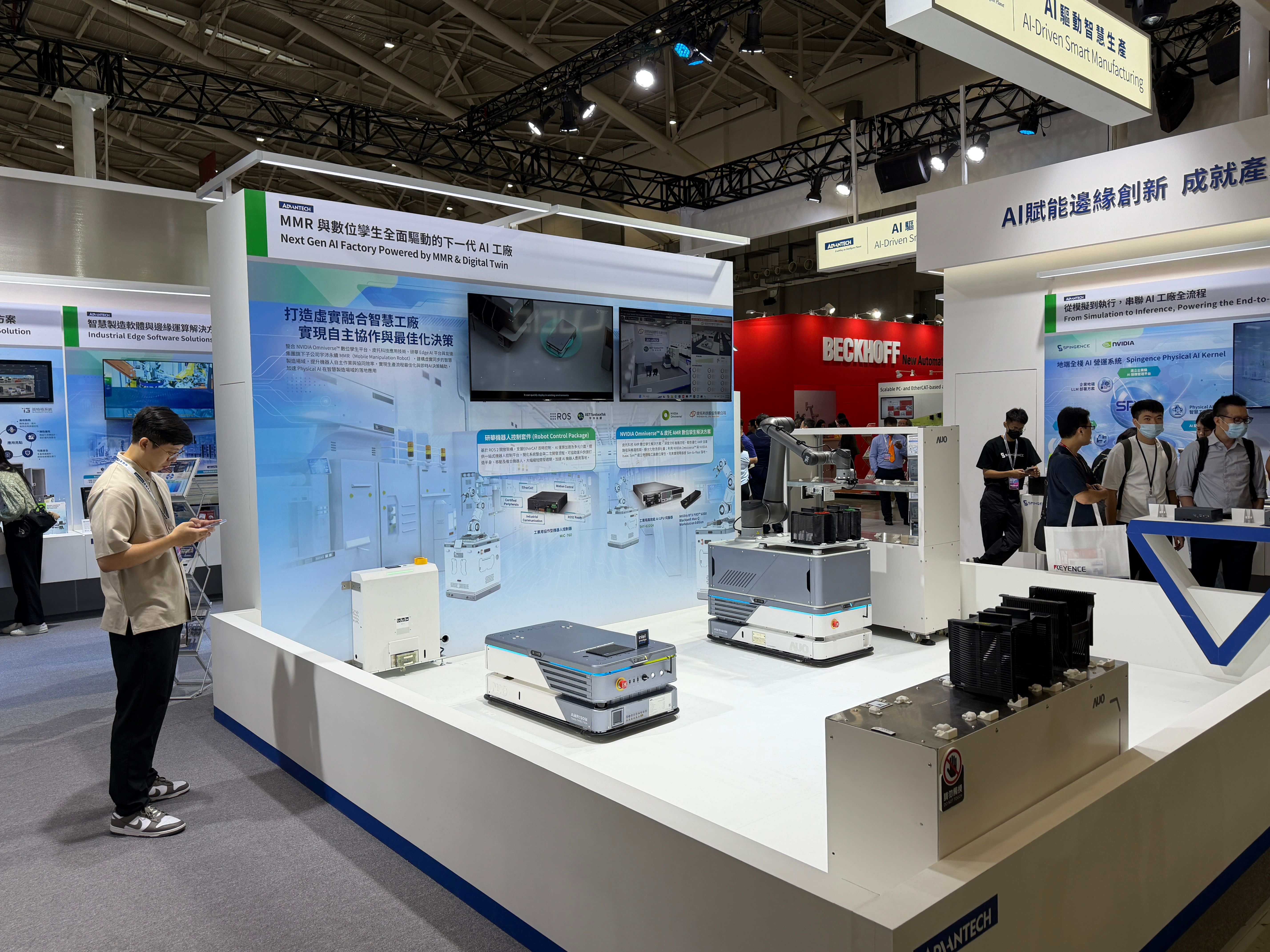
Advantech has spent decades supplying the industrial computers that operate factory equipment, medical devices, and transport systems. Those machines now need to interpret camera images, recognize problems, and respond to changing operating conditions. The Taiwan company is building its physical AI business around that need, pairing its computers with software that helps customers put AI to work outside data centers.
Physical AI gives machines the ability to perceive their surroundings and act on that information. A mobile robot, for example, must recognize obstacles and adjust its movements. Processing that information locally, known as edge computing, allows equipment to respond without waiting for a remote data center. Advantech supplies the computing platforms and integration tools needed to connect that intelligence to cameras, sensors, and machinery.
Its WISE-Edge Developer Architecture, or WEDA, is central to this approach. The software helps developers integrate AI applications with industrial hardware. At Computex and Automation Taipei 2026, Advantech demonstrated applications for electronics production and factory energy management, alongside robotics platforms using processors from Nvidia, Intel, AMD, and Qualcomm. Supporting several chip suppliers lets customers choose according to performance, power consumption, and application requirements.
In the AIR-075, Advantech combines Jetson Thor computing with connections for multiple cameras and WEDA software. Aimed at robotics and factory automation, it gives customers processing, connectivity, and software in one system they can incorporate into their own machines.
Camera integration is one of the engineering tasks that can slow deployment. Advantech’s UniCAM architecture, introduced on November 6, allows developers to combine cameras from different suppliers and synchronize their images, giving robots a consistent view from several angles. The company says the approach can shorten initial development from weeks to days.
Third-quarter 2026 revenue was a record NT$32.44 billion (approximately US$989 million), up 83% from a year earlier. Net profit rose 125% to NT$6.22 billion (US$190 million), or NT$7.15 per share. Advantech attributed the performance to demand for edge AI, semiconductor equipment, and smart healthcare, alongside increased ordering prompted by component shortages and rising prices.
October set another monthly sales record of NT$11.34 billion (US$346 million), up 88.4% year on year. Revenue for the first ten months reached NT$90.29 billion (US$2.75 billion), an increase of 53.1%. Management’s fourth-quarter revenue guidance of US$970 to US$990 million nevertheless points to some moderation after the record quarter.
Advantech’s advantage is that existing computers are already connected to the equipment customers want to automate. Adding AI processing, camera integration, and deployment software gives the company more to sell each customer as factories and other workplaces adopt more capable machines.
US$ conversions use an illustrative exchange rate of NT$32.8 per US$1.