



Dumplings symbolize wealth as Taiwan marks Lunar New Year
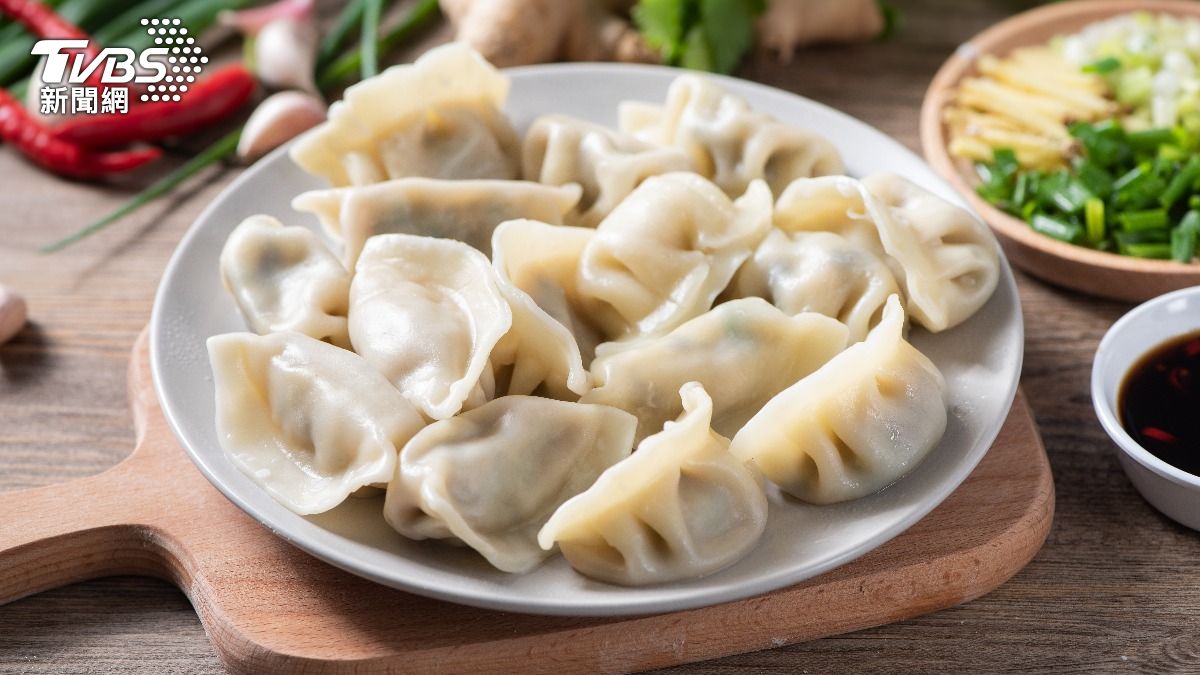
TAIPEI (TVBS News) — Dumpling sales surged across Taiwan as families prepared for Lunar New Year celebrations, with the traditional dish symbolizing wealth and fortune. The crescent-shaped delicacy resembles "Yuanbao" (元寶), an ancient form of Chinese currency, making it an essential part of festive meals. Vendors report a business boom driven by the belief that eating dumplings brings prosperity and good fortune in the coming year.
Chinese dumplings gained popularity in Taiwan in the 1950s following the Kuomintang (KMT, 國民黨), the Chinese Nationalist Party's, relocation to Taiwan and a large influx of immigrants from China. The dish dates back over 1,400 years and features fillings including pork, lamb, beef, shrimp, and fish. Preparation methods diversify dumplings into pan-fried and steamed varieties, with the tradition originating predominantly in Northern China.
Families traditionally prepare dumplings on Lunar New Year's Eve before 11 p.m. and consume them at midnight on the first day of the Lunar New Year. This ritual marks the transition from the old year to the new, symbolizing fresh beginnings. In some affluent households, historically, placing a clean coin inside a dumpling symbolized good luck and wealth for the coming year.
On the fifth day of the Lunar New Year, some families eat dumplings to welcome the God of Wealth, a traditional deity associated with prosperity. This practice symbolizes filling the gaps of the previous year's hardships and preventing illness in the year ahead. After this day, farming families historically begin preparing for spring plowing, signaling the end of New Year festivities and a return to normal life.
The act of making and eating dumplings together symbolizes family harmony and reunion during the Lunar New Year. On Lunar New Year's Eve, families gather to enjoy a lavish meal and share joyous moments, with dishes varying according to regional customs. As Taiwanese families prepare for the holiday with these rich traditions, the dumpling remains a cherished symbol of unity and hope for the future. ◼