



Taiwan Server Makers Aim to Bring AI Capacity Online Faster
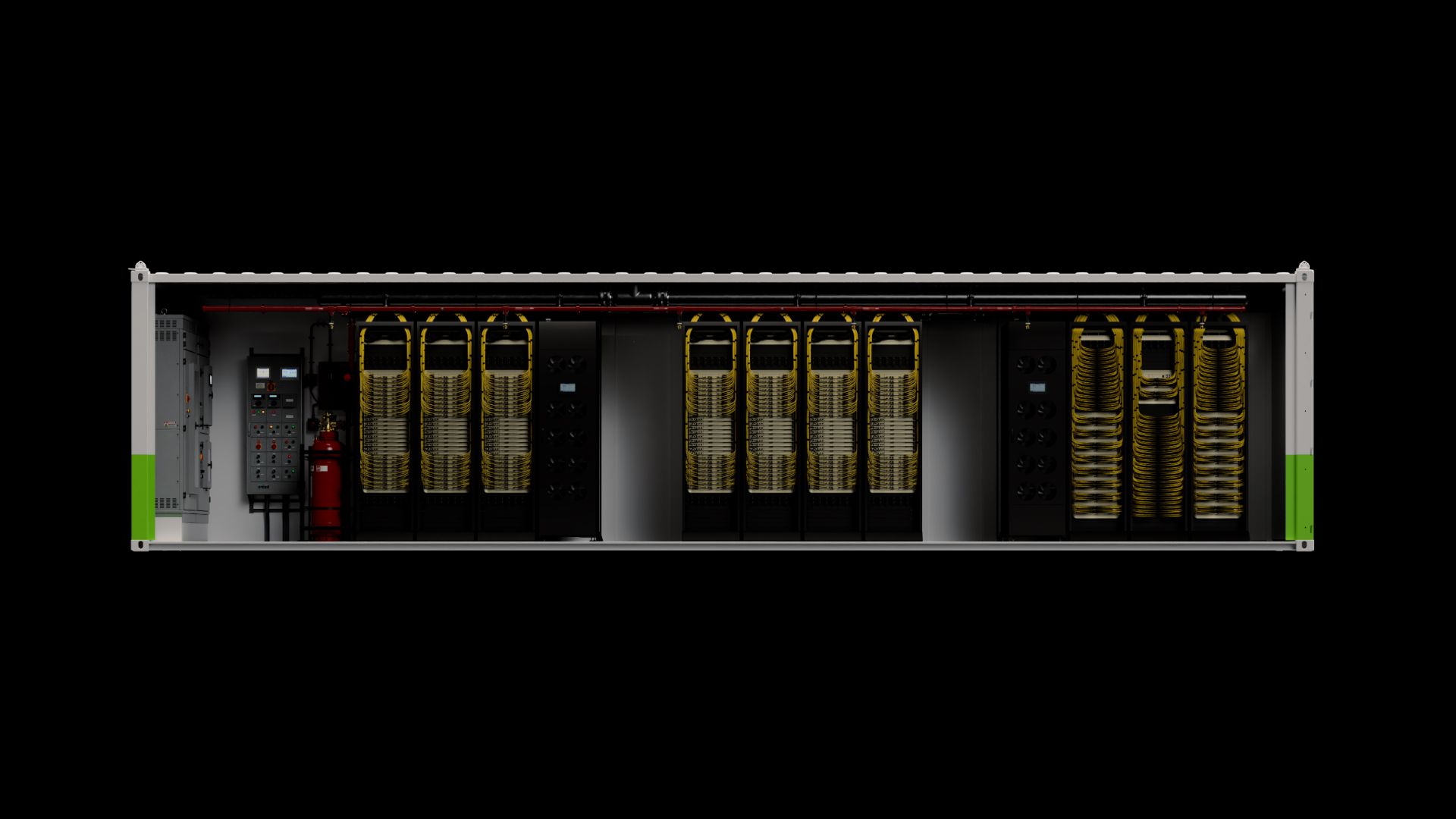
Expensive AI server racks cannot deliver value while engineers are still connecting equipment and resolving installation problems. Nvidia’s new DSX POD reference design aims to shorten that wait by moving more assembly and testing into factories before shipment. For Taiwan suppliers including Foxconn, Quanta Cloud Technology, Wistron, Gigabyte, Pegatron, and Delta, it creates an opportunity to help customers put AI capacity to work faster.
DSX POD is a blueprint for modular computing installations based on Nvidia’s Vera Rubin platform. Partners assemble servers, networking, power equipment, and liquid cooling inside transportable containers, then test them together before shipment. Nvidia expects deliveries to begin in early 2027 and says deployment could take as little as 14 days, compared with six months, at a site where electricity, cooling, and network connections are already available.
The commercial objective is to shorten the interval between infrastructure investment and productive operation. For cloud operators, this could mean selling AI training and inference services sooner. Enterprises could bring forward applications in engineering, research, and other operations. Faster deployment also helps customers respond to rising demand without waiting for lengthy installation work.
Manufacturers assemble and test the systems while customers prepare their sites, allowing both stages to proceed in parallel and shortening the path to operation. Testing the complete assembly also helps identify problems that individual equipment checks might miss. Servers can work separately but encounter difficulties when connected through shared networks or cooling systems. Resolving those issues before shipment reduces the risk of delays on site. Standardized production and testing procedures can then be repeated across multiple units, making expansion more predictable for customers developing several locations.
Gigabyte’s Giga Computing subsidiary is investing in the ability to test complete AI installations through its planned GAIFA computing center in New Taipei City. Announced in September, the facility is designed to evaluate computing performance, power requirements, cooling, networking, and compatibility before large deployments. Working through these questions with customers can improve equipment selection and reduce changes that would otherwise delay installation.
Delta approaches the opportunity from the infrastructure side. Its prefabricated AI modular data center solution integrates power equipment and three megawatts of liquid-cooling capacity into infrastructure blocks assembled and tested in the factory. Testing power and cooling together before delivery can reduce the integration work customers must complete before their AI systems enter service.
DSX POD gives Taiwan’s server industry a way to compete on the speed at which customers can commercialize AI capacity. For buyers, the potential reward is earlier revenue and faster returns on infrastructure spending. For Taiwan suppliers, it is a larger role in delivering the working systems behind those returns.