


ASE opens Kaohsiung Plant to boost AI chip packaging capacity
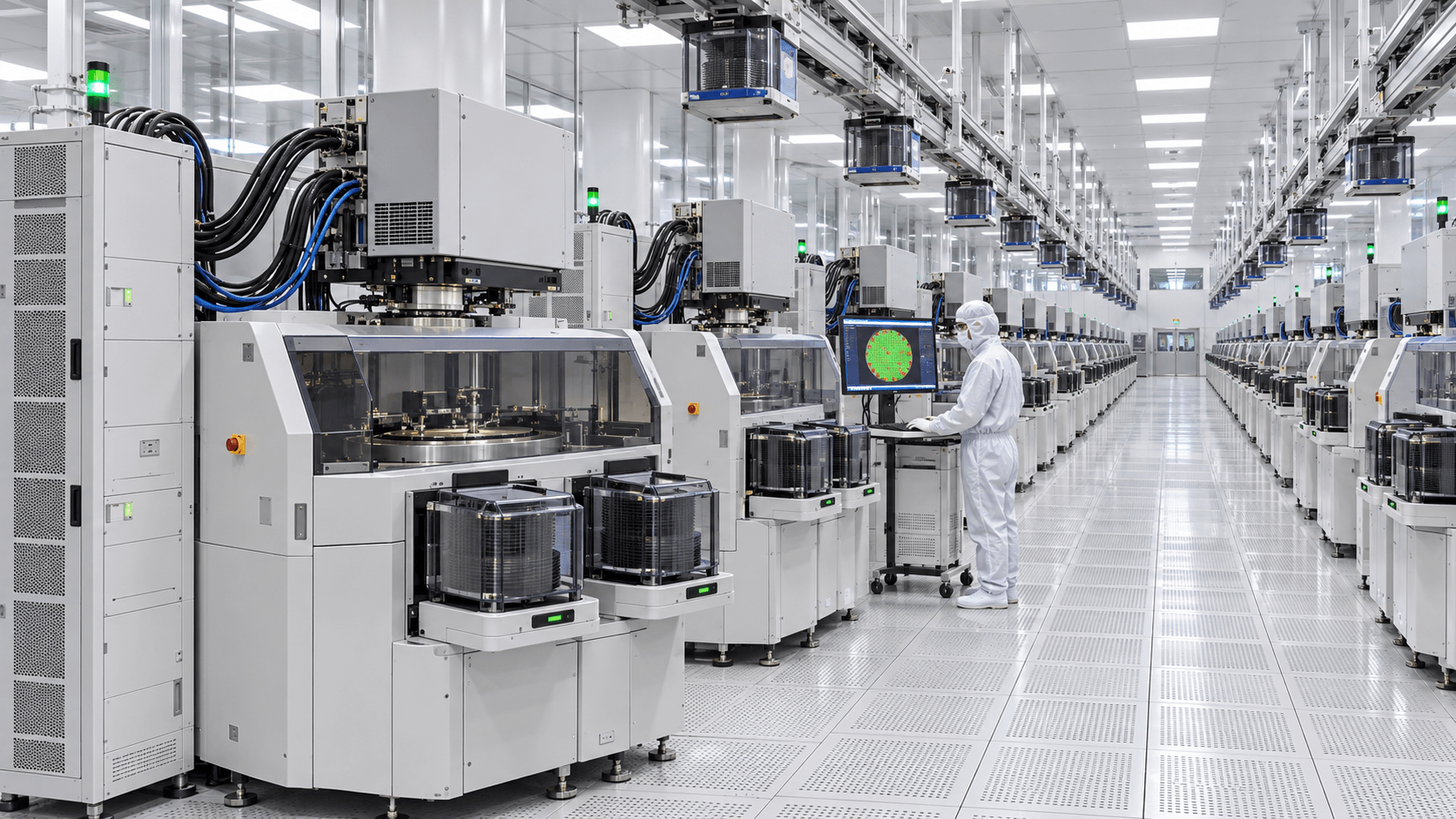
ASE opened the first phase of its Luzhu advanced packaging plant in Kaohsiung on November 13 and broke ground on the second phase the same day, as AI demand stretches its capacity. The two phases represent an expected total investment of NT$100 billion (approximately US$3.05 billion) by world’s largest outsourced chip packaging and testing group.
Once both phases reach full capacity, ASE forecasts annual revenue of approximately NT$80 billion (US$2.44 billion) and about 5,000 jobs. The site sits within the Kaohsiung section of Southern Taiwan Science Park and gives the company another another advanced packaging facility alongside its longstanding Nanzih operations.
Packaging has become central to AI computing performance. Modern accelerators combine processing chips and high-bandwidth memory in a single package, and the connections between those components determine how quickly they exchange data, how much power they consume, and how effectively they work together. Every increase in advanced wafer output requires matching investment in the factories and equipment that assemble those chips into usable products.
For the first phase, ASE acquired existing factory buildings and supporting facilities for NT$6.5 billion (US$198 million), adapted the site, and installed production lines to accelerate the project. The opening puts Luzhu into operation, while providing a base of production experience, employees, and suppliers for the second phase.
At its October earnings briefing, the group raised its 2026 capital expenditure budget by US$1 billion to US$11.5 billion. It also lifted its 2026 forecast for leading-edge assembly and testing revenue to more than US$4 billion and expects that business to double in 2027. Management said customer demand would continue to exceed capacity next year.
In the second phase, ASE plans controls to reduce small vibrations, which can disturb the fine alignment that advanced packaging depends on, and separate buildings for specialty-gas supply, hazardous-material management, and wastewater treatment. The aim of this arrangement is to reduce interference between facilities and isolate risks, while leaving room for further expansion.
Luzhu extends ASE’s manufacturing network northward from Nanzih and strengthens its connections with southern Taiwan’s wafer fabrication, equipment, and materials businesses. For complex packaging projects, proximity makes it easier for suppliers and production teams to coordinate equipment installation, resolve process problems, and support manufacturing changes.
Chief financial officer Joseph Tung said on the October call that factory space remains ASE’s biggest bottleneck and that the company is looking for more existing plants to acquire. Luzhou adds space both ways, with a converted factory now in operation and a new one under construction beside it.
US$ conversions use an illustrative exchange rate of NT$32.8 per US$1.