



Taiwan's PC makers bring AI Agents and robots to Healthcare+ Expo
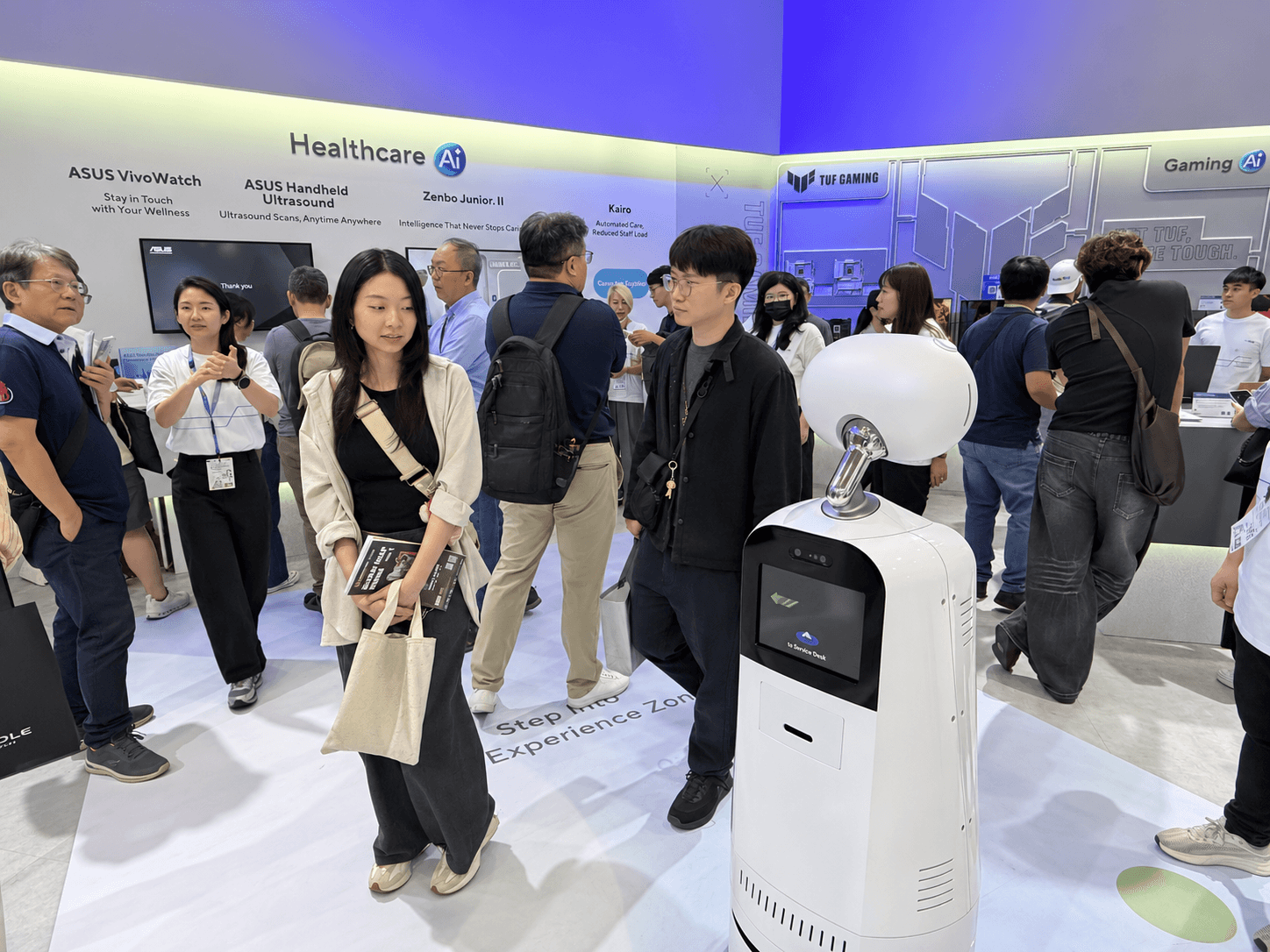
Taiwan's computer makers are coming to next week's Healthcare+ Expo Taiwan with robots, AI agents, and software that coordinates them inside hospitals. The tenth edition runs December 3 to 6 at Taipei's Nangang Exhibition Center. Exhibitors' announcements over the past two weeks show companies built on PCs and servers applying the same skills to wards, pharmacies, and operating rooms.
Asus will show Maestro, a control hub that connects AI agents, hospital information systems, and robots and smart devices from different brands through standard software interfaces. Its theme is "One Hospital. In Sync." The company has built a virtual hospital in Nvidia Isaac Sim to demonstrate admission, patient education on the ward, and guidance to examinations. When a device is busy or a corridor is blocked, Maestro reassigns the task or calls a staff member to take over.
Compal will exhibit PolyMedX, its smart-hospital robotics platform, and host the awards for an AI innovation contest it runs with the National Science and Technology Council. This year's contest drew 435 proposals. One winning team, from Taipei Veterans General Hospital, uses AI to dispense medicine and autonomous mobile robots to deliver it. Compal's subsidiary Aco Healthcare will scan visitors live with Apache neo, a wireless handheld ultrasound that has US FDA clearance.
Software and robotics specialists will exhibit alongside the computer firms. Ubitus will show AI virtual humans, Kebbi companion robots, and mobile robots that an AI agent sends to guide visitors or fetch items. Its computing runs on Nvidia hardware from the DGX Spark desktop system to HGX B200 and B300 servers, installed inside the hospital. Aiello will demonstrate an AI call agent and staff-dispatch system that works in more than 50 languages, and imedtac will bring its ORber robots, which carry medicine and supplies between departments.
Other exhibitors are presenting projects developed with hospitals. ACE Biotek will show a smart ophthalmology system with Mackay Memorial Hospital, a surgical anesthesia system with Shin Kong Wu Ho-Su Memorial Hospital, and MiR robots for hospital logistics. Qisda is bringing 17 group companies covering sports medicine, clinical equipment, and pharmacy, including a drone drug-delivery trial to the island of Xiaoliuqiu that has logged more than 100 flights and 1,700 kilometers.
The common thread of these exhibits is intergration. A hospital runs equipment from many suppliers, and the value lies in getting it all to operate as one system. Taiwan's manufacturers have decades of practice at that, having built reliable computers from other companies’ processors, boards, and components. The expo supplies the other ingredient. More than 600 organizations are expected, and hospitals attend as developers as well as buyers, which gives exhibitors the clinical partners they need to move from show-floor demonstration to working ward.