


Taiwan Power budget cuts could harm citizens, MOEA warns
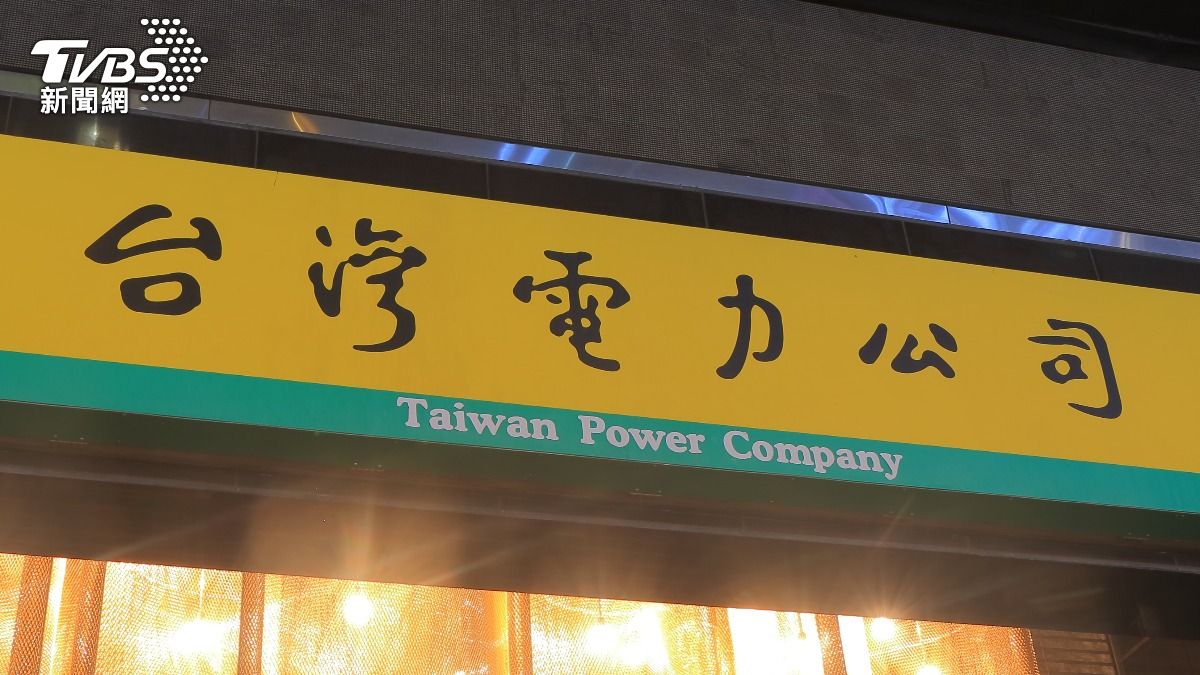
TAIPEI (TVBS News) — The Ministry of Economic Affairs (MOEA, 經濟部) warned on Monday (Jan. 20) that cutting the budget for Taiwan Power Company (台電) could negatively impact citizens in three major ways. The Legislative Yuan (立法院) discussed the 2025 central government budget on Monday.
Deputy Economic Minister Lien Ching-chang (連錦漳) urged rational budget review during an Executive Yuan (行政院) press conference, stressing that budget cuts would severely affect Taiwan Power's finances and its ability to subsidize household electricity prices.
Taiwan Power Company reported an accumulated loss exceeding NT$420 billion by the end of 2024, with a debt ratio of 93%, hindering its subsidy capabilities. Due to government and Taiwan Power subsidies, Lien noted that Taiwan's electricity prices remain lower than those in South Korea, France, the U.K., and Germany. He emphasized the need for the public to consider Taiwan Power's future operational status.
The ministry highlighted that financial issues could affect equipment investment, recalling that in 2012, losses led to a record 21,000 power outages. Although Taiwan Power reduced outages to 7,000 last year, outdated equipment still threatens supply stability. The ministry also noted that frozen Energy Administration (能源署) budgets would impact energy-efficient appliance subsidies and corporate energy conservation guidance, potentially affecting Taiwan's international competitiveness.
MOEA called on all sectors to support Taiwan Power and government officials in better serving Taiwan's interests. The ongoing budget discussions in the Legislative Yuan will be crucial in determining Taiwan Power Company's future financial stability and operational capacity.