



Zhen Ding builds on smartphone roots as AI PCB demand accelerates
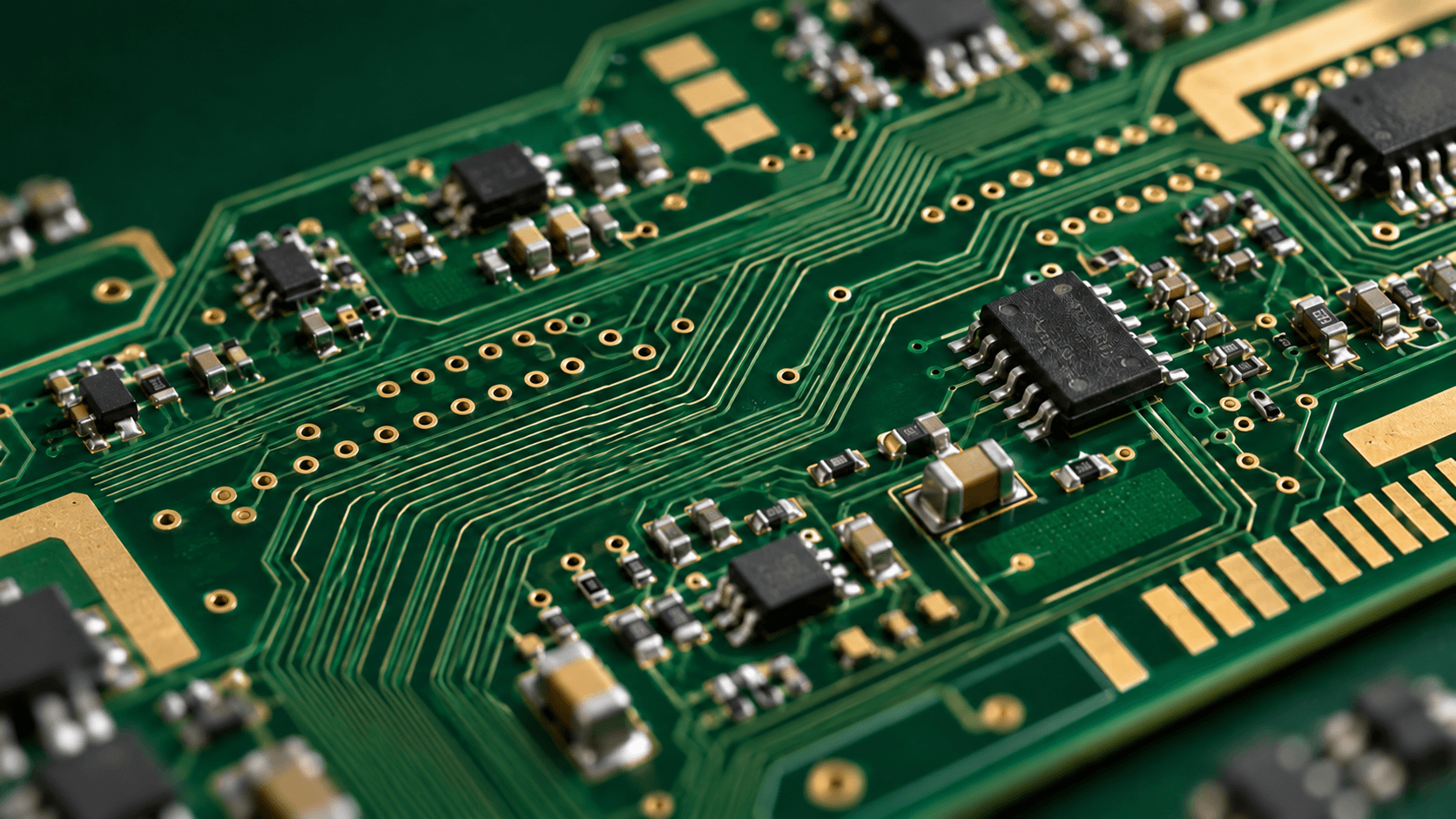
Zhen Ding Technology is turning its experience supplying circuit boards for mobile devices into a larger role in AI infrastructure. The Taiwan manufacturer reported record October revenue of NT$27.20 billion (about US$832 million), up 40% from a year earlier. Alongside smartphone demand, servers, optical communications, and chip substrates are becoming increasingly important sources of growth.
Sales for the first ten months reached NT$180.98 billion (US$5.53 billion), up 24.75% and already approaching the company’s entire 2025 revenue. Server boards, optical-module boards, and IC substrates together contributed more than 28% of October sales, compared with 11.7% across the full previous year. Zhen Ding expects fourth-quarter revenue to be its highest of 2026.
The company’s growth predates the AI boom. Established in 2006 as Foxconn Advanced Technology, it adopted the Zhen Ding name and listed in Taiwan in 2011. Flexible circuit boards, which bend to connect components inside compact electronic devices, became an important foundation of its business. It subsequently broadened its portfolio across rigid boards, increasingly dense interconnections, and semiconductor substrates. According to electronics industry research firm Prismark, Zhen Ding has ranked as the world’s largest PCB manufacturer by revenue since 2017.
Printed circuit boards provide the electrical pathways connecting processors, memory, and other components within electronic equipment. IC substrates perform a more intricate connecting role inside semiconductor packages, linking chips to the larger circuit board. AI systems require both to carry more signals at higher speeds, often through finer wiring and more complex structures.
That creates several opportunities for Zhen Ding. It supplies boards for AI servers and networking equipment, as well as the optical modules that support fast data connections. The company is expanding production for 1.6-terabit-per-second optical modules and developing products for subsequent generations. Management aims to become the largest supplier of high-end optical-module PCBs in 2027, with customers already reserving capacity.
The shift toward higher-value products helped lift first-half profits. First-half revenue rose 13.9% to NT$89.16 billion (US$2.73 billion), while net profit attributable to shareholders increased 208.5% to NT$3.82 billion (US$117 million). Earnings per share reached NT$3.55. Server, optical-module and substrate revenue grew 113%, accounting for 21.6% of sales during that period.
To support this griwth, Zhen Ding plans more than NT$80 billion (US$2.45 billion) in capital expenditure during 2026 and expects investment to remain elevated through 2028. Spending targets advanced substrates, optical-module boards, and other high-density products, with new capacity entering production in stages.
The wider PCB and substrate market is also changing. AI demand is drawing investment toward specialized glass fabrics, copper foils, and resins needed for demanding applications. A supply-chain review published by industry association EIPC describes tightening availability and longer delivery times as materials producers redirect capacity. This can affect conventional boards as well as advanced products, making access to qualified materials increasingly important.
For Zhen Ding, smartphones remain a substantial business, while AI adds demand across several layers of computing infrastructure. Its investment program seeks to capture more of that spending, from the substrate beneath a processor to the boards connecting servers and high-speed networks.
US$ conversions use an illustrative rate of NT$32.7 per US$1.