



Taiwan scientists turn coffee waste into building materials
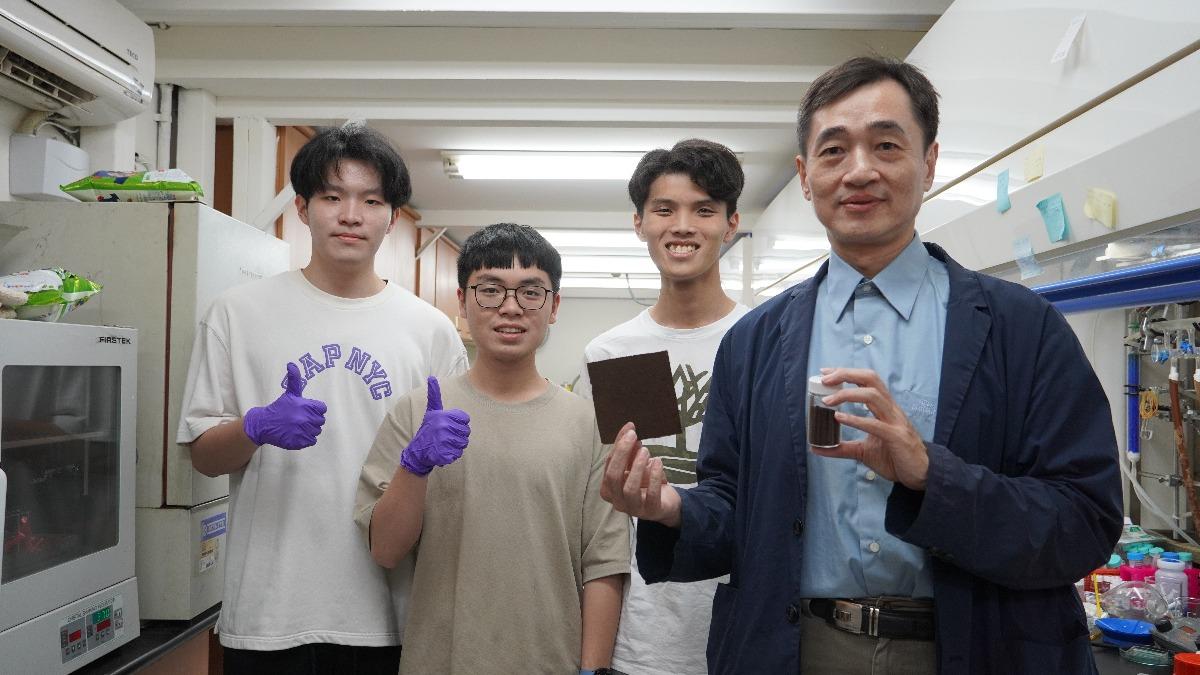
TAIPEI (TVBS News) — Scientists at National Taiwan University of Science and Technology (NTUST, 台灣科技大學) unveiled Monday (June 2) a revolutionary discovery that transforms everyday coffee waste into high-performance building materials. The breakthrough technology converts discarded coffee grounds into innovative construction products featuring soundproofing, deodorizing, and environmentally sustainable properties.
Professor Chen Jem-kun (陳建光) from the Department of Materials Science and Engineering emphasized the unique natural porous structure inherent in coffee grounds. This microscopic architecture effectively absorbs sound waves while delivering multiple additional benefits including deodorization, moisture control, and natural insect resistance properties. Chen explained that coffee ground-based materials offer significant cost advantages and environmental benefits over conventional soundproofing products. The professor noted their successful development of green soundproofing materials following two years of intensive research and experimentation.
NTUST officials revealed in a statement that global coffee consumption generates 7.63 million metric tons of coffee grounds annually. Most of this substantial waste stream currently ends up as compost, creating an environmental burden for waste management systems worldwide. The research team at Taiwan Tech has concentrated their efforts on upgrading this massive waste stream for beneficial reuse applications. Their innovative approach addresses both environmental sustainability and resource optimization challenges.
The research team engineered an innovative manufacturing process that eliminates the need for industrial adhesives entirely. Their streamlined single-step hot pressing method efficiently creates high-performance sound-absorbing panels directly from coffee grounds. Chen elaborated that these environmentally sustainable soundproof materials have versatile applications across residential, office, studio, and cinema environments. The innovative materials can help buildings achieve green carbon reduction standards and sustainability certification requirements.
Future implementation could establish local collection and production networks that transform urban coffee shop waste into regional renovation materials. This circular economy approach would promote comprehensive resource recycling while advancing the sustainable green building materials industry ◼