



Taiwan dollar strengthens as economy shows resilience
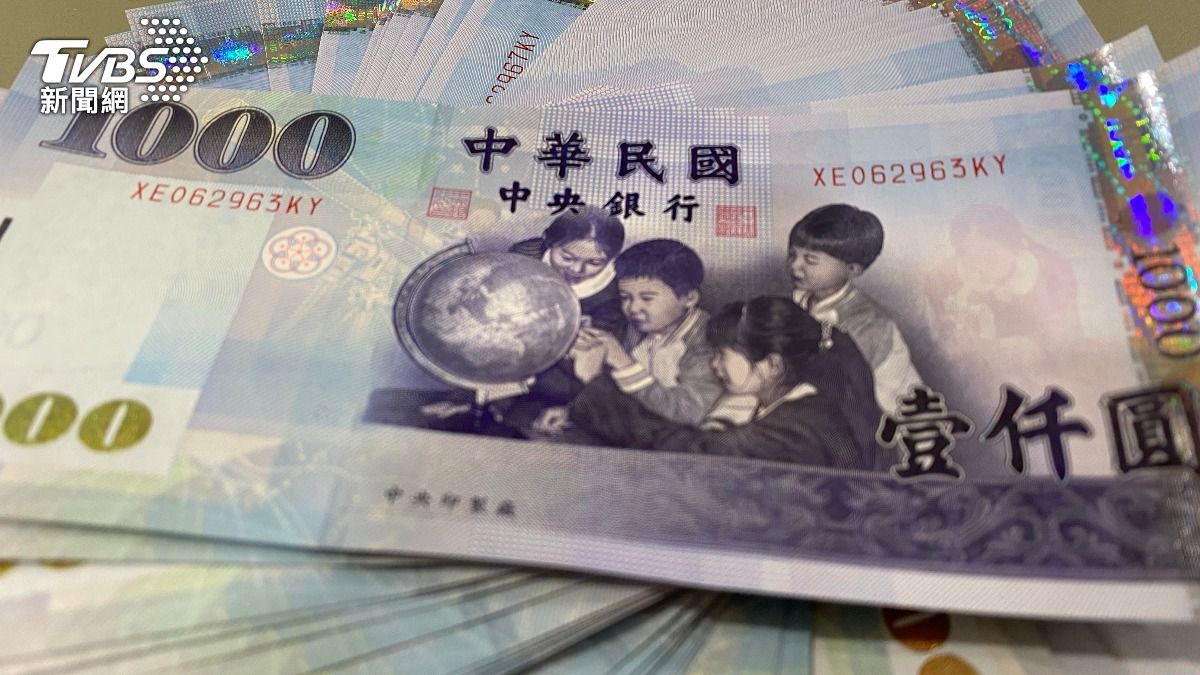
TAIPEI (TVBS News) — Taiwan's Central Bank (央行) declared Monday (June 2) that the New Taiwan dollar (NTD) exchange rate has achieved recent stability, with market forces of supply and demand serving as the primary determinants. The monetary authority emphasized the natural market mechanisms governing currency valuation in Taiwan's foreign exchange system.
Central Bank officials noted that the NTD has strengthened significantly against the U.S. dollar throughout the current year. This appreciation reflects Taiwan's robust economic performance and favorable market conditions. The Central Bank issued a comprehensive statement outlining multiple factors that influence exchange rate dynamics. These include trade surpluses, fiscal budget positions, and monetary policy decisions, with particular emphasis on frequent international capital movements affecting currency markets.
The monetary authority also emphasized the U.S. dollar's continued dominance as a major international reserve currency. This status persists despite market uncertainties that emerged during the Trump administration's economic policies and trade initiatives. U.S. Treasury Secretary Scott Bessent recently affirmed that the Trump administration maintains its commitment to a strong dollar policy. The Secretary explicitly denied the existence of any undisclosed currency agreements or arrangements.
The Central Bank highlighted the exceptional depth and liquidity of U.S. Treasury markets, which make them attractive investment vehicles for global investors. These characteristics also establish Treasury securities as preferred collateral in international lending agreements and financial contracts. Advanced economies beyond the United States maintain treasury markets that, while less robust than American markets, still provide meaningful liquidity. These alternative markets serve as valuable diversification options for international investors seeking portfolio balance.
Market data through May 29 revealed the U.S. dollar index declined 8.49%, while Taiwan's NTD surged 9.53% against the dollar. These movements demonstrate Taiwan's solid economic fundamentals and enhanced purchasing power in international markets. The Central Bank reaffirmed its fundamental position that market supply and demand forces determine NTD exchange rate movements. This market-oriented approach reflects Taiwan's commitment to flexible currency policy frameworks.
The monetary authority remains prepared to maintain the NTD's dynamic stability when market volatility poses risks to economic and financial stability. This balanced approach ensures currency flexibility while protecting Taiwan's broader economic interests ◼