



Taiwan launches second indigenous satellite via SpaceX
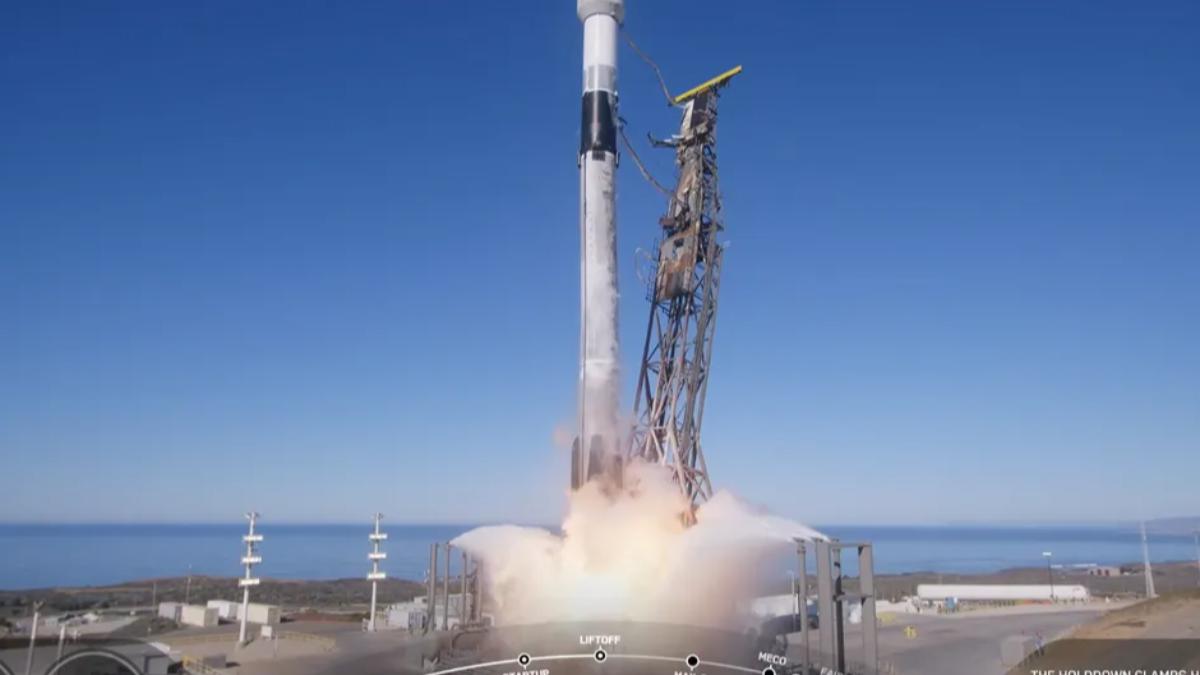
TAIPEI (TVBS News) — Taiwan's burgeoning space program reached another milestone as the Taiwan Space Agency (TASA, 國家太空中心), the island's national space organization, successfully deployed its latest domestically manufactured miniature satellite early Monday (June 24). The PARUS-T2 (山雀T2) CubeSat soared into orbit aboard a SpaceX Falcon 9 rocket launching from Vandenberg Space Force Base in California. The precision launch occurred at 5:25 a.m. Taiwan time, marking the second TASA-developed satellite to reach orbit this year and highlighting the self-governing island's growing capabilities in indigenous space technology development.
According to a statement released by TASA officials, the primary objective of the PARUS-T2 mission centers on validating the performance enhancements of the redesigned CubeSat chassis and conducting rigorous reliability experiments in the harsh environment of space. The shoebox-sized satellite successfully reached its designated low Earth orbit at an altitude of 621 kilometers approximately 136 minutes after liftoff. Engineers confirmed the satellite's operational status when it established its first communication link with an international ground station two hours after reaching orbit. The agency has scheduled the initial contact with Taiwan's domestic tracking station for 10 p.m. (June 24) Taiwan time.
The space agency detailed that PARUS-T2, designed with an operational lifespan of 12 months, represents a significant technological advancement over its predecessor, PARUS-T1 (山雀T1), which was deployed into orbit just five months earlier in January. Engineers have implemented substantial upgrades to critical systems, including the onboard computer architecture, power management subsystems, battery capacity, and Global Navigation Satellite System (GNSS) receiver technology. TASA officials emphasized that the mission serves a dual purpose: validating the enhanced system design while simultaneously advancing Taiwan's capabilities to produce reliable satellite platforms that can support both academic research initiatives and commercial applications.
Looking toward future missions, TASA officials revealed plans for the next satellite in their expanding constellation. The PARUS-6U1, a more advanced iteration in the series, is scheduled for deployment in October aboard SpaceX's Transporter 15 rideshare mission. Agency representatives explained the symbolic significance behind the program's nomenclature, noting that PARUS derives its name from Taiwan's endemic bird species, the Taiwan Varied Tit (赤腹山雀). The choice reflects the island nation's distinctive approach to space exploration — small but agile, indigenous to Taiwan, and embodying the country's technological ambitions and innovative spirit in the increasingly competitive domain of space development. ◼