



U.S. reciprocal tariffs prompt Taiwan unemployment concerns
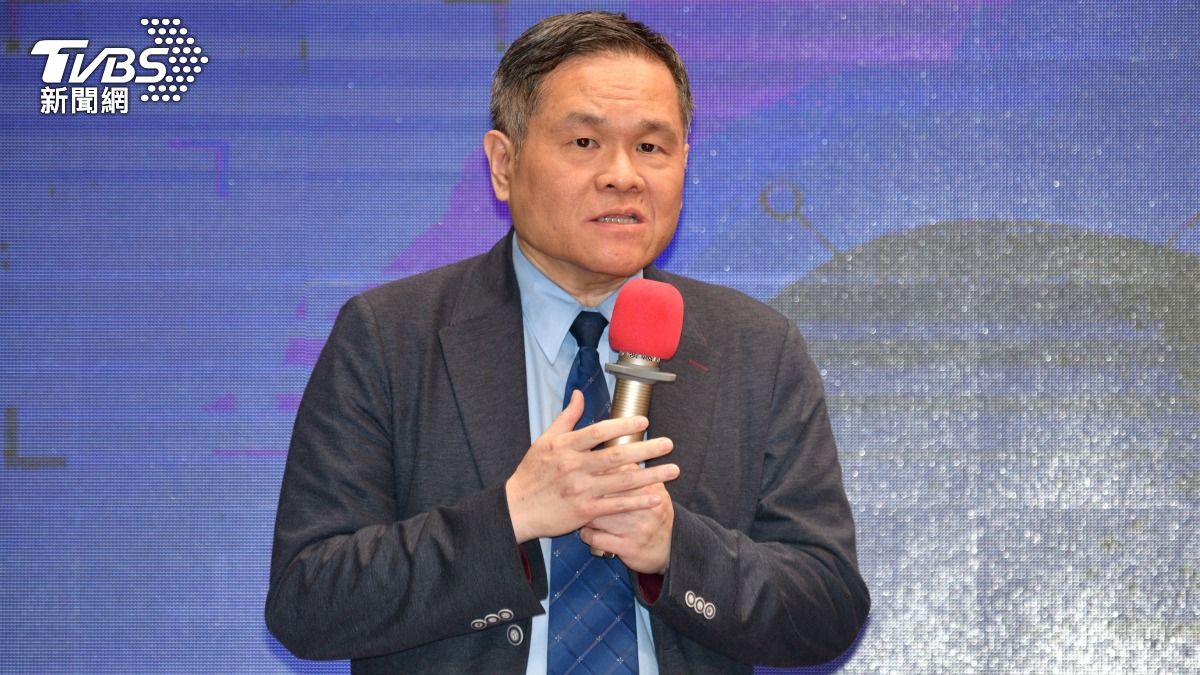
TAIPEI (TVBS News) — Taiwan's cabinet confirmed Monday (Aug. 11) the implementation of U.S. reciprocal tariffs adding 20% to existing trade levies, prompting urgent government response measures. The Ministry of Labor's Deputy Minister Lee Chien-hung (李健鴻) addressed mounting economic concerns during an afternoon press conference as officials scramble to mitigate potential workforce disruptions. The new tariff structure threatens to reshape Taiwan's export-dependent economy amid escalating trade tensions.
Lee warned the tariffs could push 42,000 workers into unemployment or reduced hours, highlighting the policy's severe economic impact. Current data shows 3,397 workers already face reduced hours, though this represents a decrease of 45 since July 30. The government now allows affected workers to simultaneously apply for wage difference subsidies and job training support programs.
Taiwan's cabinet unveiled comprehensive unemployment countermeasures featuring streamlined processes and integrated employer support systems to address the mounting crisis. The initiative includes direct employment subsidies incentivizing businesses to hire displaced workers amid the economic uncertainty. Lee emphasized the government maintains robust contingency plans ready for implementation should labor market conditions deteriorate further.
Vice Premier Cheng Li-chun (鄭麗君) directs a specialized task force monitoring the tariff's economic ramifications across Taiwan's industrial sectors. The team documented 183 businesses currently operating with reduced hours, marking a seven-company decrease since Aug. 1. Officials consider boosting wage difference subsidies from 50% to 70% while potentially expanding industry eligibility for government support programs. ◼