


Taiwan’s largest shipbuilder announces strategic overhaul
TAIPEI (TVBS News) — Taiwan's state-owned shipbuilder CSBC (台船) unveiled strategic reforms Wednesday (Sept. 17) under newly appointed chairman Jeng-Horng Chen (陳政宏). Chen announced in his inaugural media appearance that while the company's core development direction remains unchanged, CSBC will deepen, broaden, and accelerate reforms to capitalize on emerging opportunities. The leadership transition signals a pivotal moment for Taiwan's largest shipbuilding enterprise as it navigates evolving defense and commercial maritime markets.
CSBC currently commands an impressive order book worth NT$1.3 trillion (around US$43.3 billion), providing business visibility extending to the second quarter of 2030. General Manager Tsai Kun-tsung (蔡坤宗) revealed the company expects profitability next year despite recording NT$2.5 billion (around US$83.3 million) in losses through August, primarily attributed to exchange rate fluctuations. The shipbuilder targets ambitious annual revenue of NT$30 billion to NT$35 billion (around US$1 billion to US$1.17 billion) moving forward.
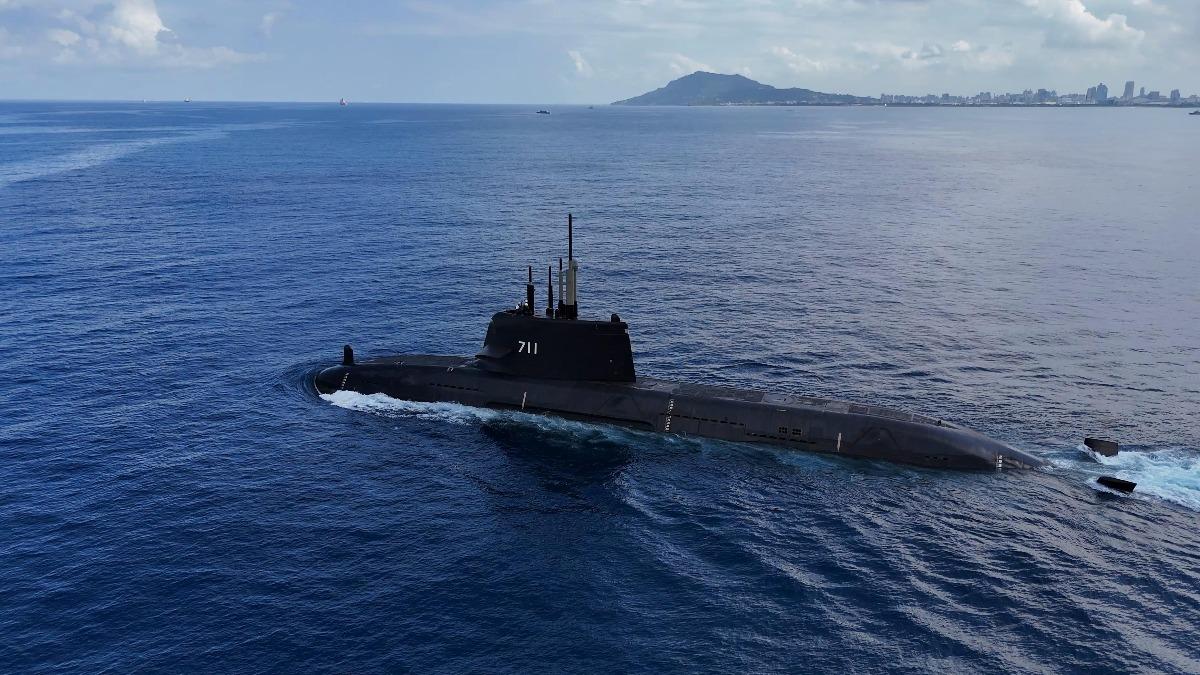
CSBC plans to establish a dedicated production line for developing seven additional Indigenous Defense Submarines (IDS) by 2038, expanding Taiwan's domestic submarine capabilities. The shipbuilder has secured multiple commercial contracts with major shipping companies Wan Hai Lines (萬海) and China Maritime Transport (中航), providing robust order visibility through 2030. These strategic partnerships position CSBC at the intersection of Taiwan's defense modernization and commercial maritime expansion efforts.
CSBC intends to accelerate smart shipyard development, strategically addressing recruitment challenges posed by Taiwan's declining birth rates and leveraging artificial intelligence trends. The company's diversified portfolio encompasses shipbuilding, ship repair, submarines, and surface vessels while expanding into heavy machinery operations both on land and at sea. This technological modernization represents CSBC's response to demographic shifts and evolving industrial automation demands across Taiwan's manufacturing sector.
Chairman Chen emphasized CSBC's continued alignment with government policies on the Indigenous Defense Submarine program while developing dual-fuel ship technology to capitalize on green energy trends. China Maritime Transport commissioned CSBC to construct two new-generation 210,000-ton capesize bulk carriers with options for two additional vessels. Wan Hai Lines signed a letter of intent for 12 new 8,000 TEU methanol dual-fuel container ships, also with options for four more vessels. ◼ (At time of reporting, US$1 equals approximately NT$30.014)