



Taiwan health officials warn of disease risks after typhoon
TAIPEI (TVBS News) — Taiwan's Centers for Disease Control (CDC, 衛生福利部疾病管制署), the health ministry's disease control agency, issued typhoon health warnings Tuesday (Sept. 23) as Typhoon Ragasa (颱風樺加沙) brought flooding. Officials urged residents to follow disease prevention measures after the storm unleashed powerful winds and heavy rain. The CDC emphasized preventing post-typhoon disease outbreaks in affected areas.
The CDC reported 62 domestic melioidosis cases, 56 leptospirosis cases, and 12 dengue fever cases this year in a press release. Melioidosis cases reached the third-highest level for this period historically. Officials urged citizens to implement a three-step disease prevention strategy following the typhoon.
The first prevention step requires being fully-equipped against bacteria in soil and mud. The CDC warned melioidosis bacteria could be present in flood debris. Officials advised chronically ill individuals to stay indoors and wear masks while recommending protective gear during cleanup to prevent leptospirosis infections from rusty nails.
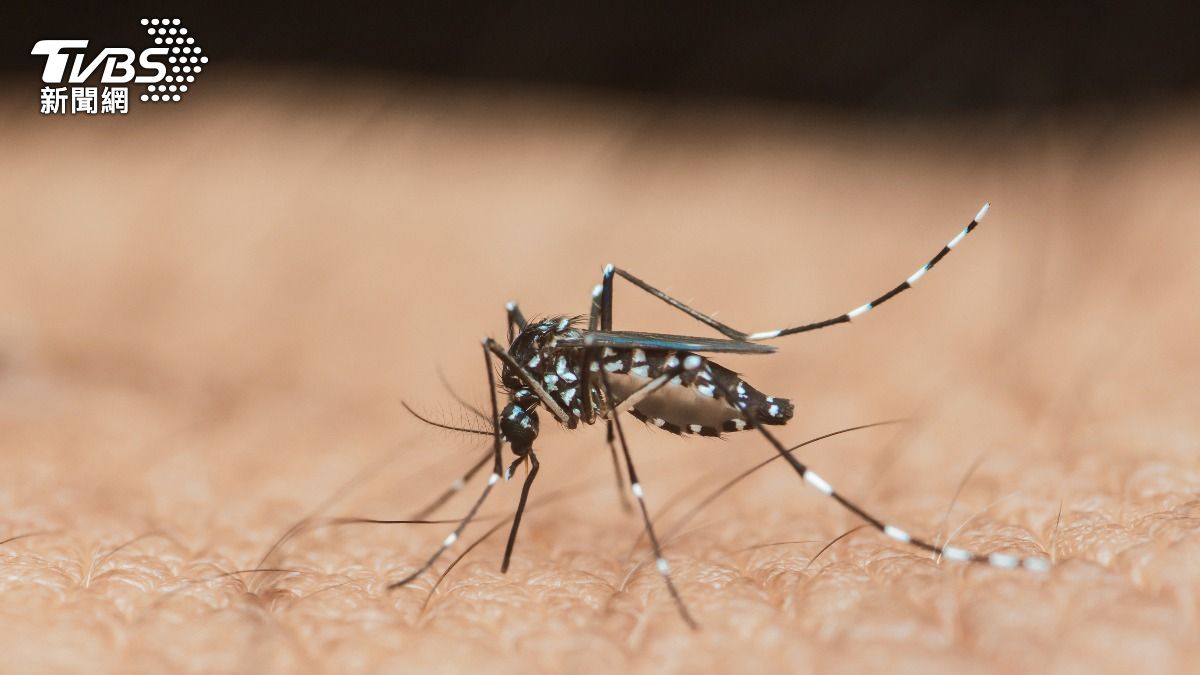
The second step eliminates mosquito breeding sources during the critical week following storms when dengue fever spreads rapidly. The CDC urged residents to inspect surroundings and remove standing water and waste that attracts mosquitoes. Officials emphasized this proactive approach prevents dengue fever outbreaks in post-storm environments.
The final step involves careful dietary precautions in flood-affected areas where water contamination poses health risks. The CDC advised cleaning and disinfecting water reservoirs while boiling water before consumption. Officials recommended avoiding foods soaked or thawed for extended periods to prevent waterborne diseases. ◼