



Taiwan’s National Health Insurance gets 6.5% budget increase
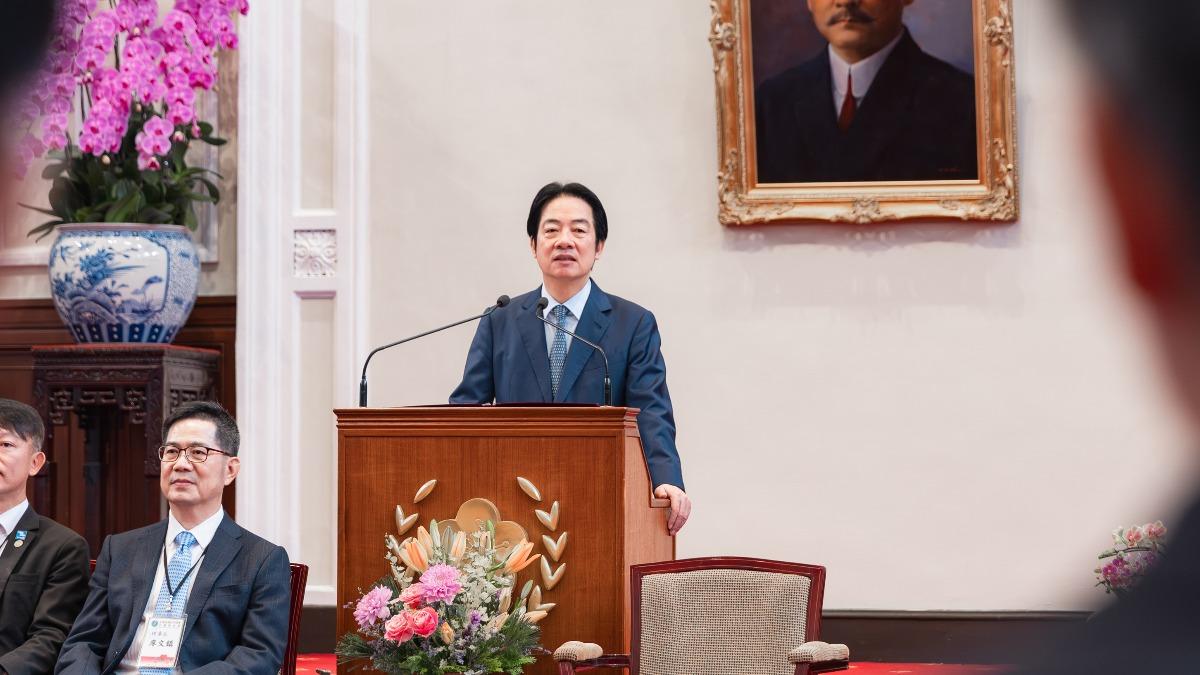
TAIPEI (TVBS News) — President Lai Ching-te (賴清德) announced Monday (Nov. 24) Taiwan's National Health Insurance budget will increase by NT$59.7 billion (around US$1.9 billion) to reach NT$988.3 billion next year. The total effective budget will reach NT$1.0082 trillion with additional NT$19.9 billion (around US$634 million) in government funding. This represents a 6.5% budget increase supporting enhanced care, chronic disease management, and digital transformation.
Lai noted that medical clinics face significantly increased responsibilities as Taiwan rapidly transitions into a super-aged society with growing healthcare demands nationwide. The president specifically urged clinics to strengthen community ties, engage in comprehensive health screenings, and collaborate closely with local health departments for improved public health outcomes. Over 3,100 clinics and 5,200 doctors currently participate in the Ministry of Health and Welfare's (衛生福利部) metabolic syndrome prevention program, demonstrating strong grassroots healthcare engagement.
Lai, a physician by training, specifically requested the Ministry of Health and Welfare implement the comprehensive "10 Strategies to Optimize Healthcare Environment" (優化醫療環境,確保全民健康10大策略) to expand funding significantly. The comprehensive strategy specifically aims to significantly improve healthcare worker conditions and working environments across Taiwan's entire medical system. These substantial investments clearly reflect the government's strong commitment to supporting Taiwan's comprehensive healthcare system transformation and modernization.
Medical clinics and hospitals will receive staggered operational bonuses ranging from 30% to 100% of their standard operating costs during the nine-day Lunar New Year holiday period to ensure continuous coverage. Lai expressed sincere gratitude to the Taiwan Medical Clinics Association (中華民國診所協會全國聯合會) for effectively serving as a crucial bridge between the government and grassroots healthcare providers. The president pledged continued strategic resource allocation to stabilize medical services and advance medical technology and digital transformation initiatives. ◼