



BizLink moves beyond cables to power, optics, and rack structures
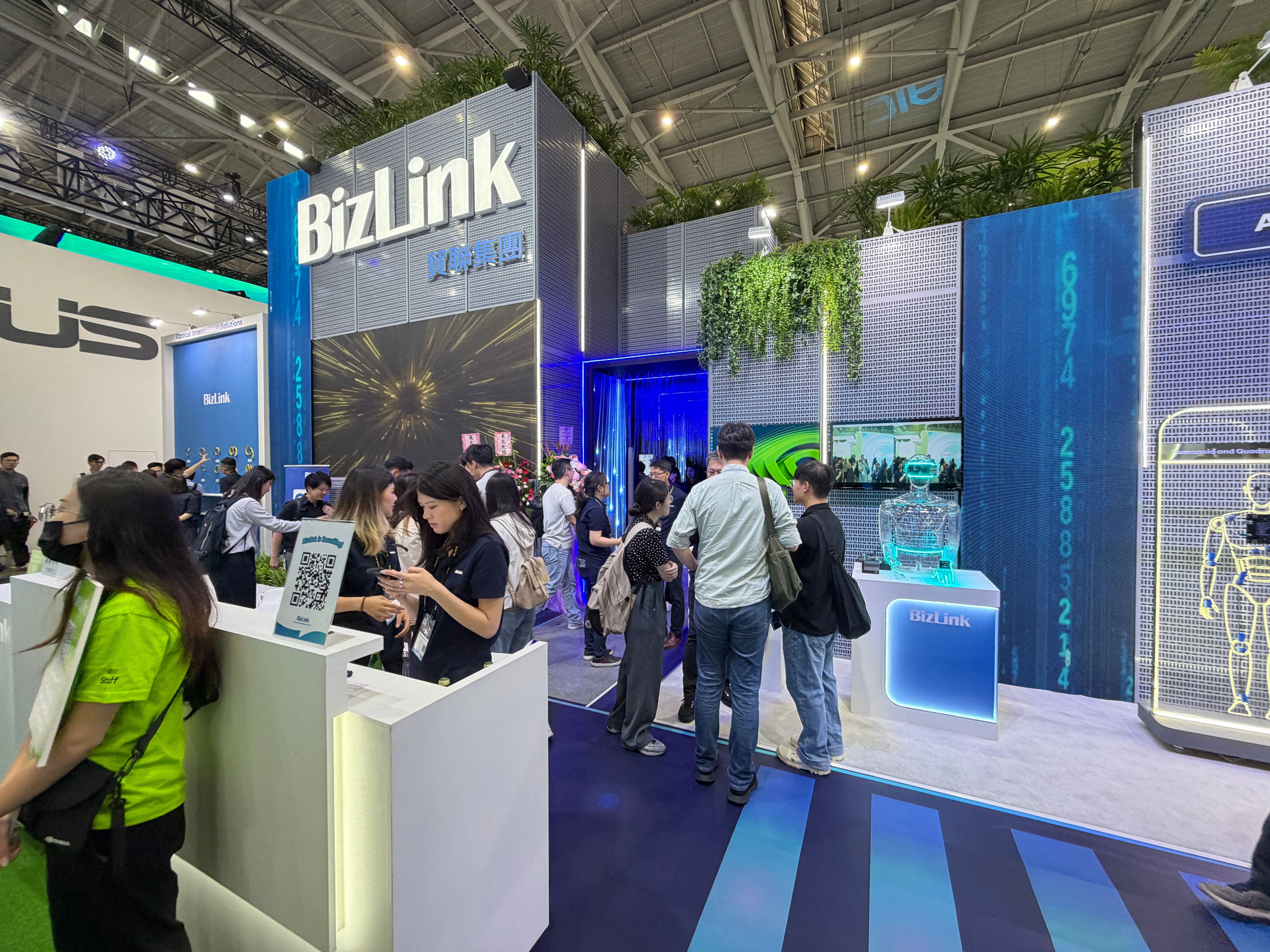
BizLink makes the cables and connectors that carry electricity and data through servers, industrial equipment, and vehicles. AI data centers now connect more processors and pack them into more powerful racks, which raises both the demands on those products and the value. The company is responding by expanding into power distribution, optical communications, and the mechanical structures that hold the equipment together.
Founded in 1996 and headquartered in Silicon Valley, the Taiwan-listed company has built a global manufacturing business around interconnect technology. In September, it completed the acquisition of Singapore-based Interplex Datacom at an enterprise value of US$850 million, plus up to US$50 million in contingent payments. The business, which had revenue of about US$392 million in the twelve months to March, adds precision metal fabrication and structural components for AI server racks, along with factories in China, Vietnam, Malaysia, and Thailand.
BizLink’s sales were growing before the deal closed and have accelerated since. Third-quarter revenue reached NT$27.85 billion (approximately US$849 million), up 19.6% from the previous quarter and 51.3% from a year earlier. October revenue then rose 80% year on year to a record NT$11.85 billion (US$361 million), the first month to include a full contribution from Interplex Datacom, against seven days in September. BizLink said demand remained strong from high-performance computing and semiconductor equipment customers.
More powerful racks require cables, connectors, and busbars, the conductive bars that distribute electricity, that can carry greater loads within limited space. Data center operators are also raising distribution voltage, because a higher voltage delivers the same power with less current, which limits electrical losses and the amount of copper required. At October’s Open Compute Project summit, BizLink showed 800-volt and 400-volt direct current connections for Nvidia MGX racks, alongside liquid-cooled designs.
BizLink’s also makes liquid-cooled housings for high-speed networking modules and leak-detection systems that identify where coolant has escaped, which extend its role into protecting and monitoring equipment as the technology becomes more widely used.
AI processors must exchange information rapidly to work together, creating demand for faster copper cables and optical connections. In September, BizLink announced a partnership with ams Osram to develop optical links that distribute data across many parallel, lower-speed channels, an approach intended to reduce power consumption and delays between interconnected processors. ams Osram provides the laser arrays, and BizLink contributes fiber assembly, optical packaging, testing, and manufacturing expertise.
Adding processors also requires better electrical distribution, communications and cooling. Suppliers that can engineer these functions together can sell more equipment into each installation and participate earlier in customers’ designs. BizLink is pursuing that opportunity through acquisitions and its own product development, with Interplex supplying rack structures and manufacturing capacity and the ams Osram partnership addressing the next generation of connections. Its aim is to supply a larger share of each AI rack as the engineering required to make one work becomes more demanding.
US$ conversions use an illustrative exchange rate of NT$32.8 per US$1.