



Red pandas to head to Taipei in municipal diplomacy move
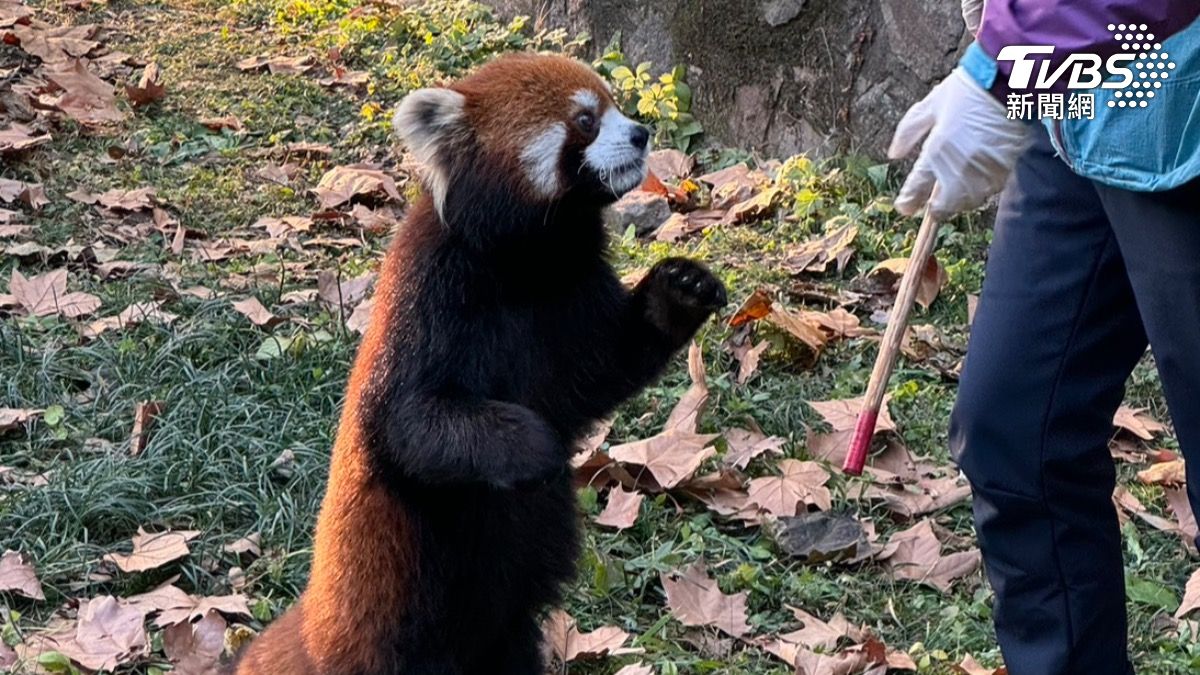
TAIPEI (TVBS News) — Shanghai Zoo staff introduced two red pandas to visiting Taipei officials Sunday (Dec. 28), explaining their dietary needs and tree-climbing habits — routine animal care that masks an extraordinary diplomatic achievement. Taipei and Shanghai finalized endangered species exchange agreements, despite frozen government-level ties between Taiwan and China. Mayor Chiang Wan-an (蔣萬安) inspected the animals at Shanghai Zoo (上海動物園) that afternoon on the sidelines of this year's Twin City Forum (雙城論壇), an annual exchange that demonstrates how municipal authorities can bypass political deadlock to address conservation priorities, such as preventing genetic narrowing in public zoos.
Municipal Diplomacy Builds on 2017 Zoo Agreements
Shanghai Zoo will send one male red panda, born in 2023, and one female, born in 2024, to Taipei Zoo in February 2026, with both animals currently in their juvenile stages of development. The animal conservation cooperation is a highlight of this year's forum, building on the two giant pandas — Tuan Tuan (團團) and Yuan Yuan (圓圓) — gifted by the People's Republic of China (PRC) to the Republic of China (ROC, Taiwan) in 2008 as part of a cultural exchange program. The cities will swap the pandas for two African penguins from Taipei Zoo, with both endangered species requiring breeding program coordination to maintain genetic diversity, Lin said.
The arrangement builds on 2017 conservation cooperation agreements between the zoos, representing a form of municipal diplomacy that continues despite the political tensions that freeze central government dialogue between Taiwan's ruling Democratic Progressive Party and Beijing. City-to-city animal exchanges enable conservation cooperation without requiring central government approval or political alignment. This differs from China's giant panda diplomacy, which operates at the national level as diplomatic gifts between governments, often tied to broader political objectives.
Financial details, including habitat construction costs, transportation expenses, and ongoing veterinary care budgets, were not disclosed by either city government. Neither Taipei nor Shanghai officials clarified which government bears primary financial responsibility or whether cost-sharing arrangements exist between the municipalities for the multi-year conservation program. The lack of transparency leaves questions about the full scope of public investment in the endangered species exchange.
Red Pandas Require Careful Adaptation Before Breeding
Zoo handlers explained that both red pandas require gradual adaptation to new environments, with sexual maturity typically occurring around the age of four to five years for the species. Tsao Hsien-shao (曹先紹), acting deputy director of Taipei Zoo (台北市立動物園), warned that environmental stress can prevent mating even during fertile periods, requiring carefully managed adaptation protocols before breeding programs begin. The species' sensitivity to environmental changes makes the transition period particularly critical for successful breeding outcomes.
The exchange awaits completion of quarantine procedures, though specific health certification requirements and inspection protocols from both sides have not been detailed. Taipei residents will name the red pandas upon their arrival at the zoo, although city officials have not yet announced the timeline, methodology, or details regarding public participation in the naming process. When the pandas finally arrive in February 2026, their daily routine — bamboo meals, tree climbing, gradual adaptation — will again mask the diplomatic achievement: conservation cooperation thriving where governments refuse to engage. ◼