



Ming Dynasty tradition guides Taiwan’s Lunar New Year
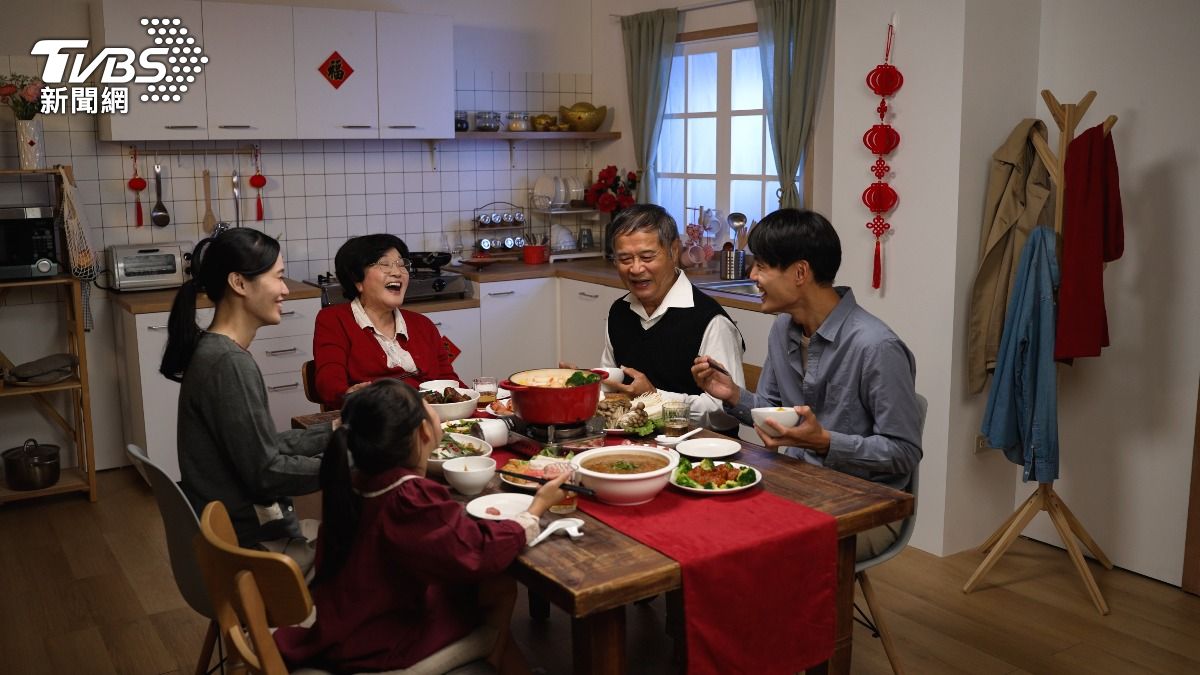
TAIPEI (TVBS News) — Wednesday (Feb. 18) marks the second day of the Lunar New Year, when daughters traditionally visit their parents' homes across Taiwan in a custom dating to the Ming Dynasty (明朝). This tradition, believed to have originated from a decree by the Hongwu (洪武) Emperor, Zhu Yuan-zhang (朱元璋), has evolved into a cherished cultural practice. Taiwan's modern era of gender equality has transformed this traditional practice into a flexible ritual with fewer restrictions.
Traditionally, daughters could not visit their parents on the first day of the Lunar New Year because it was believed to bring bad luck. Custom required daughters to bring oil if they returned home on that day, while visiting on the second day allowed families to balance filial duties with both natal and marital families. Traditional rules also prohibit daughters from napping, and families avoid household chores such as washing clothes, sweeping, and taking out the trash, as these activities are believed to harm the family's fortune.
Modern Taiwanese society has embraced more flexible practices regarding this tradition. Many families now allow their daughters to return home on Lunar New Year's Eve to avoid traffic congestion during the holiday. Working women see the New Year as an opportunity to relax and engage in activities they enjoy, while divorced women appreciate the freedom to stay home on the second day without facing traffic challenges.
This shift reflects broader acceptance in Taiwanese society of adaptable family dynamics. Progressive in-laws increasingly permit daughters-in-law to visit their parents on Lunar New Year's Eve or the first day, a practice once considered taboo. Taiwan's balance between tradition and modernity provides families with opportunities to create new customs while honoring the spirit of the Lunar New Year. ◼