



Computex 2026: Inside the Race to Power and Cool AI
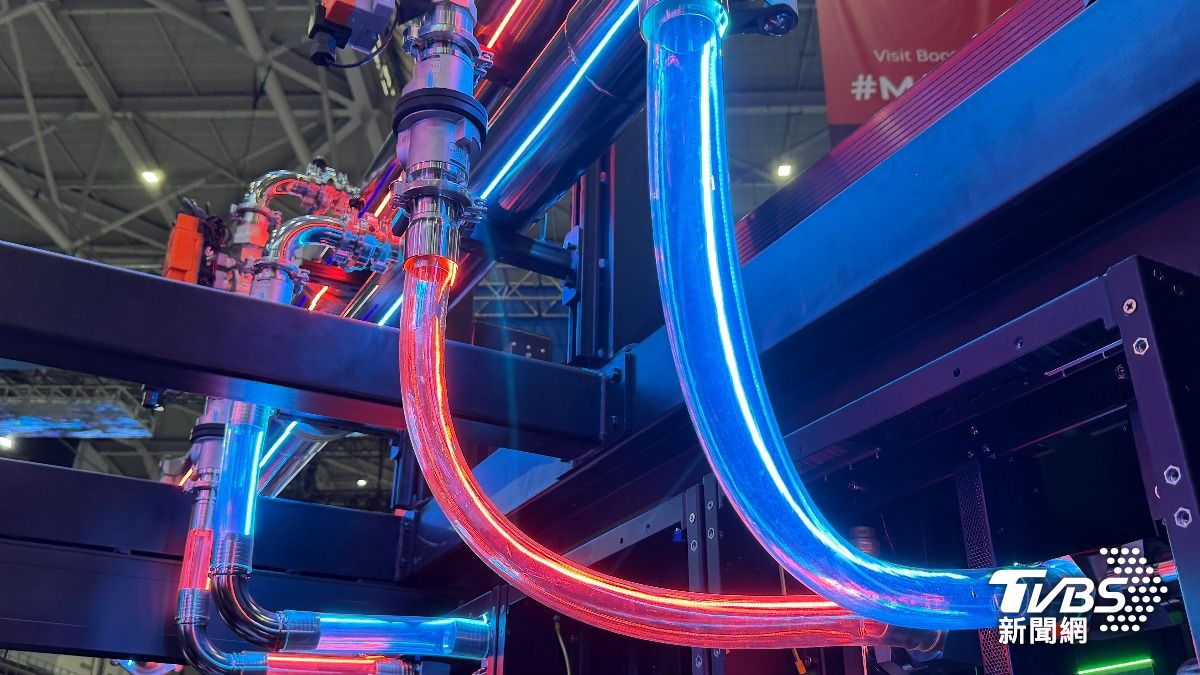
Some of the biggest crowds at Computex 2026 were not gathered around AI server racks but the liquid cooling and power delivery systems that keep them running. In a clear sign of how the AI boom is changing, the booths of Delta, Lite-On, Auras, Jentech, and other companies in the segment saw lines stretching through the aisles. For years, cooling pipes and power supplies were boring background parts that only mattered when something broke. Now they have become one of the main stories. As AI racks grow more powerful, delivering the electricity they demand and removing the heat they generate have become two of the toughest challenges in the data center.
A single modern AI rack can now consume close to one megawatt of power, roughly the same amount of electricity used by 2,000 household refrigerators. At that level, traditional air cooling simply cannot keep up. The heat generated by tightly packed processors has become too much for fans and airflow alone.
This has made liquid cooling essential. Among the highlighlights of the booth of Auras Technology, which expects 60-70% revenue growth in 2026, was a powerful all-in-one liquid cooler with dual pumps and large radiators at its Computex booth. Aewin demonstrated two-phase liquid cooling that can remove twice as much heat while using less electricity. Lite-On drew crowds with a 280-kilowatt coolant distribution unit built specifically for Nvidia’s powerful Vera Rubin systems. At these extreme densities, a data center can only run as many chips as it can keep cool.
Power delivery faces the same pressure. To feed a one-megawatt rack without wasting energy or filling the space with thick copper cables, the industry is moving to 800-volt direct current (HVDC).
Delta Electronics is a leader in driving this transition. Its new PowerCycle system uses advanced solid-state transformers to convert grid power efficiently and deliver it at 800 volts. The company claims efficiencies as high as 98.5%. Lite-On showcased a full liquid-cooled 800-volt power rack designed for Nvidia’s platforms, while Texas Instruments demonstrated technology that converts 800 volts straight down to the low voltages processors actually need.
These changes matter because higher voltage means lower current. Lower current reduces heat, cuts energy waste, and allows more power to flow through smaller cables.
The shift touches every part of the system. Companies like Infineon highlighted new silicon carbide and gallium nitride materials needed for these higher voltages. Texas Instruments showed “vertical power delivery,” which sends electricity straight up through the circuit board to save space and reduce losses.
As one executive noted, rack power has jumped from 10-20 kilowatts a few years ago to 150-200 kilowatts today, and is heading toward one megawatt. That fiftyfold increase in just five years means almost everything in the data center needs to be redesigned.
For decades, cooling and power were almost afterthoughts. At Computex 2026 they were front-and-center constraints on how fast the AI industry can grow. A data center can only run as many chips as it can reliably power and cool, and the crowds pressing into the booths of these companies showed that everyone building AI infrastructure now understands this.