



Taiwan minister: Net-zero path matters beyond our borders
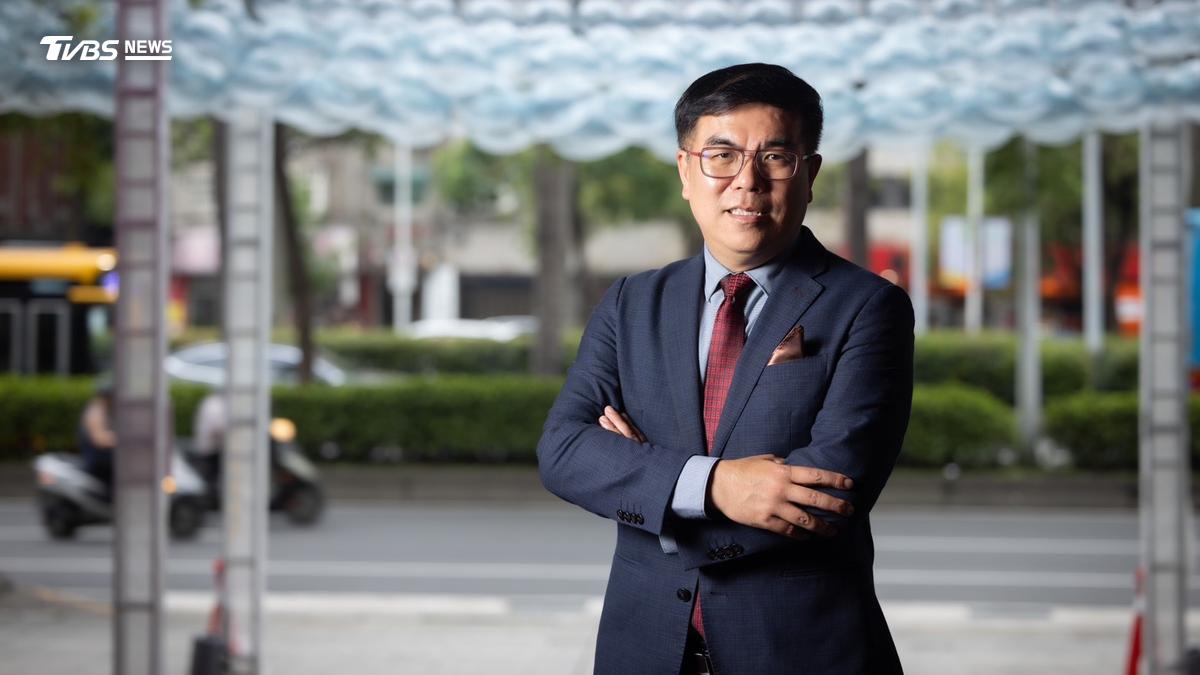
TAIPEI (TVBS News) — Taiwan's environment minister outlined the island's circular economy vision on Thursday (Nov. 12), linking industrial decarbonization to everyday consumer behavior as COP31 elevates "zero waste" to a priority agenda item in Türkiye.
In an interview, Environment Minister Peng Chi-ming (彭啟明) framed Taiwan's net-zero transition as a matter of global consequence. The island's role in manufacturing AI servers and semiconductors, he argued, gives international partners a stake in its decarbonization success.
"Taiwan is at the heart of the global AI supply chain," Peng said in an interview from Taipei as delegates gathered in Antalya, Türkiye, for the climate summit. "That means Taiwan's path to net zero matters far beyond our borders."
The minister's remarks came as Taiwan announced its first quantified national circular economy targets. By 2050, the government aims to double resource productivity, reduce per-capita material consumption by 35 percent, and increase the input-side circular utilization rate by 2.5 times from a 2020 baseline.
Taiwan's carbon fee system, more than a decade in the making, completed its first collection cycle this year, with companies making their first payments after the system took effect in 2025.
"For us, the measure of success is not how much carbon fee revenue the government collects, but how much emissions reduction businesses actually achieve," Peng said. Companies with approved reduction plans can qualify for preferential rates.
The minister illustrated circular economy principles reaching consumers through a reuse program at Taipei's Jianguo Holiday Flower Market (建國假日花市). The "Bag & Box Reuse" (袋袋箱傳) platform connects surplus bags from businesses and communities with shoppers, and nearly 60 percent of shoppers now bring their own bags, according to the ministry.
"This is a practical service-design solution, not just a recycling message," Peng said.
The circular economy push extends to product safety. Improper disposal of lithium-ion batteries poses fire risks to sanitation workers, Peng noted, adding that circularity must be built into a product's entire life cycle.
Taiwan's newly revised Resource Circulation Promotion Act (資源循環推動法) aligns the island's policies with European Union frameworks, including extended producer responsibility and digital product passport principles.
Peng also emphasized a scientific approach to urban greening, calling urban shade "long-term public infrastructure, not a one-day planting event."
Taiwan's net emissions have declined for four consecutive years since 2021. The ministry estimates 2025 emissions fell 8.7 percent below the 2005 baseline, though Peng acknowledged this fell roughly 10 percent short of the target.
Taiwan ranked 59th out of 65 countries in the Climate Change Performance Index released Wednesday. The ministry has disputed the index's methodology.
"A successful transition must include our traditional industries," Peng said. "We cannot leave them behind." ◼