



Taiwan tech weekly roundup: AI growth broadens as Huang exits Nvidia
Jensen Huang’s resignation overshadowed a week of strong results from Taiwan’s technology companies, but the figures revealed an industry whose AI business is becoming broader and more diverse. Nvidia-based servers remain a major source of growth, while systems built around customers’ own processors are gaining momentum. PCB, cooling, testing, and cable suppliers are benefiting from both. PCs face a different outlook as rising component costs discourage purchases.
The scale of the AI-driven expansion was clear in October’s exports, which rose 58.9% year on year to a record US$96.76 billion. Quanta’s third-quarter revenue increased 125.2% to NT$1.12 trillion (about US$34.1 billion), while Wistron’s more than doubled to approximately NT$1.15 trillion (US$35.1 billion). Both reported substantial profit growth.
Nvidia’s NVL72 racks, which connect 72 GPUs into a single computing system, are raising the value and complexity of manufacturers’ deliveries. Quanta expects fourth-quarter AI server revenue to increase even if rack shipments decline slightly during the transition from GB300 to Vera Rubin. Higher prices for the new systems should offset lower volumes, with larger Rubin shipments expected in early 2027.
Custom processors are becoming increasingly important alongside Nvidia’s platforms. Wiwynn attributed its record third-quarter revenue of NT$434.62 billion (US$13.3 billion), up 62.9%, partly to faster shipments of servers using Amazon’s Trainium 3 and other custom chips. These application-specific integrated circuits, or ASICs, allow cloud operators to tailor computing to particular workloads. For Taiwan manufacturers, their adoption creates additional orders even as competition intensifies for Nvidia.
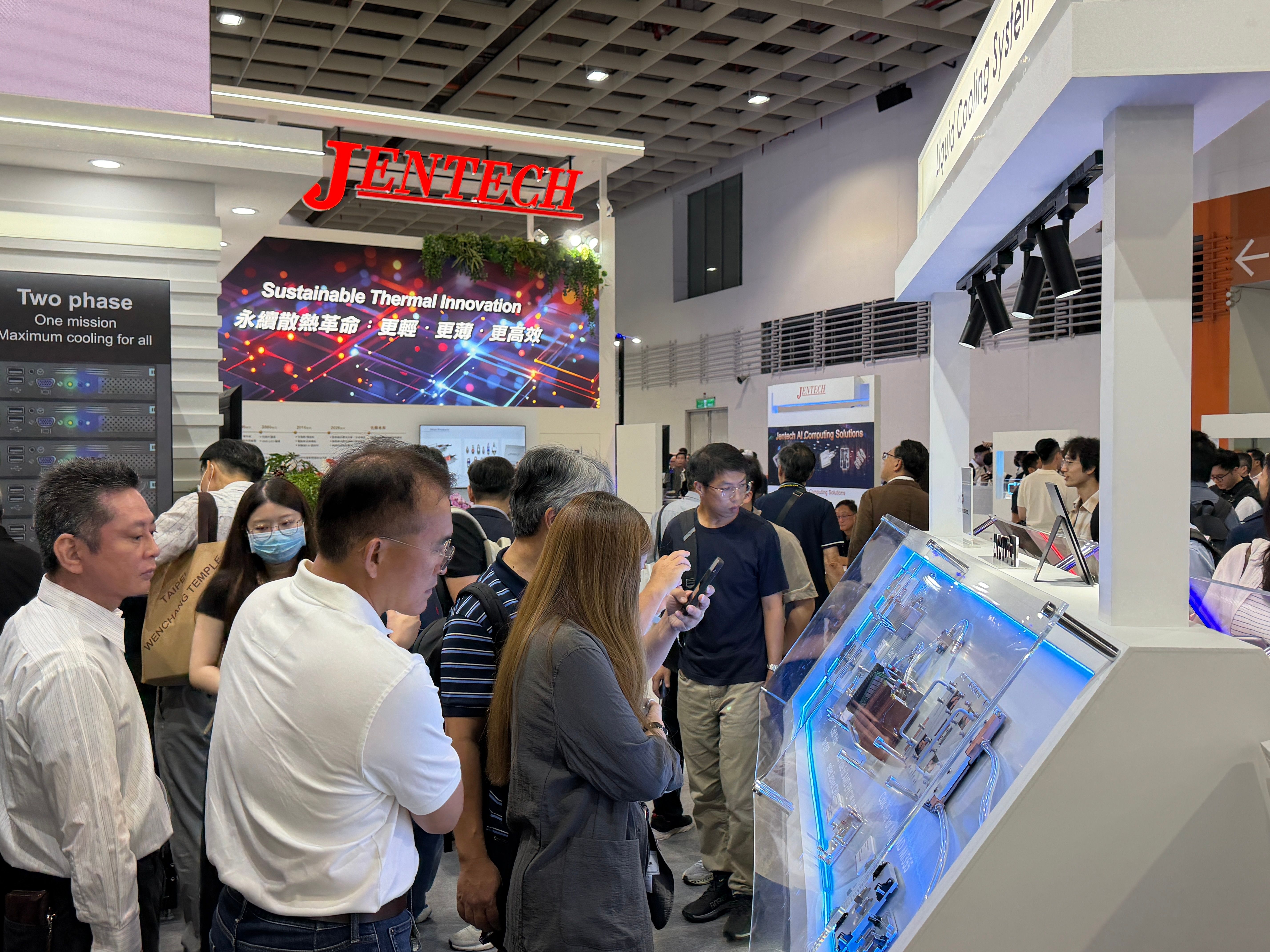
The gains extend through the components needed to make those systems work. PCB producer Zhen Ding’s October revenue rose 40% to NT$27.20 billion (US$829 million), supported by smartphones and its growing AI infrastructure business. AVC’s third-quarter sales increased 51.8%, while Sunon and Jentech grew 24.5% and approximately 87%. AVC expects ASIC-related revenue to exceed GPU-related revenue in 2027, showing how the shift in processors is reaching cooling suppliers.
More demanding chips also require better testing and faster data links. WinWay reported record third-quarter profit as demand increased for its test sockets and temperature-control equipment. Cable and connector supplier BizLink’s quarterly revenue rose 51.3%; its October growth accelerated to 80%, helped by the acquisition of Interplex Datacom.
The PC outlook is considerably weaker. Quanta expects another decline in notebook shipments in 2027 and warned that expensive memory will continue to burden consumer products. Asus forecasts a 10–15% contraction in the global PC market next year and says it can no longer pass all memory-cost increases on to buyers. Higher DRAM and other component prices are squeezing margins while making replacement computers harder to afford.
Jensen Huang’s exit should have limited immediate effects on production already supported by orders and deployment schedules. The longer-term question is whether Nvidia can maintain its product cadence and coordinate increasingly complex systems without him. Taiwan’s manufacturers remain exposed to that execution risk, but growing ASIC orders mean their AI prospects increasingly depend on several competing platforms rather than Nvidia alone.
US$ conversions use an illustrative exchange rate of NT$32.8 per US$1.