



Nvidia backs SPIL’s expansion as AI packaging demand surges
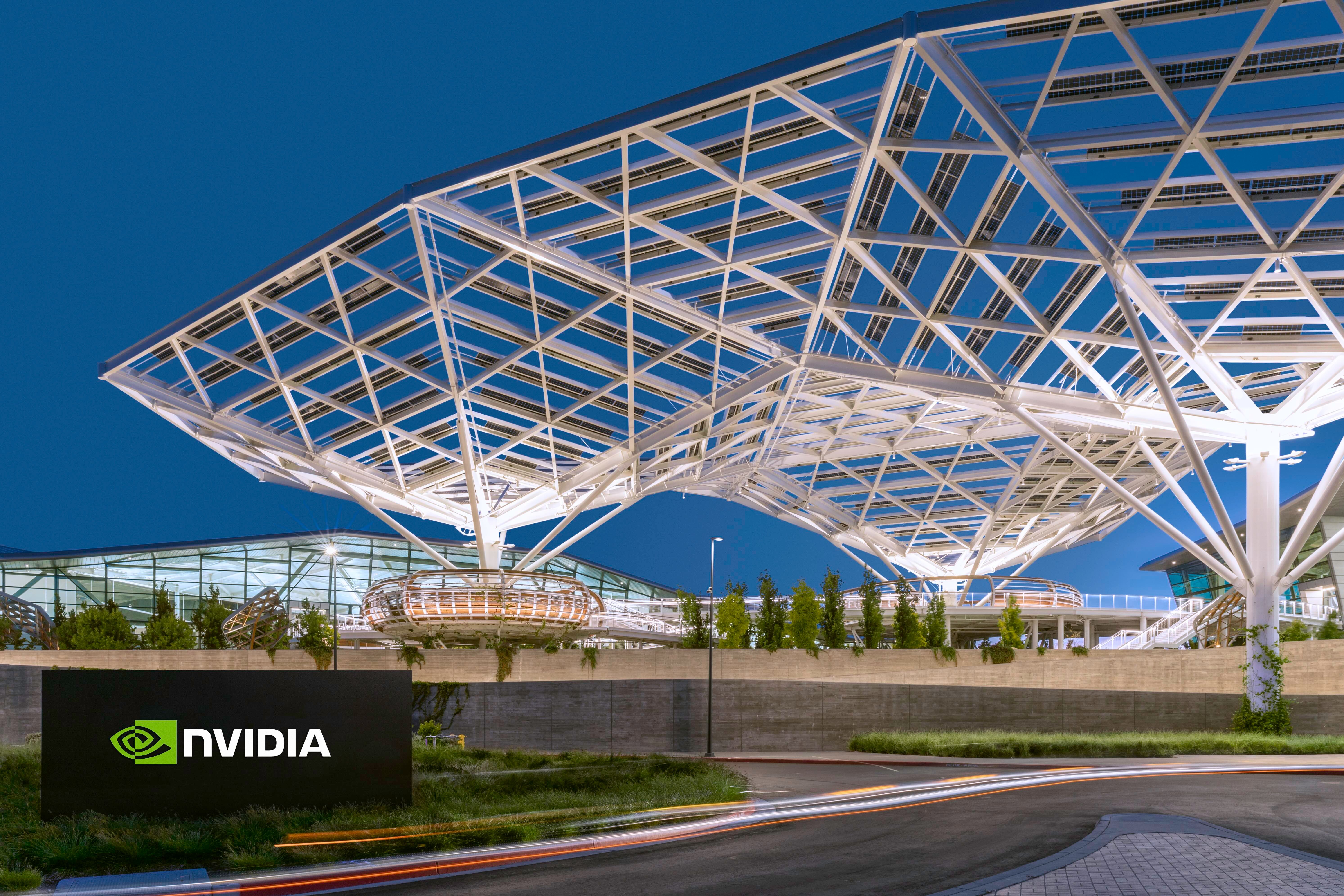
Siliconware Precision Industries, better known as SPIL, has secured multibillion-dollar backing from Nvidia to expand advanced chip packaging in Taiwan. The Taichung-based packaging and testing specialist announced the agreement on November 18, targeting a tripling of the advanced packaging capacity covered by the partnership by mid-2029. For Nvidia, the commitment helps secure manufacturing resources needed to turn increasingly complex AI chips into finished products.
Advanced packaging connects processors and high-bandwidth memory within a single package, allowing large amounts of data to move quickly between them. Those connections influence computing performance, power consumption, and memory bandwidth. As AI chip designs become larger and more demanding, packaging capacity has become essential to increasing shipments.
The agreement covers more than final assembly. Nvidia says the expansion includes wafer bumping, which forms tiny electrical contacts, and the fabrication of interposer wafers, which provides dense connections between chips, as well as assembly; and testing. SPIL will also upgrade facilities and increase automation. Providing these steps together gives it responsibility for more of the manufacturing process behind each finished package.
SPIL was founded in May 1984 and listed on the Taiwan Stock Exchange in 1993. It grew into a major supplier of outsourced semiconductor packaging and testing for chip designers, integrated device manufacturers, and foundries. In April 2018, SPIL and Advanced Semiconductor Engineering became wholly owned subsidiaries of the newly established ASE Technology Holding, with SPIL keeping its corporate identity and manufacturing operations.
SPIL’s results are consolidated into the parent’s accounts. ASE Technology Holding’s reported third-quarter 2026 revenue of NT$244.16 billion (approximately US$7.44 billion), up 44.8% year on year. Net profit attributable to shareholders rose 148% to NT$27 billion (US$823 million), with earnings per share of NT$6.13. These figures cover the wider group, including electronics manufacturing, as well as SPIL.
The group has raised its 2026 capital-expenditure budget to US$11.5 billion. Its domestic expansion combines new construction with purchases of existing factories, reflecting the need to secure production space as well as equipment. Nvidia’s funding gives SPIL additional support for a program tied directly to a major customer’s future requirements.
The relationship also extends into co-packaged optics, or CPO, which places optical connections close to networking chips. An October announcement targeted a fifteenfold increase in SPIL’s optical-engine capacity by mid-2027, with another doubling planned by the end of 2028. That expansion is separate from the latest agreement.
Together, the commitments give SPIL a larger role in assembling both AI processors and the optical systems connecting them. They also show Nvidia moving beyond placing orders to helping finance the factories and equipment needed to fulfil them.
US$ conversions use an illustrative exchange rate of NT$32.8 per US$1.