



PC makers face a squeeze as AI spending takes priority
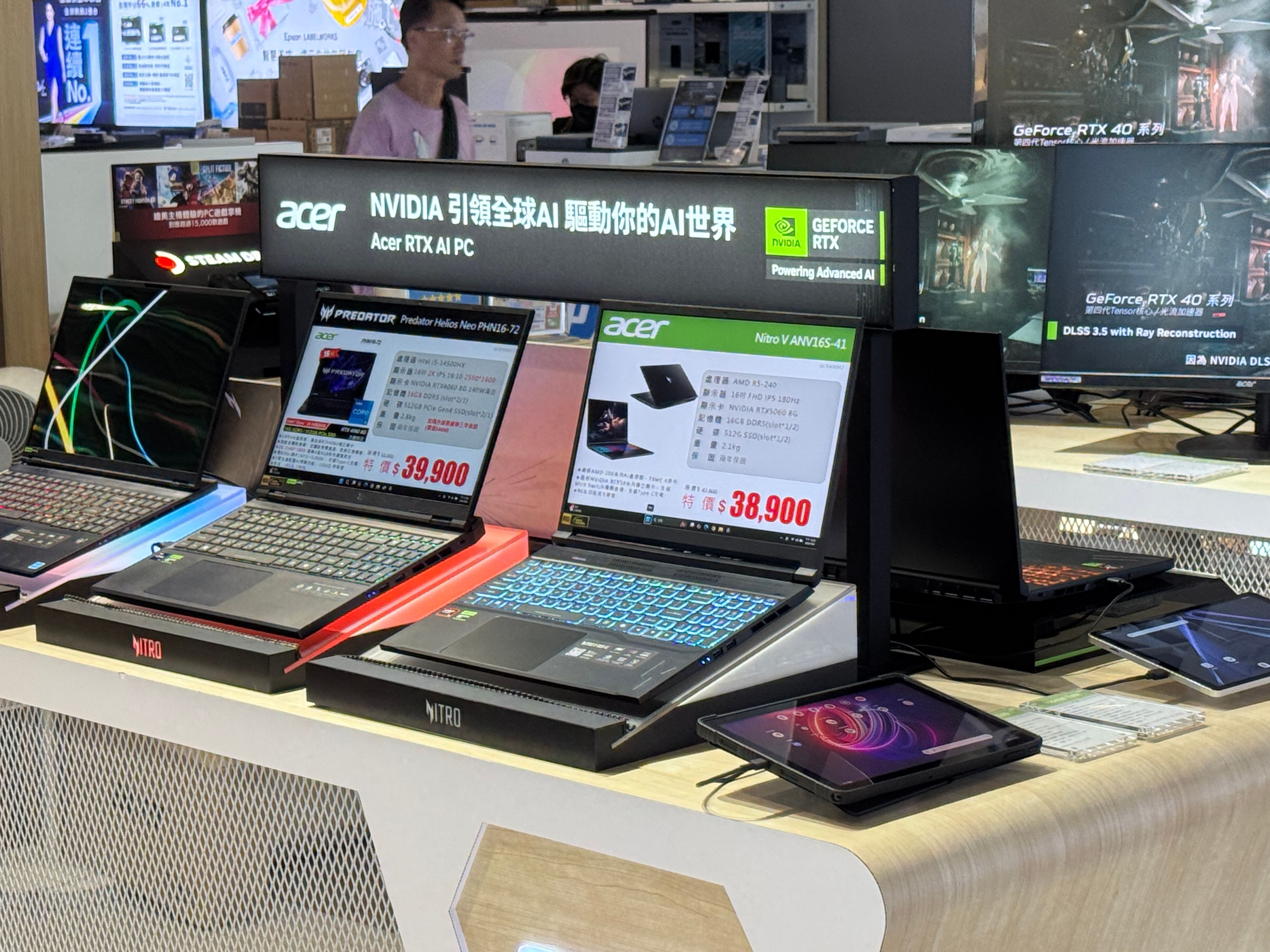
PC makers are selling fewer computers at higher prices to customers in no hurry to replace them. This week’s results from HP and Dell, together with comments from Taiwan’s Acer, suggest that those prices are masking a weaker market heading into 2027.
HP’s November 24 results illustrate the divide. Its Personal Systems business generated US$11.8 billion in quarterly revenue, up 14 percent from a year earlier, on unit shipments that fell 29 percent. Commercial revenue rose 23 percent, and consumer revenue declined 7 percent. The division’s operating margin dropped to 3 percent from 5.8 percent a year earlier. More expensive machines lifted revenue but failed to protect profit.
Memory and storage costs explain much of the pressure. HP Chief Financial Officer Karen Parkhill said they approached 40 percent of PC component costs in the fourth quarter, compared with 15 percent to 18 percent at the start of the fiscal year. The company expects global PC shipments to fall by a high-single-digit to low-double-digit percentage in calendar 2027.
Investment bank analysts pressed HP on the resulting trade-off. Morgan Stanley’s Erik Woodring asked whether it would protect profitability through higher prices or cut prices to revive demand. Parkhill said price increases would remain a last resort after other cost measures. Barclays and Bank of America raised their price targets after the results but kept their negative ratings.
Dell described a second constraint, which is competition for corporate technology budgets. Responding to UBS analyst David Vogt, Chief Operating Officer Jeff Clarke said companies were deferring PC purchases to make sure they could fund AI infrastructure. Dell’s client revenue rose just 3 percent to US$12.9 billion, and operating income fell 6 percent. A booming infrastructure business cushions the company but offers little reassurance about demand for desktop and notebook computers.
Acer has flagged a third pressure, which is inventory. After its group investor conference on November 24, Chairman and CEO Jason Chen said inventory of roughly US$3.5 billion made him uncomfortable and that the company was reducing its exposure. Buying components early protects against shortages and price increases, but holding too much becomes costly when customers postpone purchases or component prices change direction. Chen stressed that conditions differ across memory categories.
AI PCs remain a possible source of higher-value sales. HP said they represented nearly 60 percent of its quarterly shipments. That share was reached in a quarter when its volumes fell by almost a third.
The AI boom is pressing on the PC from two directions. It has pushed up the cost of memory and storage and claimed the corporate budgets that would have paid for new computers. For PC makers, a recovery depends on lower component costs and AI applications that run on the system itself, giving buyers a reason to upgrade.