



Taiwan PCB industry sees 6.1% growth in 2024
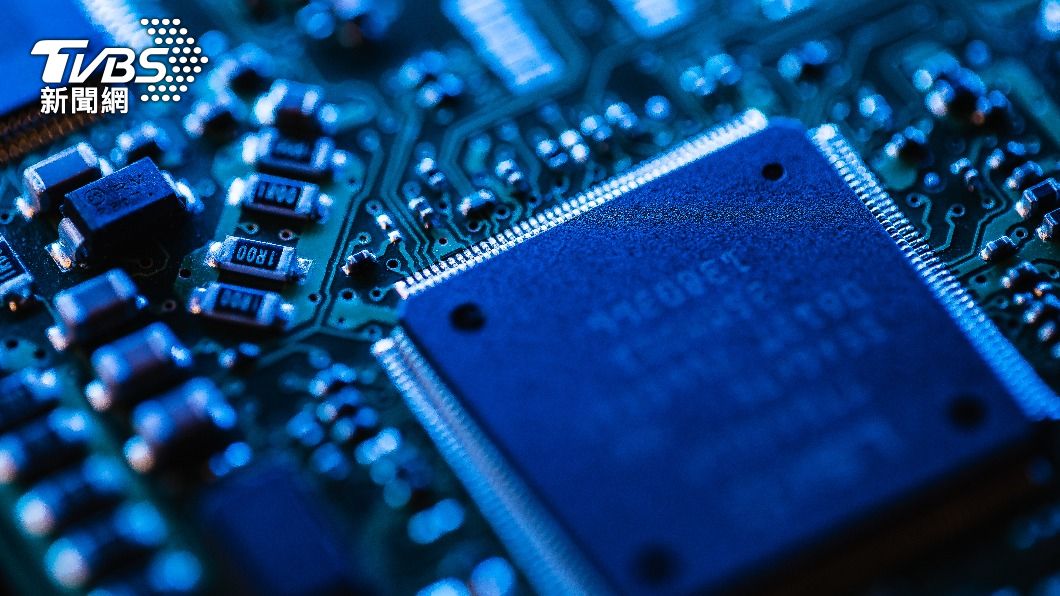
TAIPEI (TVBS News) — The Taiwan Printed Circuit Association (TPCA, 台灣電路板協會) reported a robust performance in 2024 across the printed circuit board (PCB) industries, achieving a total production value of NT$816.8 billion, marking a 6.1% annual growth. In the fourth quarter of 2024, the global production value of Taiwanese PCB companies reached NT$217.5 billion, a 2.8% year-on-year increase.
TPCA highlighted that AI servers and satellite communications were the primary growth drivers, significantly boosting the demand for high-density interconnect (HDI) boards. The association forecasted that the industry's production value will grow by 4.6% in 2025, reaching NT$854.1 billion, as AI and satellite communication need to expand further.
Despite the first quarter of 2025 being a traditional off-season for consumer spending, TPCA expressed the expectation of moderate growth of 2.6% with the industry reaching NT$186.2 billion, anticipating AI servers and satellite communications to sustain this momentum. Furthermore, TPCA added that the value of server PCBs in Taiwan was approximately NT$50.9 billion, a 49% increase, while satellite PCBs saw an 83% rise to NT$19.3 billion.
Multilayer boards and HDI boards experienced a rise in demand, 30.5% and 20.1% in each, driven by AI servers, automotive electronics, and satellite communications, according to the TPCA's report. Moreover, TPCA noted that while Integrated Circuit substrate (IC) industries saw slower growth due to market fluctuations, the rapid spread of AI applications presents a promising growth opportunity.
TPCA counted, In 2024, the PCB applications were predominant, accounting for 34.2% of communications, 22.5% of computers, and 15.5% seen in semiconductors