


Taiwan eyes U.S. investment to tackle tariff issues
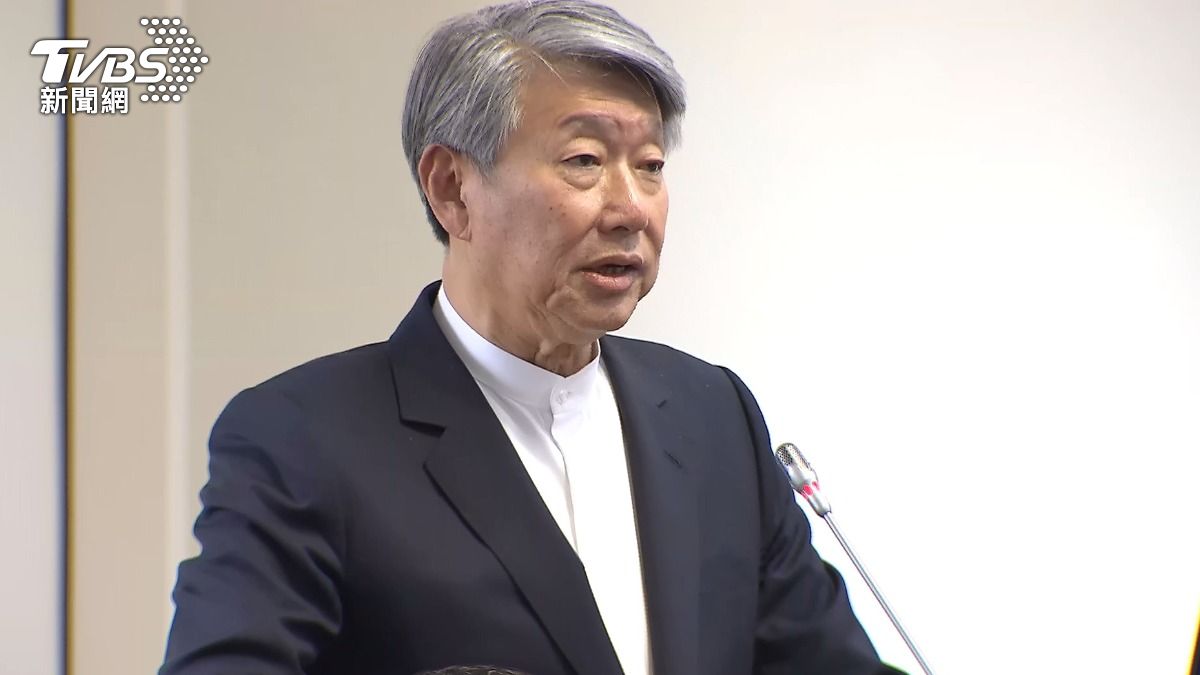
TAIPEI (TVBS News) — Taiwan could leverage substantial American investments and increased procurement of U.S. goods as key bargaining chips in upcoming tariff negotiations, the island's top economic official suggested Friday (April 11). Economic Minister J.W. Kuo (郭智輝), who oversees Taiwan's industrial and trade policies, outlined potential counter-strategies during a closely watched parliamentary session where Premier Cho Jung-tai (卓榮泰), the head of Taiwan's cabinet, and other senior officials presented their coordinated approach to addressing Washington's recent trade measures.
The economic minister revealed that his team has earmarked a substantial US$200 billion in potential economic resources to deploy strategically during the upcoming discussions with American trade representatives. Adopting the measured tone of an experienced negotiator, Kuo advocated for a carefully calibrated approach that preserves Taiwan's tactical flexibility. The logic of showing all cards first is wrong, he cautioned lawmakers, recommending instead a phased strategy that begins with an opening proposal to assess American reactions before unveiling more substantive concessions or demands.
Taiwan's main opposition party, the Kuomintang (KMT, 國民黨), has pressed the administration to more than double its industrial support package from NT$88 billion (approximately US$2.7 billion) to NT$200 billion (about US$6.1 billion). Responding to these demands, Minister Kuo characterized the current allocation as just the initial stage of a potentially larger response. He acknowledged that while formal talks with Washington haven't commenced, the preliminary 10 percent tariff already imposed on Taiwanese exports could necessitate additional countermeasures, potentially requiring swift parliamentary authorization for policy or budgetary adjustments.
The economic minister also tackled concerns about Washington's punitive duties on Chinese imports, which have reached significantly higher levels than those facing Taiwanese products. Kuo outlined ongoing government efforts to identify sectors vulnerable to "origin washing" — the illegal practice of disguising Chinese-made goods as Taiwanese to evade American tariffs. Officials have initiated proactive communications with manufacturing sectors to ensure compliance with international trade rules and to implement corrective measures before potential violations attract unwanted scrutiny from U.S. customs authorities. ★