



Taiwan hospital pioneers breakthrough eczema treatment
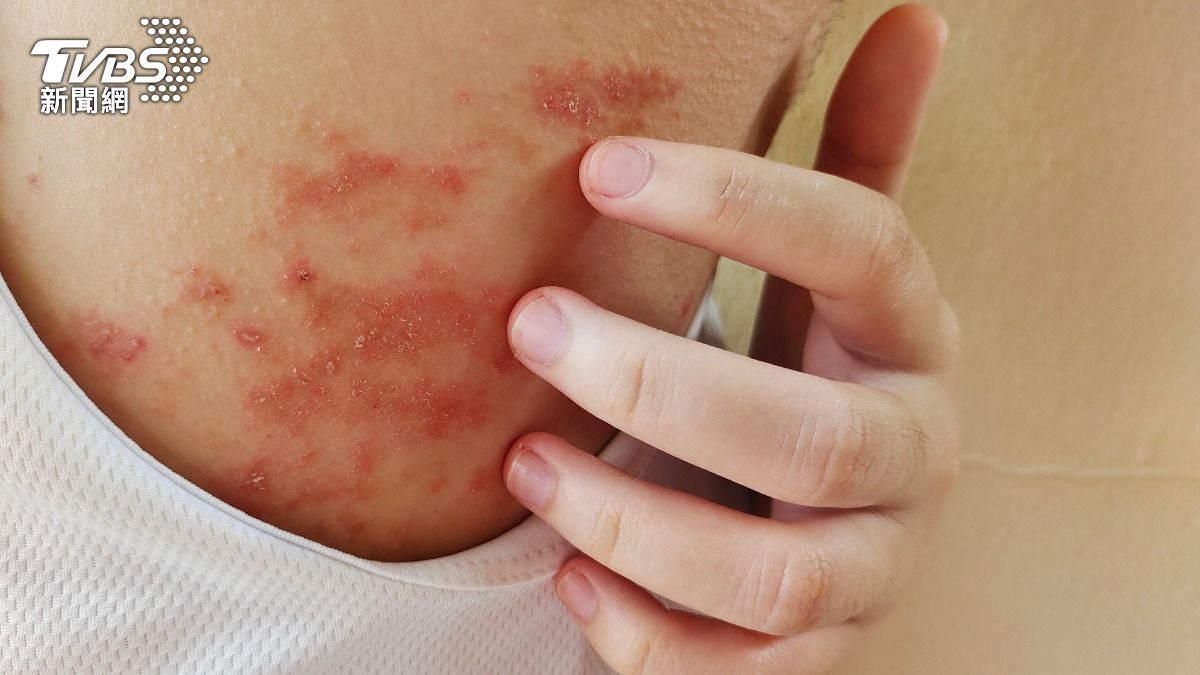
TAIPEI (TVBS News) — A major medical center in southern Taiwan has unveiled what experts are calling a breakthrough in treating one of the most persistent skin conditions affecting millions worldwide. Kaohsiung Medical University Chung-Ho Memorial Hospital (高雄醫學大學附設中和紀念醫院) announced on Thursday (June 19) a comprehensive treatment protocol for atopic dermatitis that integrates multiple therapeutic approaches. The innovative regimen combines specialized bleach baths with wet wrap therapy, targeted phototherapy sessions, conventional topical and oral medications, cutting-edge biological treatments, and the latest small-molecule pharmaceutical interventions.
The hospital's vice president, Dr. Chen Fang-ming (陳芳銘), underscored the lifelong burden that atopic dermatitis places on patients, noting that the condition typically manifests during the earliest stages of life. Medical data shows the overwhelming majority of cases — approximately 80 percent — develop before children reach their fifth birthday, creating ripple effects that disrupt not only the patients' quality of life but also the emotional well-being of entire families. The treatment protocol's effectiveness was illustrated through the case of a local student with the surname Lin, who had struggled with moderate to severe atopic dermatitis but experienced dramatic reduction in the debilitating itching symptoms after just one to two months of the integrated therapy.
The personalized nature of the treatment approach was emphasized by Dr. Lan Cheng-che (藍政哲), who leads the hospital's dermatology department. He explained that their medical team develops customized therapeutic regimens based on each patient's specific manifestation of the condition and medical history. The medical center has invested in specialized infrastructure to support these treatments, becoming the first institution in Taiwan to install dedicated bleach bath and hydrotherapy equipment. Dr. Wang Hui-ching (王暉景), a dermatology specialist at the hospital, provided context on the condition's underlying causes, describing atopic dermatitis as a complex chronic allergic skin disorder that emerges from an interplay of genetic factors, environmental triggers, and fundamental imbalances in the immune system.
Medical professionals at the center stressed the importance of timely intervention, with Dr. Wang advising patients to seek specialized care at the first signs of persistent skin abnormalities rather than attempting self-treatment, which can often exacerbate the condition. She emphasized that contrary to common misconceptions, atopic dermatitis is not exclusively a pediatric condition but persists into or can develop during adulthood in many cases. The dermatologist also highlighted the interconnected nature of allergic disorders, noting that patients with atopic dermatitis frequently develop related conditions such as asthma and allergic rhinitis (hay fever), underscoring the need for comprehensive medical management of these interlinked immunological responses. ◼