



Taiwan political tensions rise over recall vote
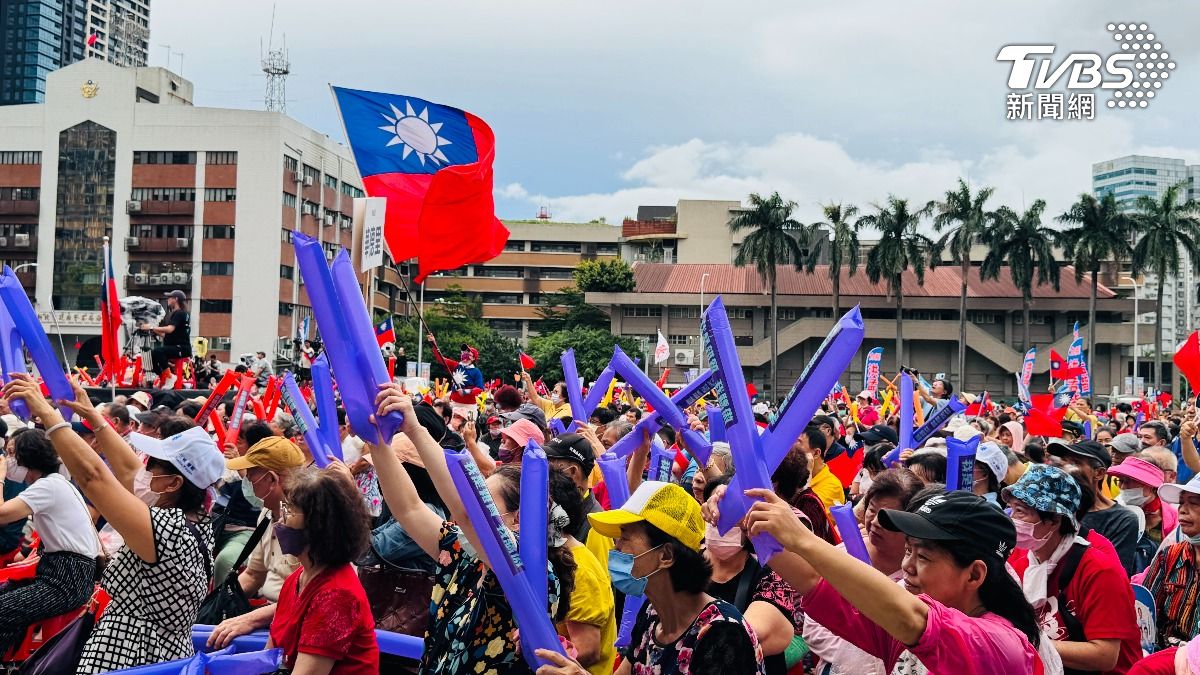
TAIPEI (TVBS News) — Kuomintang (KMT, 國民黨) Chairman Eric Chu (朱立倫) launched sharp criticism against United Microelectronics Corporation (聯電) Founder Robert Tsao (曹興誠) during a party meeting Wednesday (July 23). Chu accused the semiconductor industry veteran of previously supporting cross-strait unification, then obtaining Singaporean citizenship, and now returning to Taiwan to advocate for independence. The attack reflects deepening political tensions as Taiwan grapples with questions of national identity and cross-strait relations.
The head of Taiwan's main opposition party emphasized that despite ideological differences between the ruling Democratic Progressive Party (DPP, 民進黨) and the KMT, both parties remain committed to freedom and democracy. He urged the DPP to reflect on its founding principles while stressing the critical importance of the upcoming Saturday recall vote. The KMT chairman appealed to blue KMT supporters, green DPP supporters, white Taiwan People's Party supporters, and centrist voters to unite in opposing the recall effort.
President and DPP Chairman Lai Ching-te (賴清德) presided over his party's meeting, expressing gratitude to civic groups and citizens for defending Taiwan's democratic institutions and freedoms. The president lamented opposition parties' failure to address legitimate public concerns, criticizing their resort to smear tactics against the recall movement and attacks on civil society organizations. His remarks highlighted the growing polarization surrounding the controversial recall effort and its impact on Taiwan's political landscape.
Lai emphasized the DPP's historical mission to dismantle authoritarianism and strengthen democratic governance since the party's founding during Taiwan's martial law period. The president described Taiwan as a beacon of democracy throughout the Indo-Pacific region, widely admired for its democratic achievements and peaceful transition from military rule. He urged all citizens to continue safeguarding the island's hard-won freedoms and democratic institutions against emerging threats. ◼